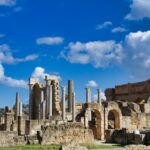
Safety Notice: The US Department of State rates Libya Level 4, Do Not Travel, and the UK FCDO advises against all travel to most of the country. Many places below are in areas covered by these warnings, so this guide describes them as destinations of interest and does not recommend travel. Check the US advisory and UK FCDO advice first.
What Are the Best Places to Visit in Libya?
Libya’s best-known places are its Roman and Greek ruins at Leptis Magna, Sabratha and Cyrene, the desert old town of Ghadames and the rock-art valleys of Tadrart Acacus. Most visits focus on the west and the coast. Access depends on security conditions, so confirm everything with an official source and a licensed operator.
Last checked: November 2026
Five Libyan sites are on the UNESCO World Heritage List: Cyrene, Leptis Magna and Sabratha (inscribed 1982), Tadrart Acacus (1985) and the Old Town of Ghadames (1986). UNESCO placed all five on its List of World Heritage in Danger in 2016 because of conflict and instability, so check the UNESCO announcement and the current listing for each site’s status.
Historic Sites
Leptis Magna
Why visit: It is widely described as one of the best-preserved Roman cities in the Mediterranean, enlarged under the emperor Septimius Severus, who was born there. Main attractions: the Severan arch, the forum, the basilica, the theatre and the Roman baths. Time needed: half a day to a full day. Best for: history and archaeology enthusiasts. Access: the site lies near Al Khums on the coast east of Tripoli; confirm opening arrangements through your operator.
Sabratha
Why visit: A Phoenician trading post later rebuilt by Rome, Sabratha stands on the coast west of Tripoli. Main attractions: its seafront Roman theatre, the temples and the Punic mausoleum. Time needed: two to four hours. Best for: travellers who want a shorter ruin visit near the capital. Access: subject to local security conditions, so check before any plans.
Cyrene
Why visit: A Greek colony founded around 630 BCE, Cyrene became a major centre of learning and art in the classical world. Main attractions: the Temple of Apollo, the agora and the museum at Shahhat. Time needed: half a day. Best for: visitors interested in Greek history. Access: it lies in eastern Libya, where the UK advises against all travel in many areas; confirm status first.
Desert and Natural Wonders
Old Town of Ghadames
Why visit: Often called the pearl of the desert, this oasis town near the Algerian and Tunisian borders is known for traditional mud-brick houses and shaded covered passages. Time needed: one to two days. Best for: architecture and culture lovers. Access: remote, with border-area restrictions, so travel is only realistic through an approved operator.
Tadrart Acacus
Why visit: This Saharan mountain area holds rock paintings and engravings spanning thousands of years, from around 12,000 BCE to the first century CE according to UNESCO-related reports. Time needed: multi-day desert expeditions. Best for: experienced desert and archaeology travellers. Access: the south has particular risks, including landmines and banditry in some areas according to government advice.
Beaches and Coast
Libya has about 1,770 kilometres of Mediterranean shoreline, but beach tourism is not developed and local families often prefer countryside picnics. Some stretches near Tripoli and the eastern coast are popular with residents. The sea is generally warm enough for swimming between July and October. Facilities are limited and security conditions vary, so this is a niche option rather than a resort destination.
Major Cities
Tripoli
The capital combines an old medina, Ottoman-era mosques, an Italian colonial seafront and a large museum on the coast. Time needed: one to two days. Best for: first-time visitors interested in layered history. The UK advises against all but essential travel to Tripoli, so read the latest advice before any decision.
Benghazi and Misrata
Benghazi is the main city of the east, and Misrata is a commercial port with a strong regional identity. Both are shaped by recent conflict and rebuilding. They are better understood as places to learn about modern Libya than as conventional tourist stops, and the UK advises against all but essential travel to each.
Cultural and Food Destinations
Cultural interest in Libya centres on the Amazigh towns of the Nafusa Mountains, traditional markets in Tripoli’s medina and the Tuareg and Tebu communities of the south. For food, Tripoli’s restaurants and home-style kitchens are the usual places to try bazin, asida, shorba and mbakbaka. See the Libya country overview for more on culture and cuisine.
National Parks and Outdoor Areas
El-Kouf National Park in the east is known for its forested valleys and birdlife, and the Jebel Akhdar (Green Mountain) region around Cyrene has Libya’s greener highlands and the country’s highest rainfall. The Nafusa Mountains in the northwest offer olive groves, hill villages and troglodyte houses. Outdoor travel carries extra risk because of landmines and unexploded ordnance in some areas, and off-road driving is strongly discouraged by government advice.
How to Choose Where to Go
- History first: Leptis Magna, Sabratha and Cyrene
- Desert culture: Ghadames and Tadrart Acacus
- City life and food: Tripoli
- Scenery and hiking: Jebel Akhdar and the Nafusa Mountains
No ranking here is official. The order above reflects the sites’ heritage status and how often they are described in guides, not a verified popularity list.
Best Places FAQs
What is the most famous place in Libya?
Leptis Magna is the most frequently highlighted site. It is a UNESCO-listed Roman city near Al Khums, known for its arch, forum and theatre. There is no official ranking, though, and access depends on current conditions.
How many UNESCO World Heritage Sites does Libya have?
Five: Cyrene, Leptis Magna, Sabratha, Tadrart Acacus and the Old Town of Ghadames. UNESCO put all five on its danger list in 2016, so check UNESCO’s current information for each one.
Can tourists visit Libya’s ruins independently?
Reports from operators say independent tourism is generally not allowed, and many visits require a licensed operator and sometimes an escort. Governments advise against travel, so confirm the current position with official sources.
Does Libya have good beaches?
The coastline is long and often uncrowded, but tourist beach facilities are limited. Most visitors come for archaeology and desert scenery, and security and infrastructure should be checked before planning any coastal stay.