 MonacoMonaco is a tiny principality on the French Riviera, known for its harbour, royal…
DESTINATION
Kenya
Kenya travel guide: where Kenya is, its history, culture and food, with a safety notice based on current US and UK advisories.
📅 Last updated:
🌍 Quick Facts

Kenya at a glance
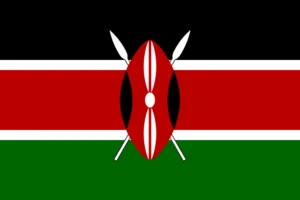
Capital: Nairobi
Currency: Kenyan shilling (KES)
Language: Kiswahili and English (official), plus Kikuyu, Luhya, Dholuo, Kamba and other languages
Population: Over 50 million
Time zone: East Africa Time (UTC+3)
Calling code: +254
Internet domain: .ke
Main airport: Jomo Kenyatta International Airport (NBO)
Best time to visit: June to October and January to February (dry seasons)
📍 Kenya Map
🖼️ Kenya: Location, History, Culture & Food
✨ Complete Travel Guide
Safety Notice (checked November 2026): The US State Department rates Kenya Level 3, “Reconsider travel” (issued 19 October 2026), citing health, crime, kidnapping, terrorism, unrest and traffic safety, and it applies a higher level to some areas. News reports of the advisory name Garissa, Wajir, Mandera, Lamu and Tana River counties (except Tsavo National Park) among them. The UK FCDO advises against all travel to parts of north-eastern Kenya, the Somalia border region and parts of Lamu County, and against all but essential travel to some other areas. The US CDC has a Level 1 notice for Ebola Bundibugyo in Kenya after imported and linked cases were confirmed in Nairobi. This does not mean the whole country is affected, but read the current US advisory, UK FCDO advice and CDC notice before you book.
Where Is Kenya Located?
Kenya is a country in East Africa on the Indian Ocean coast, straddling the equator. It borders Ethiopia and South Sudan to the north, Uganda to the west, Tanzania to the south and Somalia to the east, and its capital, Nairobi, sits in the south-central highlands.
Last checked: November 2026
The Republic of Kenya covers about 580,000 square kilometres, making it roughly twice the size of Nevada. The equator crosses the country’s centre, so Kenya spans both the northern and southern hemispheres. Its land borders with five neighbours run for more than 3,400 kilometres, and the southeast edge meets the Indian Ocean along a coastline of about 536 kilometres.
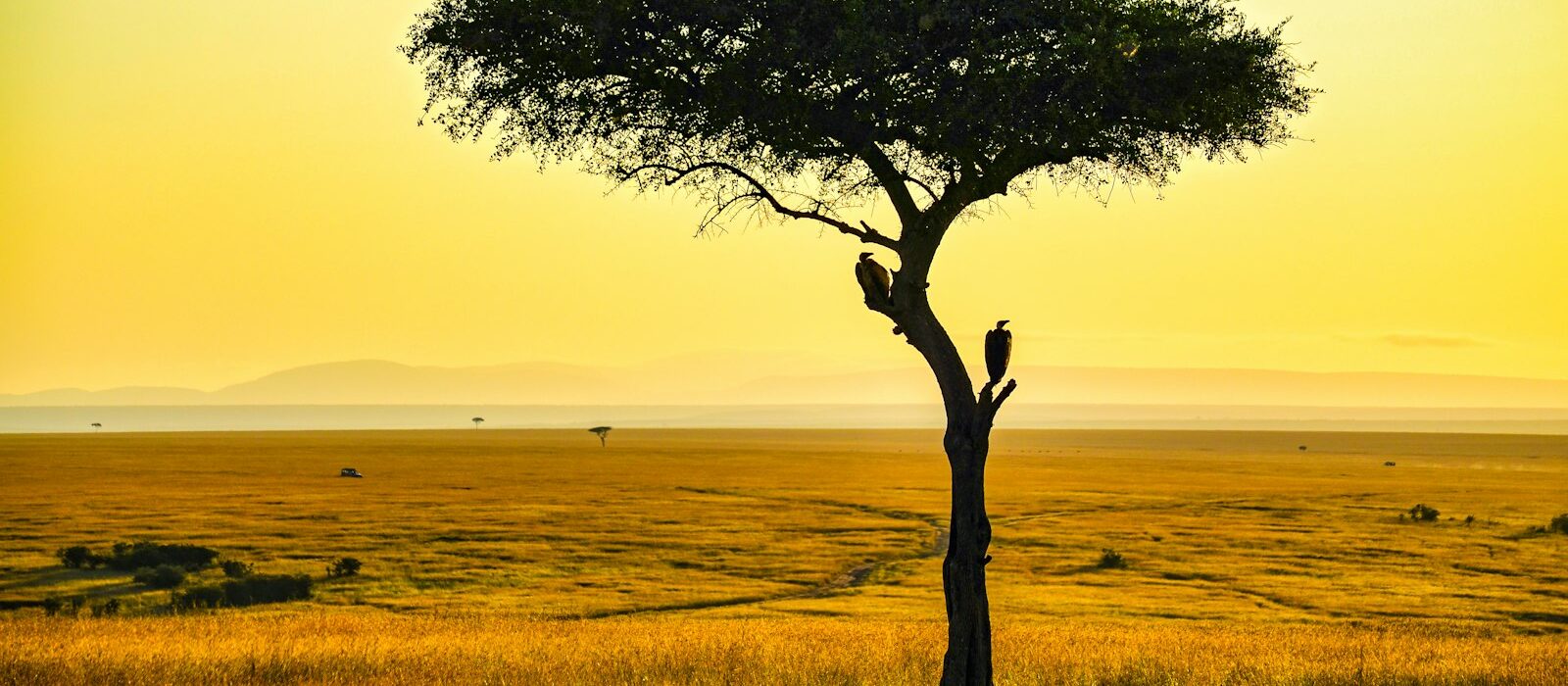
The landscape rises in stages from the coast. Hot, humid lowlands and coral-fringed beaches around Mombasa and the Lamu Archipelago give way to dry bush country, then to the cooler central highlands, where Mount Kenya reaches 5,199 metres. The Great Rift Valley cuts north to south through the west of the country, and Lake Victoria forms part of the western border region around Kisumu. Much of the north and east is arid or semi-arid.
Nairobi lies about 140 kilometres south of the equator at roughly 1,795 metres above sea level, which keeps evenings cool despite its latitude. Mombasa, the main Indian Ocean port, is the second city and the gateway to the coast. Kenya uses East Africa Time (UTC+3) across the whole country, with no daylight saving. To plan the journey, see our guides to flights to Kenya and how to get around Kenya.
Introduction to Kenya
Kenya is an East African country best known for its wildlife safaris, the annual Great Migration in the Maasai Mara, Indian Ocean beaches and a lively capital in Nairobi. Its English- and Kiswahili-speaking population of more than 50 million lives across highlands, savannah, lake country and Swahili coast towns.
Last checked: November 2026
For many travellers, Kenya means the Maasai Mara National Reserve, where wildebeest and zebra cross the Mara River in large herds between roughly July and October. The reserve adjoins Tanzania’s Serengeti, and the wider ecosystem supports lions, leopards, cheetahs, elephants and hippos. Amboseli, Tsavo, Lake Nakuru and the private conservancies of Laikipia add very different landscapes, from elephant plains beneath Mount Kilimanjaro’s silhouette to flamingo-fringed soda lakes.
Wildlife is only part of the picture. Mount Kenya, Africa’s second-highest peak, draws trekkers, while the coast offers coral reefs, beach resorts and the historic Swahili settlements of Lamu and Mombasa. Lamu Old Town and Fort Jesus in Mombasa are among Kenya’s UNESCO World Heritage Sites, alongside Mount Kenya, the Great Rift Valley lake system and the Sacred Mijikenda Kaya Forests.
Nairobi is the country’s capital, its biggest city and a regional hub; it hosts the United Nations Office at Nairobi, the UN’s main base in Africa. Kenya became independent from Britain on 12 December 1963 and is a presidential republic. The national tourism board reported about 1.96 million international visitors in 2024, a rise of 17.5 per cent on the year before, reflecting how popular the country remains for first-time and returning visitors alike. Explore the best places to visit in Kenya, check the best time to visit Kenya and read the Kenya visa requirements before you go.
History of Kenya
Kenya’s history stretches from some of the oldest traces of early humans in the Rift Valley to centuries of Swahili coastal trade, British colonial rule from 1895 and independence on 12 December 1963. Since 1992 it has moved from one-party rule to multiparty politics, and its 2010 constitution created 47 counties.
Last checked: November 2026
The Turkana Basin in the north is known for fossil finds that shaped the study of early humankind. Along the Indian Ocean coast, Swahili city-states such as Mombasa and Lamu grew rich on trade with Arabia, Persia and India, and later saw Portuguese and Omani influence. Their stone towns, mosques and forts still define the coast’s character, and Fort Jesus and Lamu Old Town are now UNESCO-listed.
European involvement began in the 1880s. Germany set up a protectorate over the Sultan of Zanzibar’s coastal possessions in 1885, and the Imperial British East Africa Company arrived in 1888. When the company ran into financial trouble, the British government took over in 1895 and created the East Africa Protectorate. A railway from Mombasa towards Lake Victoria led to the founding of Nairobi in 1899, and the colonial capital moved there from Mombasa in 1905. The territory became the Colony of Kenya in 1920, named after Mount Kenya, and the fertile central highlands were opened to European settlers.
Resistance to land loss and political exclusion grew through the mid-twentieth century. The Kenya African Union, led from 1947 by Jomo Kenyatta, campaigned for independence, and the Mau Mau uprising began in 1952, prompting a state of emergency that lasted until the end of the 1950s. Talks followed, and Kenya became independent in December 1963 with Kenyatta as prime minister. It became a republic in 1964, with Kenyatta as its first president until his death in 1978, when Daniel arap Moi succeeded him.
Multiparty politics returned in 1992. A referendum in August 2010 approved a new constitution that limited presidential powers and devolved authority to 47 county governments. Today Kenya is a presidential republic, a member of the East African Community and the Commonwealth, and Jamhuri Day on 12 December marks its independence and republic.
Culture and Traditions of Kenya
Kenyan culture is a mosaic of more than 40 ethnic communities, including the Kikuyu, Luhya, Luo, Kalenjin, Kamba and Maasai, united by Kiswahili and English and by the value of harambee, meaning “pull together”. Christianity is the main religion, with a significant Muslim community, especially on the coast.
Last checked: November 2026
No single group forms a majority. Most communities fall into Bantu, Nilotic or Cushitic language families, each with its own dress, music, ceremonies and customs. The Maasai are internationally recognised for their red shukas, beadwork and jumping dances, although they make up only a small share of the population. On the coast, Swahili culture blends African, Arab and Indian influences, visible in carved doors, dhow sailing, taarab music and poetry.
Kiswahili is the common language between communities, English is used in government, business and education, and many people also speak a home language such as Kikuyu, Dholuo or Kamba. In Nairobi, young people often speak Sheng, a Swahili-based slang mixed with English. Greetings matter: a handshake with a few questions about health and family is normal before getting to business, and elders are greeted first. Among the Maasai, the traditional greeting Kasserian Ingera asks how the children are. Using the right hand for greeting, giving and receiving is good manners.
Music and dance run through daily life, from gospel choirs and benga guitar to Kalenjin and Luo folk traditions. Rites of passage, weddings and harvest celebrations vary by community, and many are still marked with songs, dance and shared meals. Visitors can see Swahili heritage at the Lamu Cultural Festival, while community conservancies near the Maasai Mara offer visits arranged with local hosts. When visiting villages, ask before taking photographs, dress modestly and follow your guide’s advice.
Food and Cuisine of Kenya
Kenyan food is built on maize, beans, greens and grilled meat, with Swahili coastal dishes adding coconut, cardamom and spice. Ugali with sukuma wiki is the everyday plate, nyama choma is the classic social meal, and pilau, mandazi and chai turn up at celebrations and breakfast tables across the country.
Last checked: November 2026
Highland and western cooking leans on maize, beans, potatoes and leafy vegetables, while the coast draws on Arab, Persian and Indian influences. Lake Victoria supplies fresh tilapia, and herding communities have a strong tradition of roasted meat. These are the signature dishes most visitors try first:
- Ugali: a firm maize-meal porridge, eaten with the hand and used to scoop up stews, greens and fish.
- Nyama choma: goat or beef slow-roasted over charcoal and served with kachumbari, a favourite for weekend gatherings.
- Sukuma wiki: collard greens sautéed with onion and tomato; the name means “stretch the week”.
- Githeri: a one-pot stew of maize and beans, common in central Kenya.
- Mukimo: mashed potatoes, peas, maize and greens, a traditional Kikuyu dish often served with stew.
- Pilau: spiced rice cooked with meat, linked to the Swahili coast and served at weddings and festive meals.
- Chapati: soft, layered flatbread of Indian origin, ideal for mopping up stew.
- Mandazi: lightly sweet fried dough, often flavoured with coconut milk and cardamom, eaten with tea.
- Kachumbari: a fresh salad of tomato, onion, chilli and coriander that accompanies grilled meat.
- Mutura: a Kenyan street-food sausage, grilled and sold at roadside stalls.
- Fried tilapia: whole fish from Lake Victoria, usually served with ugali and kachumbari.
Chai, strong tea brewed with milk, sugar and sometimes ginger, is the national hot drink. Kenyan coffee and tea are also grown in the highlands, and many safari lodges serve them alongside local dishes. Vegetarian travellers will find sukuma wiki, githeri, beans and chapati widely available, and coastal restaurants often offer seafood and coconut-based curries. When you are ready to plan, browse our Kenya itineraries and see where to stay in Kenya.
Explore Kenya Travel Guides
Explore our detailed guides to plan every part of your Kenya trip.
Kenya: Best Places
Discover Kenya's best places by type, from the Maasai Mara and Amboseli to Mount Kenya, Nairobi and the coast, with time needed...
View Guide ›Kenya: Best Time to Visit
Find the best time to visit Kenya by month and region, including dry seasons, Great Migration timing, rains, holidays and packing advice.
View Guide ›Kenya: Flights
Flights to Kenya explained: Nairobi and Mombasa airports, airlines and routes, arrival tips and a Before You Fly checklist.
View Guide ›Kenya: Getting Around
How to get around Kenya by domestic flight, Madaraka Express train, bus, car and taxi, with driving rules and common mistakes.
View Guide ›Kenya: Hotels
Where to stay in Kenya: best Nairobi areas, safari lodges, beach stays, budget levels, family and halal-friendly tips and booking advice.
View Guide ›Kenya: Itineraries
Realistic 3, 5, 7 and 10-day Kenya itineraries from Nairobi to the Maasai Mara, Rift Valley and coast, using only verified travel...
View Guide ›Kenya: Visa
Most visitors need an approved Kenya eTA before flying. Learn who must apply, who is exempt, fees, documents and the mandatory travel...
View Guide ›Explore Kenya Tours
Discover guided tours and adventures in Kenya. Compare itineraries, prices and traveller reviews on TourRadar before you book.
Guided tours & deals
Affiliate partner · Globe Navo may earn a commission from qualifying bookings at no extra cost to you.
❓ Kenya FAQ
Where is Kenya located?
Kenya is an East African country on the Indian Ocean coast, crossed by the equator. It borders Ethiopia and South Sudan to the north, Uganda to the west, Tanzania to the south and Somalia to the east. Its capital, Nairobi, sits in the south-central highlands.
What is the capital and currency of Kenya?
The capital is Nairobi, the country's largest city and a regional hub. The currency is the Kenyan shilling (KES), the international calling code is +254, and Kenya uses East Africa Time (UTC+3) all year, with no daylight saving.
What languages are spoken in Kenya?
Kiswahili and English are the official languages, and Kiswahili is the common language between communities. Many people also speak a home language such as Kikuyu, Luhya, Dholuo or Kamba, and young people in Nairobi often use Sheng, a Swahili-based slang.
What is Kenyan food like?
Everyday Kenyan food is built on maize, beans and greens, with ugali and sukuma wiki as the classic plate. Nyama choma, or charcoal-roasted meat, is the favourite social meal, while the coast adds coconut, spices and pilau rice.
How many ethnic groups live in Kenya?
Kenya has more than 40 ethnic communities, and no single group forms a majority. The largest include the Kikuyu, Luhya, Luo, Kalenjin and Kamba, while the Maasai are widely known abroad. The value of harambee, meaning pull together, links them.
Plan Your Trip to Kenya
Your Next Adventure in Kenya Awaits!
Explore Deals →🎁 Best deals for Kenya
Offers from trusted travel stores for your Kenya trip. Compare a few options before you book, and check each store's terms for the final price.
Browse by type: Hotel deals · Flight deals · Travel eSIM · Car rental
More destinations to explore
MonacoMonaco is a tiny principality on the French Riviera, known for its harbour, royal…
 Central African RepublicLocation, history, culture and food of the Central African Republic, with official safety advice…
 AndorraAndorra is a small Pyrenean country between France and Spain, known for skiing, hiking,…