DESTINATION
Iran
Discover Iran: where it is, its Persian history, culture and traditions, and signature dishes, with links to every travel guide.
📅 Last updated:
🌍 Quick Facts

Iran at a glance
Capital: Tehran
Currency: Iranian rial (IRR)
Language: Persian (Farsi)
Population: Roughly 86 to 90 million (estimates vary by source)
Time zone: Iran Standard Time (UTC+3:30)
Calling code: +98
Internet domain: .ir
Main airport: Tehran Imam Khomeini International Airport (IKA)
Best time to visit: March to May and September to November
📍 Iran Map
🖼️ Iran: Location, History, Culture & Food
✨ Complete Travel Guide
Safety Notice: The US Department of State rates Iran Level 4, Do Not Travel, citing terrorism, civil unrest, kidnapping, arbitrary arrest and wrongful detention, and says there is no US embassy in Iran. The UK Foreign, Commonwealth and Development Office (FCDO) advises against all travel to Iran and warns of a very high risk of arrest and detention for British nationals, including dual nationals. Both warnings cover the whole country, and the FCDO has reported Iranian airspace as closed and land borders that may close at short notice. Read the full advisories on travel.state.gov and the UK FCDO travel advice before you consider any trip. Last checked: November 2026.
Where Is Iran Located?
Iran is a country in Western Asia, in the Middle East. It borders Armenia, Azerbaijan and Turkmenistan to the north, Afghanistan and Pakistan to the east, and Iraq and Turkey to the west. Its coasts lie on the Caspian Sea in the north and on the Persian Gulf and Gulf of Oman in the south.
Last checked: November 2026
With a total area of about 1,648,195 square kilometres, Iran is one of the twenty largest countries in the world and slightly smaller than the US state of Alaska. Its land borders add up to roughly 5,900 kilometres, with the longest stretches shared with Iraq, Turkmenistan and Pakistan. The southern coastline along the Persian Gulf and Gulf of Oman runs for about 2,440 kilometres, and a further 740 kilometres of shoreline faces the Caspian Sea.
Most of the country sits on a high plateau ringed by mountains. The Alborz range curves across the north, where volcanic Mount Damavand rises to about 5,600 metres and is the highest peak in Iran. The Zagros range runs from the north-west down the western side of the country, while large desert basins such as the Dasht-e Kavir and the Dasht-e Lut occupy much of the interior. The Caspian shore, at about 28 metres below sea level, is the lowest point.
Tehran, the capital, lies at the foot of the Alborz mountains in the north of the country. Because Iran faces the Persian Gulf, it holds a strategic position beside the Strait of Hormuz, a key route for the world’s oil shipping. The climate is mostly arid or semi-arid, with a much wetter, subtropical strip along the Caspian coast.
Introduction to Iran
Iran, officially the Islamic Republic of Iran and historically known as Persia, is a country of roughly 86 to 90 million people in Western Asia. Its capital is Tehran, its official language is Persian and its currency is the Iranian rial. It is known for ancient Persian heritage, mosques, gardens and a rich cuisine.
Last checked: November 2026
Population estimates differ by source, but most place Iran among the thirty most populous countries in the world. Roughly three in four people live in towns and cities, and Tehran is by far the largest urban area. Other major cities include Mashhad, Isfahan, Karaj, Shiraz and Tabriz. The country is divided into 31 provinces, and Iran has been a member of the United Nations since 1945.
Persian, also called Farsi, is the official language and the common language of education and media. Many Iranians also speak regional languages and dialects such as Azeri and other Turkic varieties, Kurdish, Luri, Gilaki, Mazandarani, Balochi and Arabic. Shia Islam is the state religion, and smaller communities of Christians, Zoroastrians, Jews and others also live in the country.
Some practical basics help set the scene. Iran uses a single time zone, Iran Standard Time (UTC+3:30), the international calling code is +98, and vehicles drive on the right. The Iranian rial is the official currency, and its exchange rate has been highly volatile in recent years.
The landscape and the people are both varied, from the green Caspian shore and snow-capped Alborz peaks to the deserts of the interior and the warm waters of the Persian Gulf. That variety, together with a very long history of art, poetry and architecture, is why Iran has attracted travellers for centuries and why the sections below turn next to the history that shaped it.
History of Iran
Iran is one of the world’s oldest continuous civilisations. Cyrus the Great founded the Achaemenid Empire around 550 BC, and Alexander the Great ended it in 330 BC. After the Parthians and Sasanians, Islam arrived in the seventh century, the Safavids made Shia Islam the state religion in 1501, and the Islamic Republic was established in 1979.
Last checked: November 2026
The Achaemenid Empire grew to span territory from the Balkans to North Africa and Central Asia, making it the largest empire the world had yet seen. Its ceremonial capital at Persepolis, begun around 515 BC, remains one of the best-known archaeological sites in the Middle East and has been a UNESCO World Heritage Site since 1979. After Alexander’s conquest, Iran was ruled by the Seleucids, then by the Parthians and, from the third century AD, by the Sasanian dynasty, whose empire fell during the Muslim conquest of Persia in the seventh century.
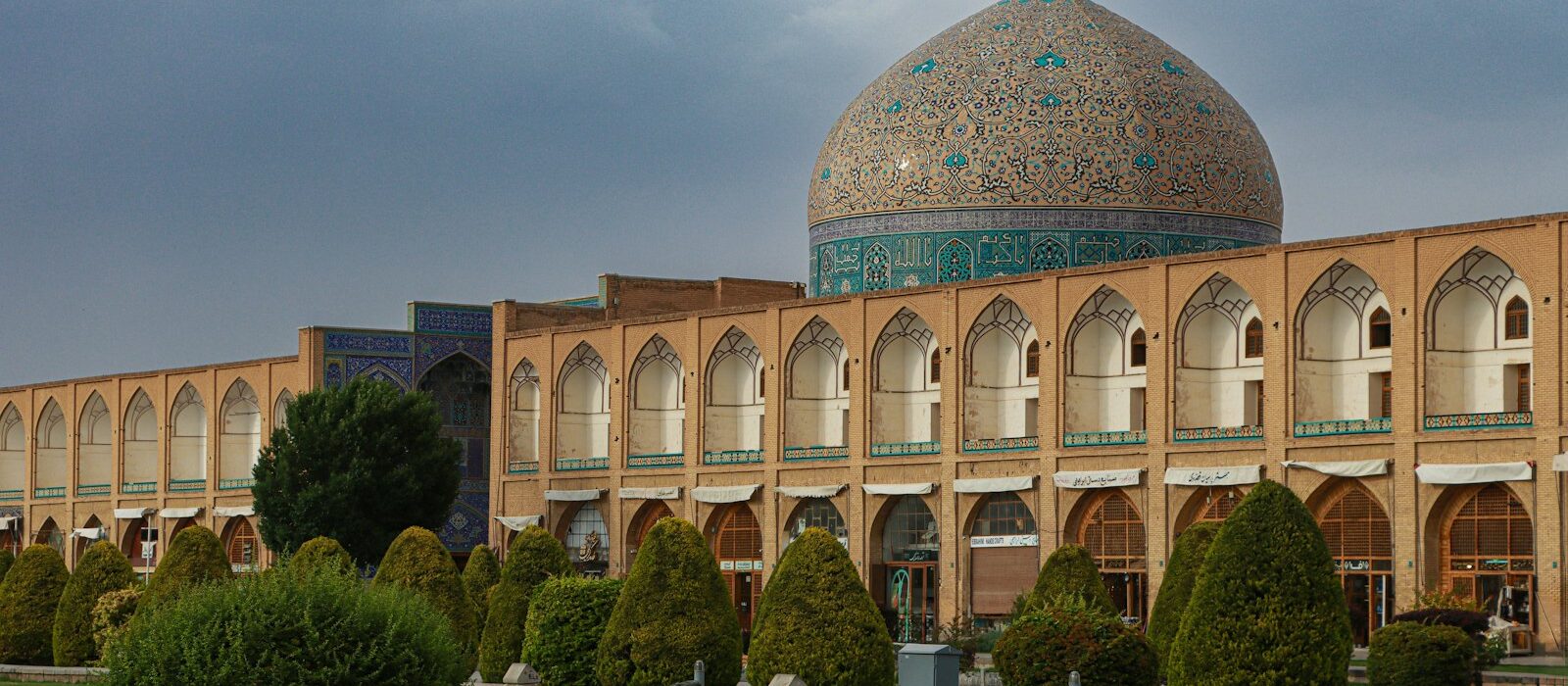
Over the following centuries Iranian dynasties, writers and scientists became central to Islamic culture, and the Persian language was revived as a language of poetry and government. The Seljuk and Mongol invasions of the eleventh to fourteenth centuries brought destruction but also new artistic and architectural traditions. In 1501 the Safavid dynasty reunified the country and declared Twelver Shia Islam the official religion, a decision that still shapes Iranian identity. Under Shah Abbas I, Isfahan was rebuilt with the grand Naqsh-e Jahan Square.
The Qajar dynasty ruled from the late eighteenth century until 1925, a period of growing Russian and British pressure and of the Constitutional Revolution of 1905 to 1906. Reza Shah then founded the Pahlavi dynasty and pursued rapid modernisation, and his son Mohammad Reza Shah reigned until the revolution of 1979 overthrew the monarchy. Iran was officially proclaimed an Islamic republic on 1 April 1979, and between 1980 and 1988 it fought a long and costly war with Iraq.
In recent years the region has seen repeated military confrontation. The UK government notes that in June 2025 Israel and the United States carried out strikes on Iran, followed by a ceasefire on 24 June, and both governments continue to warn against travel because of the fragile security situation described in the Safety Notice above.
Culture and Traditions of Iran
Iranian culture blends Persian traditions with Islamic and regional influences. Poetry, calligraphy, carpets and classical music are central, and Nowruz, the Persian New Year at the spring equinox, is the main celebration. Hospitality and a custom of ritual politeness called taarof shape daily life, while Shia observances such as Muharram mark the religious calendar.
Last checked: November 2026
Poetry is often described as the most beloved Iranian art. Ferdowsi’s epic Shahnameh, completed around the year 1010, preserved the legends of ancient Persia, and the verses of Hafez and Saadi are still quoted in conversation and kept in many homes. Persian miniature painting, calligraphy, tilework and garden design all grew from the same love of pattern and symbolism, and the Persian Garden is a UNESCO World Heritage property.
UNESCO has recognised many Iranian living traditions. These include Nowruz, inscribed in 2009, the traditional skills of carpet weaving in Fars and in Kashan, the ritual drama known as Ta’zieh, and the Radif, the body of melodies at the heart of classical Persian music. The Nowruz table, called the haft-sin, is set with seven symbolic items beginning with the Persian letter sin, and families gather around it as the new year begins.
Other seasonal customs include Chaharshanbe Suri, a fire-jumping festival held on the last Wednesday evening before Nowruz, and Yalda Night, when families stay up on the longest night of the year to eat pomegranates and watermelon and read poetry. Muharram, the first month of the Islamic calendar, is marked by processions and by Ta’zieh performances that recount the story of Imam Hussein.
In everyday life, guests are treated generously, and taarof means that offers are often politely refused several times before they are accepted. Dress codes and standards of public conduct are regulated by law and apply to visitors as well as residents, so it is wise to learn the current rules from official sources before any travel.
Food and Cuisine of Iran
Iranian cuisine is built around rice, fresh herbs, grilled meat, slow-cooked stews and flavours such as saffron, pomegranate, dried lime and barberries. Signature dishes include chelo kabab, ghormeh sabzi, fesenjan, dizi and tahdig. Meals are usually shared and centre on rice or bread, with plenty of herbs and tea.
Last checked: November 2026
Here are eleven signature dishes worth looking for:
- Chelo kabab: grilled skewers, most often minced-meat kabab koobideh or chicken joojeh kabab, served on steamed rice with grilled tomato.
- Ghormeh sabzi: a slowly simmered herb stew of parsley, coriander, leek and fenugreek with beans and meat, often called the national dish.
- Fesenjan: a rich stew of ground walnuts and pomegranate molasses with chicken or duck, balancing sweet and sour.
- Dizi (abgoosht): lamb, chickpeas and potatoes cooked in a stone crock, then mashed and eaten with bread.
- Tahdig: the golden, crisp crust of rice from the bottom of the pot, often flavoured with saffron.
- Zereshk polo ba morgh: saffron rice with tart barberries and chicken, common at festive meals.
- Baghali polo: rice cooked with dill and fava beans, usually served with lamb or fish.
- Tahchin: a baked cake of saffron rice, yoghurt and chicken with a crisp crust.
- Ash reshteh: a thick soup of noodles, beans, herbs and kashk, a fermented whey product, popular in cold months and around Nowruz.
- Kashk-e bademjan: fried aubergine topped with kashk, onions and mint, served as a dip or starter.
- Faloodeh: a chilled dessert of thin frozen noodles in a rose-water syrup, often finished with lime juice.
Plain rice served with a stew or kabab is called chelo, while rice mixed with other ingredients is called polo. Iran is known as a leading producer of saffron and pistachios, and both appear in rice dishes, sweets and ice cream. Vegetarians should ask about the stock and meat in soups and stews, because many dishes contain meat even when it is not obvious.
To plan further, read our Iran visa requirements and entry guide, explore the best places to visit in Iran and check the best time to visit Iran. You can also compare Iran itineraries, see where to stay in Iran, review flights to Iran and learn about getting around Iran.
Explore Iran Travel Guides
Explore our detailed guides to plan every part of your Iran trip.
Iran: Best Places
The best places to visit in Iran, grouped by historic sites, major cities, nature and coast, with notes on why to go,...
View Guide ›Iran: Best Time to Visit
When to visit Iran: seasons, month-by-month conditions, regional climate differences, Nowruz and Ramadan timing, and packing advice.
View Guide ›Iran: Flights
Flights to Iran: the main international airports, which airlines have been reported flying or suspended, arrival basics, time zone and a pre-flight...
View Guide ›Iran: Getting Around
Getting around Iran: domestic flights, trains, intercity buses, driving rules, ride-hailing apps and metros, with realistic travel times and practical tips.
View Guide ›Iran: Itineraries
Realistic Iran itineraries for 3, 5, 7 and 10 days along the classic route of Tehran, Kashan, Isfahan, Yazd and Shiraz, with...
View Guide ›Iran: Visa
How Iran visas work: the official e-visa portal, rules that depend on nationality, passport and document checks, extensions, and why current travel...
View Guide ›Iran: Hotels
Where to stay in Iran: the best areas in Tehran, Isfahan, Kashan, Yazd and Shiraz, hotel types from luxury to budget, and...
View Guide ›Explore Iran Tours
Discover guided tours and adventures in Iran. Compare itineraries, prices and traveller reviews on TourRadar before you book.
Guided tours & deals
Affiliate partner · Globe Navo may earn a commission from qualifying bookings at no extra cost to you.
❓ Iran FAQ
What is the capital of Iran?
Tehran is the capital and largest city of Iran. It lies in the north of the country at the foot of the Alborz mountains and is the political, economic and cultural centre of the country.
What language is spoken in Iran?
Persian, also called Farsi, is the official language and is used in education and media. Many Iranians also speak regional languages such as Azeri, Kurdish, Luri, Gilaki, Mazandarani, Balochi and Arabic.
What currency does Iran use?
Iran uses the Iranian rial (IRR). Its exchange rate has been highly volatile in recent years, so check current rates from reliable sources, and note that foreign bank cards may not work as expected.
What is Nowruz in Iran?
Nowruz is the Persian New Year, celebrated at the spring equinox. Families set a haft-sin table with seven symbolic items, visit relatives and enjoy special foods. UNESCO inscribed Nowruz on its list of intangible cultural heritage in 2009.
What are the most famous dishes in Iran?
Well-known Iranian dishes include chelo kabab, ghormeh sabzi, fesenjan, dizi and tahdig, the crisp saffron rice crust. Meals centre on rice or bread with fresh herbs, stews, grilled meat and tea.
Plan Your Trip to Iran
Your Next Adventure in Iran Awaits!
Explore Deals →🎁 Best deals for Iran
Offers from trusted travel stores for your Iran trip. Compare a few options before you book, and check each store's terms for the final price.
Browse by type: Hotel deals · Flight deals · Travel eSIM · Car rental
More destinations to explore
 EswatiniEswatini is a small landlocked kingdom in southern Africa, known for wildlife reserves, royal…
 CanadaCanada travel guide covering location, history, culture and food, with links to visa, places,…