 ChadSafety notice: official advisories warn against travel to Chad. The US Department of State…
DESTINATION
Iceland
Iceland travel guide: where the country is, its history, culture and food, from Reykjavík and glaciers to traditional Icelandic dishes.
📅 Last updated:
🌍 Quick Facts

Iceland at a glance
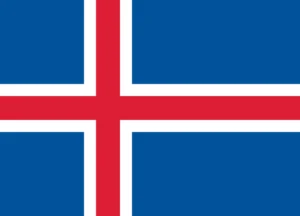
Capital: Reykjavík
Currency: Icelandic króna (ISK)
Language: Icelandic
Population: About 396,500 (Statistics Iceland, end of Q2 2026)
Time zone: GMT (UTC+0) all year, no daylight saving
Calling code: +354
Internet domain: .is
Main airport: Keflavík International Airport (KEF)
Best time to visit: June to August for midnight sun and open roads; September to March for northern lights
📍 Iceland Map
🖼️ Iceland: Location, History, Culture & Food
✨ Complete Travel Guide
Where Is Iceland Located?
Iceland is an island country in the North Atlantic Ocean, just south of the Arctic Circle, between Greenland and mainland Europe. It lies northwest of the United Kingdom and is usually counted as part of Northern Europe. Its capital, Reykjavík, is the northernmost national capital in the world.
Last checked: November 2026
The island sits at roughly 65° north and 18° west and covers about 103,000 square kilometres. It is the westernmost country in Europe, and because it is an island it has no land borders, so every visitor arrives by sea or by air.
Iceland lies on the Mid-Atlantic Ridge, where the Eurasian and North American tectonic plates slowly pull apart. That position explains the volcanoes, geothermal hot springs and frequent earthquakes that shape the landscape, and it makes Iceland one of the few places where this plate boundary can be seen on land.
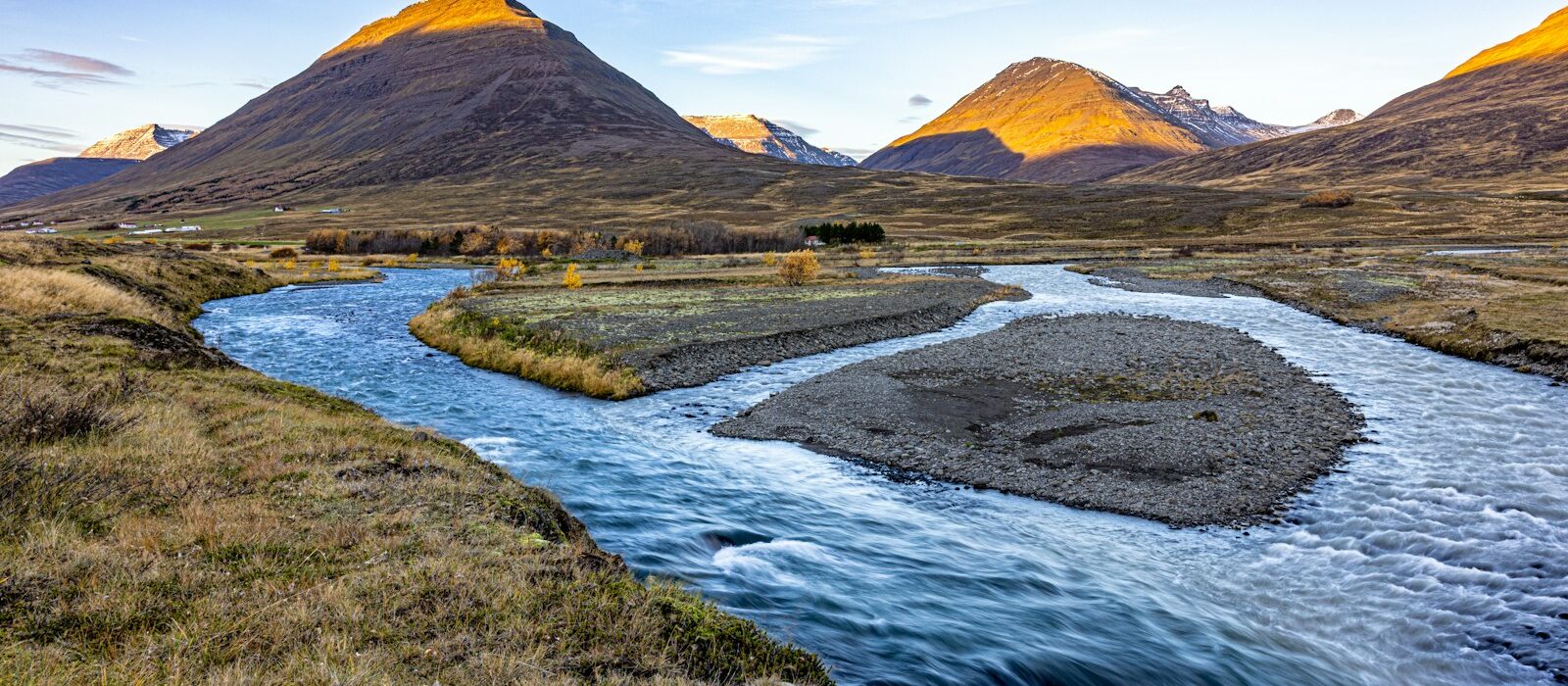
Most of the interior is an uninhabited highland of lava fields, deserts and glaciers, and roughly a tenth of the island is covered by ice. Vatnajökull is the largest ice cap, and the country’s highest peak, Hvannadalshnúkur, rises to 2,110 metres. People live mainly along the coast, and around half of the population lives in and near Reykjavík in the south-west.
Introduction to Iceland
Iceland is a Nordic island republic of just under 400,000 people, with Reykjavík as its capital and Icelandic as its official language. It is not a member of the European Union, but it belongs to the European Economic Area and the Schengen Area, and it uses the Icelandic króna. Visitors know it for glaciers, volcanoes and geothermal pools.
Last checked: November 2026
Iceland is a unitary parliamentary republic with a directly elected president. Its parliament, the Althing, has 63 seats, and the national day is 17 June, which marks the founding of the republic in 1944. The country joined NATO in 1949 and has been part of the European Economic Area since 1994, and it is also a member of the European Free Trade Association.
The capital region is by far the most populated part of the country. Reykjavík, Kópavogur and Hafnarfjörður form one urban area in the south-west, while Akureyri, in the north, is the largest town outside it. The Icelandic language is a North Germanic tongue that has changed little since the Middle Ages and stays close to Old Norse, so it looks unfamiliar even to speakers of other Nordic languages. Iceland uses Greenwich Mean Time all year, without daylight saving, and its international dialling code is +354.
Iceland has three UNESCO World Heritage Sites. Þingvellir National Park, listed in 2004, is where the Althing first met in 930. Surtsey, a volcanic island that rose from the sea in the 1960s, was listed in 2008 and is closed to the public, with access limited to researchers. Vatnajökull National Park, listed in 2019, covers about 14 percent of the country. The name Iceland is traditionally linked to the Norse explorer Flóki Vilgerðarson, who called the island the “Land of Ice”.
History of Iceland
Iceland’s history began with Norse settlement around 874, when Ingólfur Arnarson established a farm at what is now Reykjavík. The Althing was founded in 930, Norwegian and later Danish rule followed from 1262, and Iceland became a sovereign kingdom in 1918. The republic was declared at Þingvellir on 17 June 1944.
Last checked: November 2026
Settlers came mostly from Norway, many of them with Celtic companions from Ireland and Scotland, and within about sixty years the land was fully claimed. In 930 the local chieftains created the Althing, an open-air assembly at Þingvellir that made laws and settled disputes, and it is often described as the oldest parliament in the world. Around the year 1000 the Althing agreed that the country would adopt Christianity, while allowing private worship of the old gods for a time.
The medieval period produced the sagas, prose narratives written mainly in the twelfth and thirteenth centuries, with Snorri Sturluson as the best-known author. The Sturlung Age, a time of civil strife between powerful families, ended in 1262, when Icelandic leaders accepted the Norwegian king. Through the union of Nordic crowns, Iceland later came under Denmark, and the Reformation brought Lutheranism in the sixteenth century. The Danish monarchy also controlled trade for centuries, and the Althing was abolished around 1800 before being revived as an advisory body in the 1840s.
The nineteenth century brought a movement for independence led by figures such as Jón Sigurðsson, whose birthday, 17 June, later became the national day. Denmark granted a constitution and limited home rule in 1874, wider home rule in 1904 and sovereignty in 1918, although the Danish king remained head of state. During the Second World War, Britain occupied Iceland in 1940 and the United States took over defence in 1941. After a referendum, Iceland declared itself a republic on 17 June 1944.
Modern Iceland grew around fishing, and disputes over fishing limits with the United Kingdom, known as the Cod Wars, lasted from 1958 to 1976. The banking collapse of 2008 hit the economy hard, and tourism helped it recover. Since 2021, volcanic eruptions on the Reykjanes Peninsula have reminded residents that the island is still being shaped by the forces that created it.
Culture and Traditions of Iceland
Icelandic culture rests on the sagas, a language little changed since the Middle Ages and a close-knit community life. Visitors meet it in geothermal swimming pools, patronymic names instead of family surnames, the Þorrablót midwinter feast and the thirteen Yule Lads at Christmas, alongside a lively modern arts scene in Reykjavík.
Last checked: November 2026
Storytelling is central to national identity. The medieval sagas record the lives of the first settlers and their descendants, and because the language has changed so little, Icelanders can still read them in something close to their original form. Folklore about elves, trolls and “hidden people” remains part of how people talk about the landscape, and writers, musicians and designers continue to draw on it. In Reykjavík, the Harpa concert hall is the most recognisable modern cultural building.
Everyday life follows its own customs. Icelanders do not use family surnames in the traditional sense. A person’s last name is usually their father’s or mother’s first name plus “-son” or “-dóttir”, so Jón’s daughter becomes Jónsdóttir, and this is why Icelanders are normally addressed by first name. Geothermal swimming pools are social meeting places in almost every community, where neighbours soak and talk, and the etiquette of washing thoroughly before entering is taken seriously.
The calendar is full of distinctive celebrations. Þorrablót is a midwinter feast held in late January or February, with traditional foods, songs and toasts. At Christmas, thirteen mischievous Yule Lads visit children on the thirteen nights before 24 December, leaving small gifts in shoes placed by the window, and their troll mother Grýla features in old stories. Beer Day on 1 March marks the end of the long ban on strong beer in 1989, and Reykjavík Culture Night, held in August, fills the city with concerts, galleries and street events. Family is highly valued, and national celebrations are usually enjoyed together.
Food and Cuisine of Iceland
Icelandic cuisine is built on fish, lamb and dairy, shaped by centuries of preserving food in a harsh climate. Classic dishes include kjötsúpa lamb soup, plokkfiskur fish stew, skyr, hákarl, harðfiskur and geothermal rye bread. Many of the most unusual traditional foods are now served mainly at the Þorrablót midwinter feast.
Last checked: November 2026
Cod, haddock and other white fish from the North Atlantic sit alongside lamb from sheep that graze freely in summer. With little fresh produce available for much of the year, Icelanders learned to dry, ferment and smoke their food, and these methods still define the traditional table. Modern restaurants in Reykjavík and larger towns often serve updated versions of old recipes with local seafood and lamb.
These are signature dishes to look for:
- Kjötsúpa: a warming lamb soup with root vegetables such as swede, carrots and potatoes, often called the country’s everyday national dish.
- Plokkfiskur: a creamy fish and potato mash, traditionally made from cod or other white fish and served with buttered rye bread.
- Skyr: a thick, strained dairy product eaten at breakfast, as a snack or in desserts, often with berries.
- Hákarl: fermented Greenland shark, cured and dried for months, usually eaten in small pieces at Þorrablót and often followed by a shot of brennivín.
- Harðfiskur: wind-dried fish, eaten as a protein-rich snack with butter.
- Rúgbrauð: dark, slightly sweet rye bread, traditionally baked slowly in the heat of geothermal ground, with hot-spring towns such as Laugarvatn known for it.
- Flatkaka: a thin rye flatbread, often served with butter and smoked lamb or fish.
- Hangikjöt: smoked lamb, a traditional centrepiece of the Christmas table.
- Pylsa: the Icelandic hot dog, usually made with lamb and topped with crispy onions and sauces, a popular street snack.
- Humar: langoustine, often called Icelandic lobster, served in restaurants in harbour towns such as Höfn.
- Kleinur: twisted fried dough pastries, often flavoured with cardamom or nutmeg and enjoyed with coffee.
Vegetarian travellers will find skyr, bread, soups and modern restaurant menus easy to enjoy, but many traditional dishes contain fish or lamb, so it helps to ask about ingredients if you avoid meat or have allergies.
Explore Iceland Travel Guides
Explore our detailed guides to plan every part of your Iceland trip.
Iceland: Best Places
The best places to visit in Iceland, from the Golden Circle and glacier lagoons to Reykjavík, Akureyri and the south coast, with...
View Guide ›Iceland: Best Time to Visit
Best time to visit Iceland: weather by season and month, daylight hours, northern lights, midnight sun, holidays and what to pack.
View Guide ›Iceland: Flights
Flights to Iceland: Keflavík International Airport, airlines, routes, arrival information, transfers to Reykjavík and a pre-flight checklist.
View Guide ›Iceland: Getting Around
Getting around Iceland: driving rules and F-roads, Strætó buses, ferries and domestic flights, with tickets, travel tips and the best option for...
View Guide ›Iceland: Itineraries
Realistic Iceland itineraries for 3, 5, 7 and 10 days, with routes, driving times, overnight stops and practical tips.
View Guide ›Iceland: Visa
Iceland visa guide: who can enter visa-free, who needs a Schengen visa, how to apply, and what to know about EES and...
View Guide ›Iceland: Hotels
Where to stay in Iceland: best areas by city and region, accommodation types, booking tips and the official accommodation tax.
View Guide ›Explore Iceland Tours
Discover guided tours and adventures in Iceland. Compare itineraries, prices and traveller reviews on TourRadar before you book.
Guided tours & deals
Affiliate partner · Globe Navo may earn a commission from qualifying bookings at no extra cost to you.
❓ Iceland FAQ
Where is Iceland?
Iceland is an island country in the North Atlantic Ocean, just south of the Arctic Circle, between Greenland and mainland Europe. It lies northwest of the United Kingdom, has no land borders, and its capital, Reykjavík, is the northernmost national capital in the world.
Is Iceland part of the European Union?
No. Iceland is not a member of the European Union, but it belongs to the European Economic Area and the Schengen Area. It joined NATO in 1949 and is a member of the European Free Trade Association. Its currency is the Icelandic króna, not the euro.
What language do people speak in Iceland?
Icelandic is the official language. It is a North Germanic language that has changed little since the Middle Ages and stays close to Old Norse. Icelandic names usually follow a patronymic system, so people are normally addressed by their first name in everyday conversation.
What is Iceland known for?
Iceland is known for glaciers, volcanoes, geothermal pools and waterfalls, along with its sagas and midwinter festivals. It has three UNESCO World Heritage Sites: Þingvellir National Park, Surtsey and Vatnajökull National Park. Traditional foods include skyr, kjötsúpa lamb soup and fermented shark.
When did Iceland become independent?
Iceland became a sovereign kingdom in union with Denmark on 1 December 1918. The republic was declared at Þingvellir on 17 June 1944, which is now the national day. Before that, the country had been under Norwegian and then Danish rule since 1262.
Plan Your Trip to Iceland
Your Next Adventure in Iceland Awaits!
Explore Deals →🎁 Best deals for Iceland
Offers from trusted travel stores for your Iceland trip. Compare a few options before you book, and check each store's terms for the final price.
Browse by type: Hotel deals · Flight deals · Travel eSIM · Car rental
More destinations to explore
ChadSafety notice: official advisories warn against travel to Chad. The US Department of State…
 KazakhstanExplore Kazakhstan, the vast Central Asian country of steppe, mountains and Silk Road heritage,…
 Marshall IslandsA guide to the Marshall Islands, a Pacific nation of coral atolls in Micronesia,…