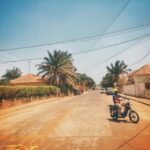
Guinea-Bissau has two seasons and they couldn’t be more different. One is dry, dusty and easy to travel in. The other is wet, green and awkward for anything that involves a dirt road or a boat.
Quick answer: The best time to visit Guinea-Bissau is the dry season from November to April, when skies are clear, seas are calmer and roads are passable. The rains run from roughly June to October and make many unpaved roads and some boat trips unreliable. February brings Carnival.
Last checked: November 2026
Safety Notice: The US Department of State rates Guinea-Bissau Level 3, Reconsider Travel, citing unrest, inadequate health infrastructure and landmines. Check official advice again shortly before you travel.
Guinea-Bissau Seasons at a Glance
Sources describe the same pattern with slightly different dates. Most put the dry season at November to May and the rainy season at June to October, while some stretch the rains into November. Treat the edges of each season as a shoulder period rather than a hard line.
- Dry season (about November to April or May): little or no rain, plenty of sunshine, dusty harmattan wind at times.
- Rainy season (about June to October): heavy, humid, with the wettest weather in July, August and September.
Temperatures stay warm all year. In Bissau, monthly averages sit between roughly 26 and 29 degrees Celsius. The hottest weather arrives in April and May, just before the rains, when daytime highs reach the mid-30s. Sea temperatures hover around 28 degrees, so swimming is comfortable in any month.
Month-by-Month Guide
- November: the rains fade and roads start to dry. Hot, with highs near 33 degrees in Bissau. A good month to begin.
- December: dry and a bit cooler, with harmattan haze possible. One of the nicest months for general travel.
- January: among the coolest months, averaging around 26 degrees in Bissau. Clear and dry.
- February: dry and hot. Carnival is usually held this month in Bissau and the Bijagós, so book early and expect crowds.
- March: hot and dry. Good for the islands, though dust can hang in the air.
- April: very hot as the dry season ends. Early mornings and evenings are best for exploring.
- May: the hottest month, with a mean near 29 degrees and highs around 34. Humidity builds before the first rains.
- June: the rains begin. Some roads start to deteriorate and boats can be disrupted.
- July: heavy rain and thick cloud. Not ideal for travel beyond Bissau.
- August: typically the wettest month. Many unpaved roads become impassable.
- September: still very wet. Independence Day falls on the 24th.
- October: rain eases through the month, though flooding can linger on rural roads.
Coast, Islands and Interior
The weather isn’t identical everywhere. The coast and the Bijagós islands are humid and tempered by sea breezes, which keeps daytime highs a little lower in the rainy season. Inland, around Bafatá and Gabú, the savanna is drier and the dust is more noticeable in the dry season.
For the islands, calm seas matter more than temperature. The ferry from Bissau can be cancelled in rough weather, and sources report that sea crossings are least reliable from June to September. For the interior, the main issue is the road. Unpaved routes can turn impassable in heavy rain.
Peak and Low Season
Guinea-Bissau isn’t a mass-tourism country, so “peak” is relative. The busiest period for visitors runs from December to February, when conditions are best and Carnival draws people to Bissau. Prices for the few tourist lodges tend to rise then, so book ahead.
The low season is the rainy months. Fewer travellers come, some lodges close and transport is slower. You’ll get green landscapes and peace, but you’ll pay for it in delays.
Festivals and Holidays
- Carnival: usually in February, with parades, drumming and handmade masks, especially in Bissau and on the Bijagós.
- Independence Day: 24 September, marking the 1973 declaration of independence.
- Ramadan: about 46 percent of people are Muslim, so Ramadan matters. In 2027 it’s expected to begin in early February, depending on the moon sighting, and it may overlap with Carnival. Some daytime eateries may close or run shorter hours, and public life slows during the day.
Exact dates for Carnival and Ramadan change every year, so confirm them locally before you book.
What to Pack by Season
- Dry season: light cotton clothing, a scarf or mask for dust, sunscreen, a hat and a refillable water bottle.
- Rainy season: a proper rain jacket, quick-dry clothes, waterproof bags for electronics and strong insect repellent.
- Year round: modest clothing for towns, a torch for power cuts and a copy of your passport.
Best Time by Travel Style
- Beaches and islands: December to April for calm, sunny weather.
- Culture and Carnival: February, with advance bookings.
- Birdwatching: the dry season is easier for access, and the archipelago’s mudflats attract migratory shorebirds in the northern winter.
- Budget travel: the shoulder months of November and May, accepting heat or early rains.
Best Time to Visit FAQs
What is the best month to visit Guinea-Bissau?
December and January are generally the most comfortable, with dry weather and slightly lower temperatures. February is excellent too if you want Carnival, although you should book accommodation early and expect higher demand.
When is the rainy season in Guinea-Bissau?
Most sources place it between June and October, with the heaviest rain in July, August and September. A few describe it as lasting into November, so expect some variation from year to year.
Is Guinea-Bissau hot all year?
Yes. Average temperatures in Bissau stay roughly between 26 and 29 degrees Celsius all year. The hottest period is April and May, and nights remain warm, so lightweight clothing works in every season.
Can I travel during the rainy season?
You can, but it’s harder. Many unpaved roads become impassable and ferries to the islands can be disrupted. If you must go, stick to Bissau and paved routes and leave plenty of extra time.
Official Sources
- World Bank Climate Change Knowledge Portal: Guinea-Bissau climate data
- Government of Canada: Guinea-Bissau travel advice
- US Department of State: Guinea-Bissau travel advisory
Related Guides
- Guinea-Bissau destination guide: location, history, culture and food
- Guinea-Bissau visa guide for tourists
- Best places to visit in Guinea-Bissau
- Guinea-Bissau itinerary: 3, 5, 7 and 10 day plans
- Where to stay in Guinea-Bissau
- Flights to Guinea-Bissau
- Getting around Guinea-Bissau: transport and road travel