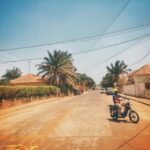
Guinea-Bissau isn’t a checklist country. It’s a place you piece together slowly, island by island and town by town, and the rewards are real if you’re patient. This guide groups the best places by type and tells you how long each deserves and who’ll enjoy it most.
Quick answer: The best places to visit in Guinea-Bissau are the Bijagós Archipelago, especially Bubaque and the protected parks, the historic towns of Cacheu and Bolama, and the capital, Bissau. Come between November and April, plan around slow transport, and check current safety advice first.
Last checked: November 2026
Safety Notice: The US Department of State rates Guinea-Bissau Level 3, Reconsider Travel, citing unrest, inadequate health infrastructure and landmines. Stay on main roads, avoid night travel and read the official advice before you plan.
Historic Places
Cacheu
Why visit: Cacheu is a quiet riverside town about 100 kilometres from Bissau, with an old Portuguese fort, a small stone pier and a tiny church. It was one of the earliest trading posts on this coast. Don’t expect crowds. Expect silence and a slow afternoon by the water.
Time needed: A long day trip, or one night if the roads are kind. Best for: history lovers and anyone who likes places that nobody has polished.
Bolama
Why visit: Bolama served as the capital of Portuguese Guinea from 1879 until 1941, when government moved to Bissau. Today it’s a sleepy island town of faded colonial buildings with a fraction of its old population. It feels like a film set that the director forgot to take down.
Time needed: One to two days. Boats from Bissau depend on tides and weather, so leave a buffer. Best for: photographers and slow travellers.
Fortaleza d’Amura, Bissau
Why visit: The old fortress in Bissau’s port area is the city’s best-known historic site and a reminder of the colonial era and the independence struggle. Check locally that it’s open and which parts you can enter before you go.
Time needed: One to two hours. Best for: a first look at Bissau’s history.
Natural Places
Bolama-Bijagós Archipelago
Why visit: This is the headline act. The archipelago is a UNESCO Biosphere Reserve made up of 88 islands and islets, and it’s a Ramsar wetland site that hosts huge numbers of migratory shorebirds and a large colony of green turtles. It’s also home to the Bijagó people, whose customs shape what visitors can see and do. Guinea-Bissau has put forward a World Heritage nomination, so check UNESCO for its current status.
Time needed: At least three or four days, because transport eats time. Best for: nature lovers, birders and culture-minded travellers.
Orango National Park
Why visit: Created in 2000, this park covers Orango and nearby islands and is known for saltwater hippos, sea turtles and birdlife. It’s remote. You’ll almost certainly need a boat and a local guide.
Time needed: Two to three days from Bubaque, if you can arrange it. Best for: wildlife enthusiasts who don’t mind rough logistics.
João Vieira and Poilão Marine National Park
Why visit: Poilão is considered a sacred island and holds one of the most important green turtle nesting sites on the Atlantic coast of Africa. The park covers four uninhabited islands in the south-east of the archipelago. Rules protect nesting, so go only with authorised operators and respect any limits on landing.
Time needed: A multi-day boat trip. Best for: serious wildlife travellers. Contact the national protected areas institute (IBAP) before you plan.
Cantanhez Forest National Park
Why visit: Cantanhez lies in the south of the mainland and is known for its forest and wildlife, including chimpanzees. We couldn’t find current official access or guiding information, so treat it as something to confirm with IBAP before you commit.
Time needed: Two days or more. Best for: experienced travellers who can arrange a local guide.
Beaches and Islands
Bubaque
Why visit: Bubaque is the main town and the usual base for the archipelago. You’ll find simple guesthouses, a few restaurants, quiet roads and beaches within reach. Some other islands have just one or two lodges that you reach by private boat.
Time needed: Three to four days. The calmest, sunniest conditions fall between November and April. Best for: beach time, relaxing and island culture.
Northwest coast near Varela
Why visit: The beaches near Varela are sometimes mentioned in travel writing. Here’s the catch. Canada advises avoiding non-essential travel within 20 kilometres of the Senegal border, and US security reporting urges caution on roads around Mpack, São Domingos and Varela. We don’t recommend this area unless current official advice changes.
Time needed: Not recommended for now. Best for: nobody at the moment.
Cities and Towns
Bissau
Why visit: The capital is the gateway to everything else. Its markets, music and street life give you the clearest taste of daily Bissau-Guinean culture, and Carnival in February is the biggest event of the year. Roads are potholed and electricity can be erratic, so patience helps.
Time needed: One to two days before heading on. Best for: culture, food and music.
Bafatá
Why visit: Bafatá sits inland on the main paved route east and is the birthplace of independence leader Amílcar Cabral. It’s a calm river town with colonial-era architecture.
Time needed: One night. Best for: history and a look at life outside Bissau.
Gabú
Why visit: Gabú is the main town of the east and was once the heart of the Kaabu kingdom. It’s dry savanna country with a very different feel to the coast. Roads beyond Bafatá are rougher, so allow extra time.
Time needed: One night, as an extension from Bafatá. Best for: travellers curious about the interior.
Planning Tips
- Travel between November and April. Many unpaved roads become impassable in the rainy season.
- Don’t leave marked roads and paths. Landmines remain a risk outside Bissau, so take local advice.
- Hire a licensed local guide for parks and islands, and ask permission before photographing people or ceremonies.
- Carry cash in CFA francs, because card acceptance outside Bissau shouldn’t be assumed.
Best Places FAQs
What is the best place to visit in Guinea-Bissau?
The Bijagós Archipelago is the standout, with its beaches, turtles, birds and island culture. Bubaque is the easiest base. If you only have a few days, combine Bissau with a short island stay and keep your plans flexible.
How many days do I need in Guinea-Bissau?
Plan at least five to seven days. Boat schedules and road conditions slow everything down, so rushing doesn’t work. A week lets you see Bissau, one historic town and a few days on Bubaque.
Is Bubaque worth visiting?
Yes, if you want quiet beaches and a look at Bijagó island life without large crowds. Facilities are simple. Check the ferry timetable before booking, because the boat only sails a few times a week.
Can I see turtles in Guinea-Bissau?
Green turtles nest on islands such as Poilão, which is protected and considered sacred. Visits need authorised operators and follow strict rules. Contact IBAP early, since access isn’t like a regular tourist attraction.
Official Sources
- IBAP: ecotourism guide to Guinea-Bissau’s protected areas (French)
- Ramsar Sites Information Service: Bolama-Bijagós Archipelago
- UK FCDO: Guinea-Bissau safety and security