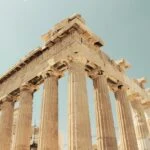
The best places to visit in Greece include Athens and the Acropolis, the Meteora monasteries, Delphi, Crete, Santorini and Rhodes. Greece has 20 UNESCO World Heritage properties, so most trips combine ancient sites with islands, mountains and food-led cities. The right mix depends on your interests, season and available time.
Last checked: November 2026
This guide groups the main destinations by type of trip. Time estimates are practical suggestions rather than official figures, and access details can change, so confirm hours and bookings before you go. For visa and entry rules, see the Greece visa guide, and return to the Greece travel guide for background.
Historic Sites
Athens and the Acropolis
Why visit: the Acropolis has been a UNESCO World Heritage Site since 1987 and the Parthenon is the best-known symbol of ancient Greece. Main attractions: the Parthenon, the Propylaea, the Erechtheion and the Acropolis Museum nearby. Time needed: half a day for the hill and museum. Best for: first-time visitors and history lovers. Access: entry uses booked time slots, so reserve through the official ministry ticketing channel and confirm current prices and hours before travelling.
Delphi
Why visit: Delphi was the religious centre of the ancient Greek world and has been listed by UNESCO since 1987. Main attractions: the Sanctuary of Apollo, the theatre, the stadium and the Tholos of Athena Pronaia. Time needed: a full day from Athens. Best for: travellers who enjoy mountain scenery and archaeology.
Olympia, Mycenae and Epidaurus
These Peloponnese sites are all on the UNESCO list. Olympia is the birthplace of the Olympic Games, Mycenae and Tiryns belong to the Bronze Age Mycenaean world, and Epidaurus is known for its ancient theatre. Time needed: one day each, or a two or three night Peloponnese loop. Best for: road trippers and ancient-history enthusiasts.
Knossos and Minoan Crete
The Minoan Palatial Centres of Crete were added to the UNESCO list in 2025. Knossos, near Heraklion, is the best-known of them. Time needed: half a day. Best for: families and anyone curious about Europe’s earliest advanced civilisation.
Natural and Mountain Landscapes
Meteora
Why visit: six functioning monasteries stand on sandstone pillars in central Greece, and the site is a UNESCO mixed cultural and natural property. Time needed: one full day, or two if you want viewpoints and walks. Best for: photographers and anyone who enjoys dramatic scenery. Access: each monastery sets its own hours and weekly closing day, and a modest dress code with covered shoulders and knees is enforced. Hours can change around religious holidays.
Zagori and Mount Olympus
Zagori in the Pindus mountains is known for stone villages and gorges, and it is also on the UNESCO list. Mount Olympus, the country’s highest peak at about 2,900 metres, attracts hikers. Time needed: two to three days for either region. Best for: hikers and travellers who prefer villages to beaches. Both are best outside winter, when snow can limit trails.
Beaches, Islands and Coast
Santorini
Why visit: white villages, blue-domed churches and caldera views, especially around Oia and Fira. Time needed: two to three nights. Best for: couples and photographers. Note: the UK FCDO issued advice for Santorini and nearby islands after seismic activity in early 2025, so check the latest government advice before you book.
Mykonos and the Cyclades
The Cyclades are known for whitewashed towns, ferry hopping and busy beaches. Mykonos is the best-known nightlife island, while quieter islands suit slower trips. Time needed: three to four nights per island group. Best for: beach holidays and island hoppers.
Crete
Greece’s largest island combines beaches, mountain villages, Minoan sites and its own food traditions. Time needed: at least five days, and more if you plan to drive across the island. Best for: travellers who want variety in one place.
Corfu and the Ionian Islands
The Old Town of Corfu has been a UNESCO site since 2007, and the Ionian Islands are known for greener scenery than the Aegean. Time needed: three to five days. Best for: families and travellers who like green hills and old towns.
Rhodes
The Medieval City of Rhodes is a UNESCO site with fortifications built by the Knights of St John, and the island has long beaches. Time needed: three to four days. Best for: history lovers who also want a beach stay.
Major Cities
Athens is the main base for ancient sites, museums and neighbourhood dining, and it works well as a starting point for day trips. Thessaloniki, the second city, is known for Byzantine monuments, a waterfront and a strong food scene, and its Paleochristian and Byzantine monuments are UNESCO listed. Heraklion is the gateway to Knossos and central Crete. Plan two to three nights in Athens and two in Thessaloniki.
Cultural and Spiritual Places
Greek Orthodox monasteries are a major part of the cultural landscape, from Meteora to Patmos, where the Historic Centre with the Monastery of Saint John and the Cave of the Apocalypse is listed by UNESCO. Mount Athos is a self-governing monastic community with strict access rules, and it requires a permit and does not admit women, so it is not a standard sightseeing stop.
Food Destinations
- Thessaloniki: a good place for tavernas, markets and bakeries, and the best base for a food-focused city break.
- Crete: known for dishes such as dakos and for local cheeses, olive oil and herbs. Rural guesthouses often serve home-style meals.
- Athens: the central market area and neighbourhood tavernas make it easy to sample classic dishes. See the Food and Cuisine section of the Greece travel guide for signature dishes.
National Parks and Outdoor Trips
The Samaria Gorge in western Crete is a 16 kilometre hike through a national park, and it is only open in the warmer months. The park authority reopened it for the 2026 season on 19 May, and access can be suspended at short notice because of fire risk or bad weather. Check the official park channels before you set out, wear sturdy shoes and carry water. Other outdoor options include Mount Olympus, the Zagori trails and the coastal paths of the islands.
Which Places Suit Which Traveller?
- First visit, short trip: Athens, Delphi and one island.
- History focus: Athens, the Peloponnese sites and Crete.
- Beaches: Crete, Rhodes, Corfu or the Cyclades.
- Hiking and nature: Zagori, Mount Olympus and Samaria.
- Families: Corfu, Crete and Rhodes for easy beaches plus sites.
For official lists of heritage sites, see UNESCO’s World Heritage listing for Greece and the Visit Greece UNESCO page.
FAQs About the Best Places in Greece
What is the best place to visit in Greece for the first time?
Athens is the usual starting point because it combines the Acropolis, museums and good transport links. Add Delphi or the Peloponnese for more ancient sites, then finish with an island such as Santorini, Naxos or Crete.
How many UNESCO World Heritage Sites does Greece have?
UNESCO’s Greece page lists 20 properties inscribed on the World Heritage List. They range from the Acropolis, Delphi and Meteora to the Old Town of Corfu, Zagori and the Minoan Palatial Centres of Crete.
Can I visit all the Meteora monasteries in one day?
Usually not, because each monastery has its own hours and a different weekly closing day. One full day is enough for the main viewpoints and two or three monasteries. Stay two nights if you want to see more.
Is the Samaria Gorge open all year?
No. It is a seasonal park that opened on 19 May in 2026 and can close at short notice for fire risk or weather. Check with the park authority on the day before you travel.