Where you stay in Croatia shapes your trip as much as what you see. Old-town hotels put sights at your door but cost more and can be noisy. Apartments and guesthouses are common along the coast and give better value for families. This guide explains the best areas by city and region, the main types of accommodation, and practical booking points. It gives no prices, because rates change by season and we have not verified any.
Quick answer: Stay inside or next to the old town in Dubrovnik, Split, Zadar and Rovinj for sightseeing, or choose quieter neighbourhoods and nearby districts for better value. Book summer stays early, check whether the tourist tax is included, and confirm cancellation terms before paying.
Last checked: November 2026
Best Areas to Stay
Zagreb
The Lower Town (Donji Grad) is central, flat and close to museums, cafés and the main squares. The Upper Town (Gornji Grad) is quieter and historic. Choose the Lower Town for transport links and dining.
Split
Staying inside or next to Diocletian’s Palace puts you at the heart of the action, with the waterfront and ferries close by. Quieter districts a short walk away often cost less and are easier to reach by car.
Dubrovnik
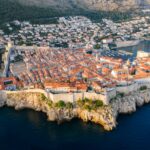
The Old City is atmospheric but busy and has steps and limited vehicle access. The Lapad area, with its seaside promenade, is a popular alternative with beaches and restaurants, linked to the old town by local bus.
Istria and the islands
Rovinj and Pula are popular bases in Istria. On the islands, towns such as Hvar, Korčula and Brač have harbour-front stays, while smaller villages offer quiet. Island hotels are often seasonal, so check opening dates.
Accommodation Types
Luxury
Luxury hotels and resorts cluster in Dubrovnik, on the islands and in parts of Istria. Many are seasonal, and some sit outside town centres, so check transfer times.
Mid-range
Mid-range hotels, boutique properties and well-reviewed guesthouses form the bulk of the market in Split, Zadar and Zagreb. They suit most travellers who want comfort without resort pricing.
Budget
Hostels, simple guesthouses and private rooms are widespread. Private rooms and apartments are a large part of Croatia’s accommodation. Make sure the host is registered and gives you a proper receipt.
Family-friendly stays
Apartments with kitchens, resorts with children’s facilities and campsites suit families. Look for ground-floor rooms or lifts, since old-town buildings often have many steps. Ask about cots and extra beds before booking.
Halal-friendly options
We could not verify specific halal-certified hotels for this guide. If you need halal meals, contact the property directly before booking, and look for self-catering apartments where you can cook yourself.
Booking Considerations and Local Taxes
Croatia charges a tourist tax on overnight stays, regulated by national law, and rates vary by town and season. Depending on the host, it may be included in the price or listed separately, so check the booking terms. Private hosts normally register guests with the national eVisitor system, as the Croatian National Tourist Board describes. Do not rely on third-party figures for amounts. Ask the property for the current charge.
- Book early: July and August fill first, especially on the islands.
- Check access: Old towns may have car restrictions, steps and no door-to-door parking.
- Check cancellation terms: Pay attention to deposits and non-refundable rates.
- Confirm the seasons: Many coastal properties close in winter.
- Verify registration: A legitimate host issues invoices and registers your stay.
Hotel Deals
Compare current offers below. Always confirm the final price, taxes and cancellation terms on the partner site.
Practical Tips
Match your area to your transport plan. A car helps if you stay outside town, but it adds parking costs. See getting around Croatia. Choose your base after reading our best places guide, and pick dates using the best time to visit page. For national tourism information, see the Croatian National Tourist Board.
Frequently Asked Questions
Where is the best place to stay in Dubrovnik?
The Old City is best for atmosphere and walking, while Lapad is better for beaches and lower noise. Pick based on whether you value sights at your door or relaxed seaside stays.
Is accommodation expensive in Croatia?
Prices vary widely by town and season, and summer rates on the coast are highest. We do not quote rates. Compare current offers and consider shoulder months for better value.
Do I pay a tourist tax at hotels in Croatia?
Yes, overnight stays are subject to a tourist tax, with amounts varying by place and season. It may be included in the room price or charged separately, so confirm this at booking.
Explore Hotels & Flights
Search accommodation and flights for your destination with Expedia. Compare available options and continue to Expedia to complete your booking.
Affiliate partner · Globe Navo may earn a commission from qualifying bookings at no extra cost to you.