Croatia is compact, yet its places feel very different. Walled towns, Roman palaces, island beaches, waterfalls and truffle forests can all fit into one trip, so the real question is what to prioritise. This guide groups the country’s most worthwhile destinations by interest and tells you why to go, what to see, how long to allow and who each suits. Time estimates are suggestions based on typical visits, not official figures.
Quick answer: Croatia’s most rewarding places include Dubrovnik, Split, Plitvice Lakes, Zagreb, Istria and islands such as Hvar and Korčula. Choose historic towns for architecture, national parks for nature and islands for beaches. As a rule, allow two to three days for the coast’s main towns and a full day for Plitvice.
Last checked: November 2026
UNESCO lists ten World Heritage properties in Croatia on the UNESCO World Heritage Centre page for Croatia, and several appear below. We do not rank places as “the best”. Choose by what you enjoy.
Historic Places
Dubrovnik
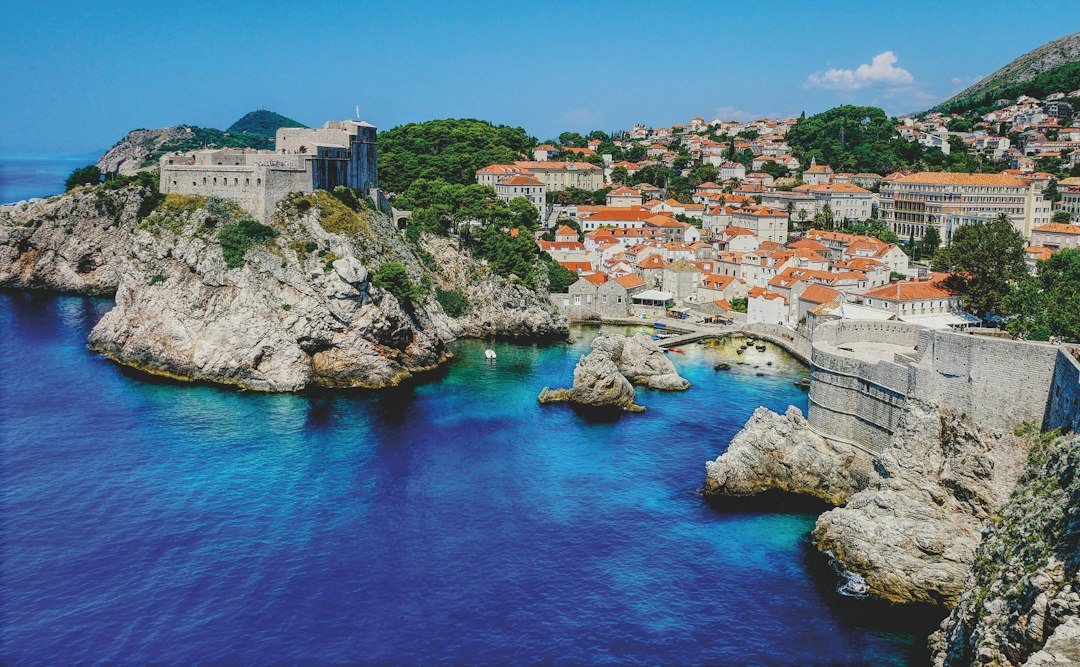
Why visit: The Old City of Dubrovnik is a UNESCO World Heritage property, famous for its limestone streets and its city walls. Main attractions: the walls, the Stradun main street and the old harbour. Time needed: two days is comfortable. Best for: first-time visitors and history lovers. Summer is busy, so visit early in the day. Check opening hours for the walls before you go, as we have not verified them.
Split and the Palace of Diocletian
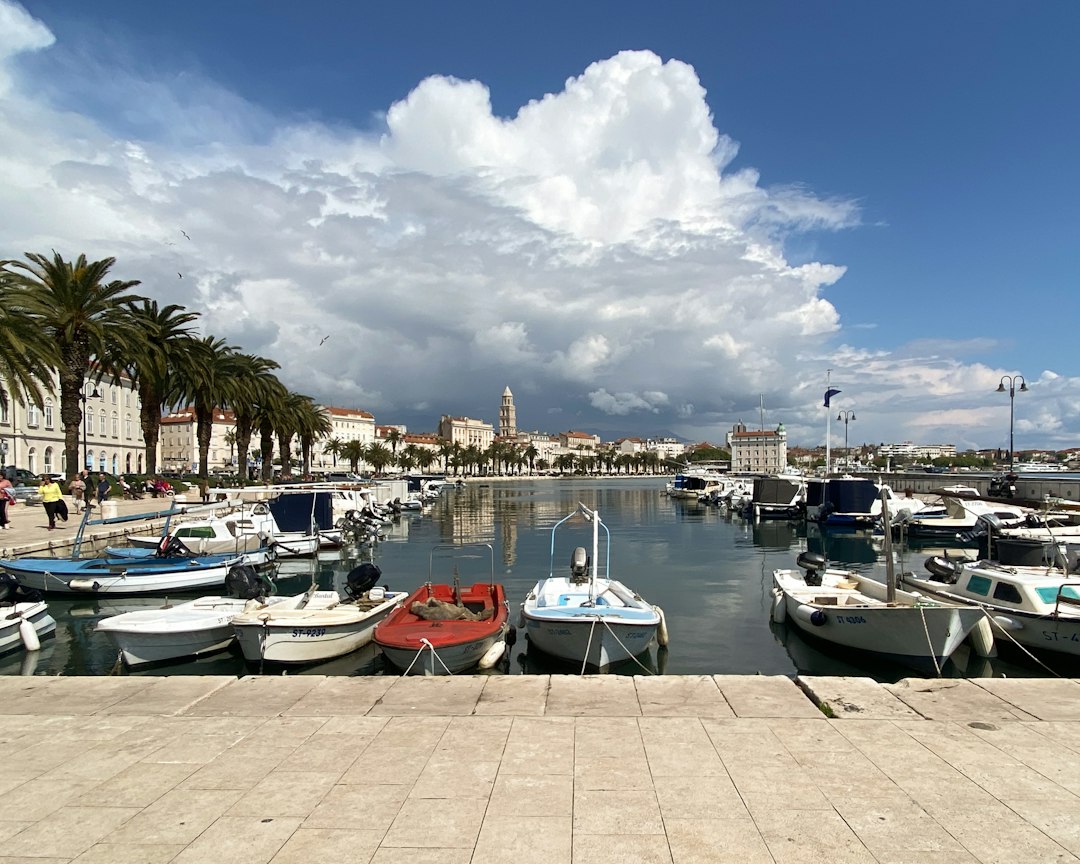
Why visit: The Historical Complex of Split with the Palace of Diocletian is UNESCO-listed, and locals still live and work inside the old Roman palace. Main attractions: the peristyle square, the cathedral and the waterfront promenade. Time needed: one to two days. Best for: travellers who want a lively city and a base for island trips.
Trogir, Šibenik and Poreč
Trogir’s historic core, the Cathedral of St James in Šibenik and the Euphrasian Basilica complex in Poreč are all UNESCO-listed. Each suits a half-day or day visit, and all are good for architecture fans who want smaller towns than Dubrovnik or Split.
Natural Attractions and National Parks
Plitvice Lakes National Park
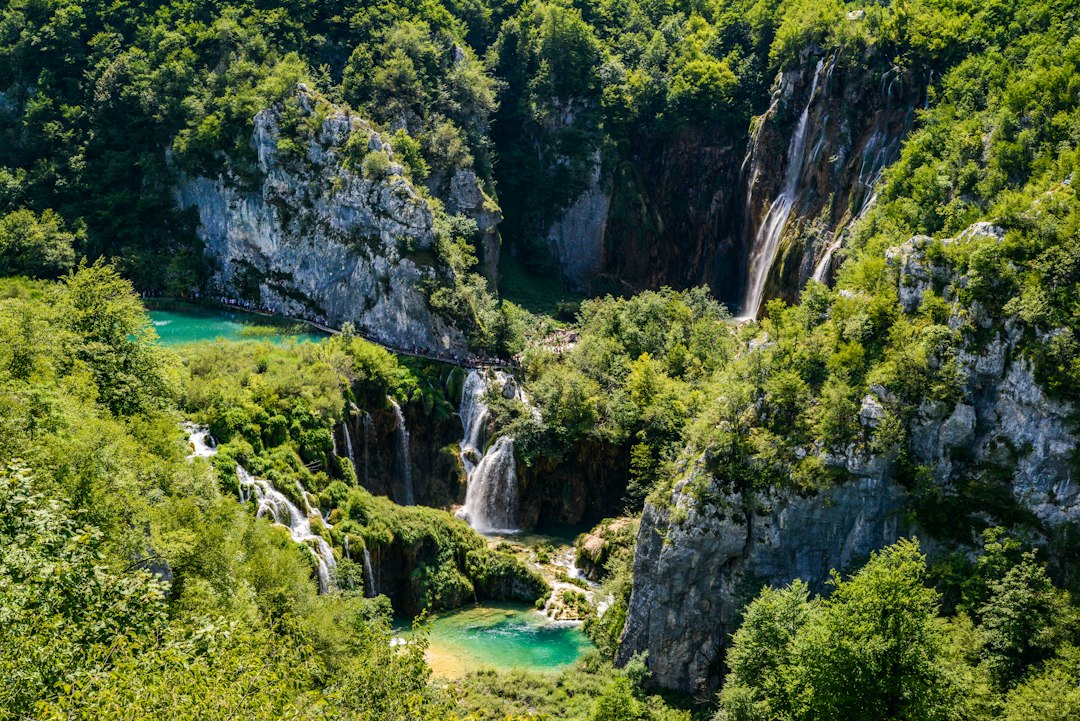
Why visit: Plitvice is one of Croatia’s best-known natural sites, with terraced lakes joined by waterfalls and walkways. It is UNESCO-listed and is popular for photography. Time needed: a full day. Best for: walkers and nature lovers. Confirm ticket rules and trail conditions on the park’s official site before travelling.
Other national parks
Croatia has eight national parks. Krka is known for waterfalls, Paklenica for rock climbing and canyons, Mljet and Kornati for islands and sea, Brijuni for an archipelago near Pula, and Risnjak and Northern Velebit for mountain forests. Choose one or two rather than trying to see them all.
Beaches and Coastal Destinations
Hvar, Brač and Korčula
These islands are reached by ferry from Split, and Korčula is also reachable from the Pelješac peninsula. Hvar offers a lively old town and lavender fields, Brač is known for its beaches, and Korčula has a walled old town. Allow two to three days for one island, and book ferries early in summer. Check Jadrolinija’s official site for current timetables.
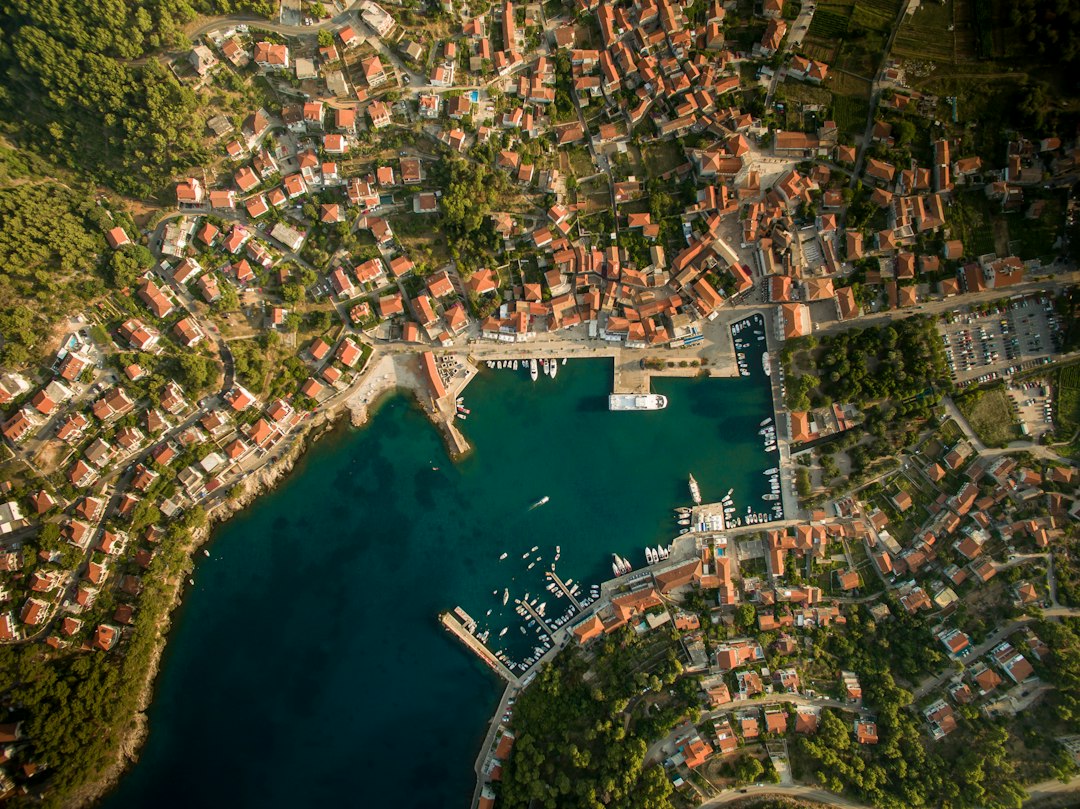
Istria’s coast
Rovinj and Pula combine sea swimming with Roman and Venetian heritage. Pula has a Roman amphitheatre, and Rovinj is an old fishing town. Allow two days each. These towns suit couples and food lovers.
Major Cities
Zagreb
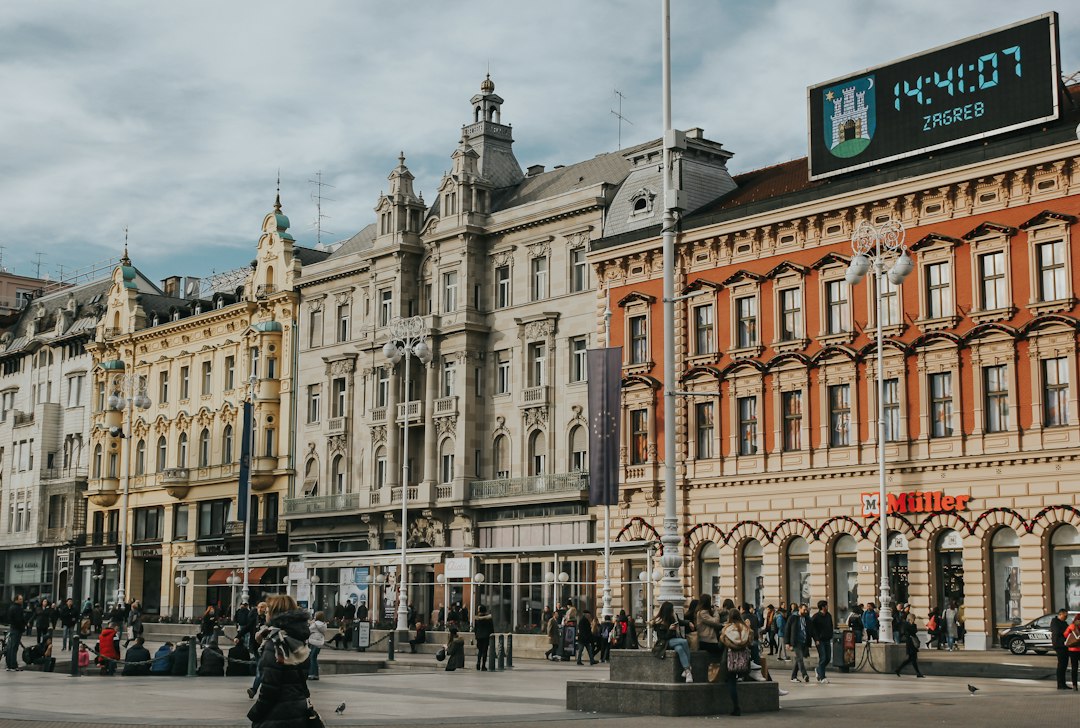
Why visit: Croatia’s capital offers cafés, museums, parks and Austro-Hungarian architecture, and it is the main inland base. Time needed: one to two days. Best for: city breaks, art and food. Zagreb’s trams run through narrow streets, so watch for them when crossing.
Zadar and Rijeka
Zadar is a coastal city with a historic peninsula and easy access to islands and parks. Rijeka is the main port of the northern coast. Each suits a day or two, and both work well as stops between regions.
Food and Cultural Destinations
Istria is known for truffles and handmade pasta, and the island of Pag is known for its sheep’s cheese. Slavonia in the east offers cured sausage and village hospitality. For living traditions, the town of Sinj hosts the Sinjska alka tournament on the first Sunday of August, and Dubrovnik marks the Festivity of St Blaise on 3 February. The Stari Grad Plain on Hvar is a UNESCO-listed ancient farmland landscape. Read more about regional dishes in our Croatia overview.
Frequently Asked Questions
What is the best place to visit in Croatia for first-timers?
Dubrovnik, Split and Plitvice Lakes are common first choices because they combine heritage, coast and nature. Which is best depends on your interests, season and how much time you have.
How many days do I need for Croatia’s main sights?
A week lets you see two coastal towns, one island and one national park at a relaxed pace. With ten days, add Istria or Zagreb. See our itinerary page for route ideas.
Are Croatia’s islands easy to visit?
Yes, ferries and catamarans link the main islands to Split, Dubrovnik and other ports. Schedules change by season, so always check the operator’s current timetable before planning connections.