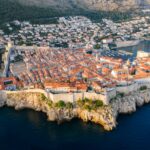
Croatia has two main climates, so the best time to go depends on where you plan to be. The coast and islands are Mediterranean, while Zagreb and the interior are continental. This guide explains the seasons, how conditions differ by region, and which months suit which kind of trip. For live weather, use your national weather service or the EU’s MeteoAlarm site, and treat the seasonal descriptions below as general guidance rather than official forecasts.
Quick answer: The best time to visit Croatia depends on region and plans. Late spring and early autumn usually balance warm weather with fewer crowds on the coast, while July and August suit swimming but are busiest. Zagreb and inland areas are pleasant in spring and autumn, and December suits Christmas markets.
Last checked: November 2026
Croatia’s Climate Zones
Coast and islands
The Adriatic coast, from Istria to Dubrovnik, has hot, dry summers and mild, wetter winters. The south is milder and rainier than the north in winter, and the southern coast stays warmer for longer into autumn. Sea swimming is most comfortable from about June to September.
Interior
Zagreb, Slavonia and the central highlands have cold winters and warm summers, with larger seasonal swings. Winter can be near freezing, and mountains such as Gorski Kotar can see snow. The highlands are cooler in summer, which suits hiking.
Month-by-Month Guide
December to February
The coast is quiet and many seasonal businesses are closed, but temperatures stay mild compared with inland Croatia. Zagreb is cold and holds Advent events. Dubrovnik marks the Festivity of St Blaise on 3 February. Many ferry and flight services run reduced timetables, so plan connections carefully.
March to May
Spring brings wildflowers and cooler seas. Sightseeing is comfortable, and crowds are lighter, though the sea is still too cold for many swimmers in March and April. Services expand as the summer season starts.
June to August
This is the peak season. Days are hot, the sea is warm, and ferries, hotels and beaches are at their busiest. Book accommodation and ferries early. The Sinjska alka takes place in Sinj on the first Sunday of August.
September to November
Early autumn is often warm with a still-swimmable sea and fewer people. By November, rain increases on the coast and some seasonal services stop. Inland, autumn colours are strong, especially around national parks.
Regional Differences
Istria and Kvarner are cooler in winter than Dalmatia. Dalmatia and the southern islands stay warmest, and southern waters are comfortable for swimming from about May to October. Zagreb and Slavonia follow a continental pattern, so pack for cold in winter and heat in summer. The Dinaric mountains behind the coast can be much cooler and wetter than the shore.
Festivals, Holidays and Crowds
Festivals vary through the year. Major examples include St Blaise in Dubrovnik on 3 February and the Sinjska alka in early August, both on UNESCO’s intangible heritage lists. Public holidays and school holidays affect prices and crowds, but dates change, so check the official calendar for your travel year. Ramadan has no special effect on travel in Croatia, though dates in your own country may matter for flights.
Peak season is summer, especially July and August, when prices and crowds are highest on the coast. Shoulder seasons (May, June, September) are popular with travellers who want warm weather without peak crowds. Low season is winter, when attractions may have shorter hours.
What to Pack
- Summer: light clothes, sun protection, swimwear, and shoes with grip for wet stone streets.
- Spring and autumn: layers, a rain jacket and comfortable walking shoes.
- Winter: a warm coat for Zagreb and the highlands, plus waterproofs on the coast.
- Driving in winter: winter equipment can be required on signed road sections, so check the Croatian Automobile Club for current rules.
Best Season by Travel Style
- Beach and swimming: late June to early September.
- Sightseeing and walking: April to June and September to October.
- National parks: spring and autumn for cooler walking, with summer busier.
- City breaks: Zagreb in spring, autumn or December.
- Budget travel: shoulder and low seasons.
Check UK FCDO advice for Croatia for weather-related warnings such as summer storms.
Frequently Asked Questions
When is the warmest sea in Croatia?
The sea is typically warmest in July and August, and the southern coast near Dubrovnik stays warm longest. Swimming is generally comfortable from about May or June to October in the south.
Is Croatia worth visiting in winter?
Yes, for city breaks and Christmas markets in Zagreb, and for quiet coastal towns. Expect cold weather inland, reduced ferry and flight schedules, and some closed seasonal businesses on the coast.
When is Croatia cheapest and quietest?
Prices and crowds are usually lowest from November to March and lower in the shoulder months of May, June and September. Peak July and August bookings are the most expensive and need the earliest booking.