Nepal can be visited in every month, but the experience changes sharply with altitude and season. This guide breaks the year into seasons and months, compares the main regions, and explains how festivals, trekking goals and budgets should shape the date you choose.
Quick answer: For most travellers the best months are October and November, when the monsoon has cleared and mountain views are sharpest. March and April come second, with warm days and flowering hillsides. The monsoon runs roughly from June to September, and winter is cold at altitude but dry and quiet in the lowlands.
Last checked: November 2026
Nepal’s Four Seasons at a Glance
Autumn: October and November
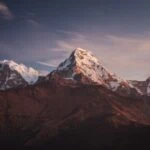
This is peak season for good reason. The summer rains wash the air clean, trails dry out, and the high peaks stand sharply against blue skies. Days in Kathmandu and Pokhara are comfortably warm, evenings turn cool, and rain is rare, especially by November. The season also contains Dashain and Tihar, the two biggest family festivals, so accommodation and domestic transport fill early.
Winter: December to February
Winter is dry, crisp and much quieter. Kathmandu has cold mornings and sometimes valley fog, while the southern plains stay mild enough for wildlife viewing. Snow closes high passes and makes trekking above about 4,000 metres difficult without proper equipment, but lower routes remain walkable and views are often clear once the haze lifts.
Spring: March to May
Temperatures rise quickly in March. Rhododendron forests bloom in the hills through March and April, giving lower treks a splash of red and pink. By May the heat builds in the valleys and a hazy sky can soften mountain views, with the first pre-monsoon storms arriving in the afternoons.
Monsoon: June to September
Warm, humid and green, the monsoon brings heavy rain to most of the country, though showers often come in the afternoon or overnight rather than all day. Roads and trails can be slow, leeches appear on lower paths, and clouds hide many peaks. In return you get lush scenery, fewer visitors and lower prices in the main tourist hubs.
Month-by-Month Conditions
- January: coldest month in Kathmandu, clear but chilly mornings, good lowland wildlife viewing.
- February: warming slowly, early blossoms, still cold in the mountains.
- March: spring begins, Holi and rhododendron blooms, increasingly popular for trekking.
- April: warm and busy on the trails, occasional haze, Nepali New Year in mid-month.
- May: hot in the valleys, very hot in the western plains, storms start to build.
- June: the monsoon arrives and humidity climbs.
- July: usually the wettest month, especially around Pokhara.
- August: rain continues, landscapes at their greenest.
- September: showers ease late in the month and the first clear mountain days return.
- October: widely seen as the best month, with Dashain usually falling here.
- November: very little rain, cool nights, Tihar lights and steady trekking weather.
- December: cold, clear and calm, with the quietest trails of the dry season.
How the Best Time Changes by Region
Kathmandu Valley
At around 1,300 metres, the valley works all year. Sightseeing is easiest in October to November and from February to April. Summer afternoons can be sticky and wet, but temples and old streets stay open, and an umbrella solves most problems.
Pokhara and the Annapurna Foothills
Pokhara sits under the Annapurna range and receives far more rain than Kathmandu, close to 900 millimetres in July by common estimates (published figures differ). Lake views and paragliding are best from October to April. Treks around Annapurna favour autumn and spring for clear weather.
Chitwan and the Southern Plains
The Tarai is best from roughly October to March, when days are warm rather than hot and tall grass is cut back, which helps wildlife spotting. April to June can be extremely hot, with heat waves reported in the west during May, and July to September is wet and humid.
High Himalaya and Rain-Shadow Areas
Everest and Annapurna treks are most reliable in autumn and spring. Rain-shadow areas such as Upper Mustang and Dolpo receive far less monsoon rain and are sometimes chosen for summer journeys, though weather there still changes quickly.
Festivals and Public Holidays
Nepali festivals follow lunar calendars, so dates move each year; check the current calendar when you plan. Dashain, usually in October, is the longest and most important Hindu festival, and many offices and shops close while families travel home. Tihar follows a few weeks later with lamps and flower garlands. In spring, Holi brings colour in the streets, and Buddha Jayanti marks the Buddha’s birth around May. Expect busy buses and higher fares during the big holidays.
Peak and Low Season
Peak season is October to November, with March to April as a strong shoulder. Book flights to Lukla, popular lodges and permits well ahead for those windows. Low season runs through the monsoon, when rooms are cheaper and sights are quieter, and again in deep winter at altitude. The Nepal Tourism Board’s official tourism site gives general seasonal guidance for planning.
Best Season by Travel Style
- Classic first trip: October to November, or March to April.
- Trekking: mid-October to mid-November, or late March to April.
- Wildlife safari: October to March.
- Budget travel and green scenery: June to September.
- Quiet cultural visit: December to February in the valley.
What to Pack
Layers matter more than any single item. Bring a warm jacket for evenings and early mornings, sun protection for high altitude, and sturdy shoes for uneven paths. In the monsoon add a light rain jacket, quick-dry clothing and insect repellent. For winter treks, thermal layers and a proper sleeping bag are worth the weight. Check the forecast on the Department of Hydrology and Meteorology forecast pages before heading into the hills, because mountain weather changes fast.
Frequently Asked Questions
What is the best month to visit Nepal?
October is often named the best single month, combining clear skies, comfortable temperatures and festival atmosphere. November is nearly as good, with even less rain and cooler evenings.
Is the monsoon a bad time to visit Nepal?
It is wetter and cloudier, but not unusable. Rain often falls in the afternoon, cities remain open, and prices drop. Mountain views and trekking are the main things you give up.
When should I trek to Everest or Annapurna?
Aim for autumn from mid-October to mid-November, or spring from late March to April. These windows offer the steadiest weather, though they are also the busiest, so book early.
When is the best time to see wildlife in Chitwan?
From October to March, when the weather is mild and vegetation is thinner. Summer is hot and wet, and visibility in the tall grass is poor.
Does the best time differ by region?
Yes. Kathmandu works year-round, Pokhara is rainier in summer, the southern plains are best in the cool months, and rain-shadow valleys such as Upper Mustang can suit summer travel.