Nepal packs ancient cities, sacred sites, jungle and the world’s highest mountains into a country that is smaller than many visitors expect. This guide groups ten of the best places by type and, for each one, explains why to go, how much time to allow and who will enjoy it most.
Quick answer: First-time visitors usually combine the Kathmandu Valley’s World Heritage monuments with Pokhara for lakes and mountain views, add Chitwan for wildlife or Lumbini for pilgrimage history, and choose a trek in the Annapurna or Everest region if they have a week or more. Pick two or three areas rather than rushing through all ten.
Last checked: November 2026
Historic and Spiritual Sites of the Kathmandu Valley
The valley is home to a UNESCO World Heritage property made of seven monument zones, including three royal squares and several of Nepal’s holiest temples and stupas, as described on the UNESCO World Heritage page for the Kathmandu Valley. Several monuments were damaged in the 2015 earthquake, and restoration work continues, so some structures may be scaffolded when you visit.
Boudhanath Stupa
Boudhanath is one of the largest stupas in the world and the centre of Tibetan Buddhist life in Kathmandu, with pilgrims circling its white dome from dawn until after dark.
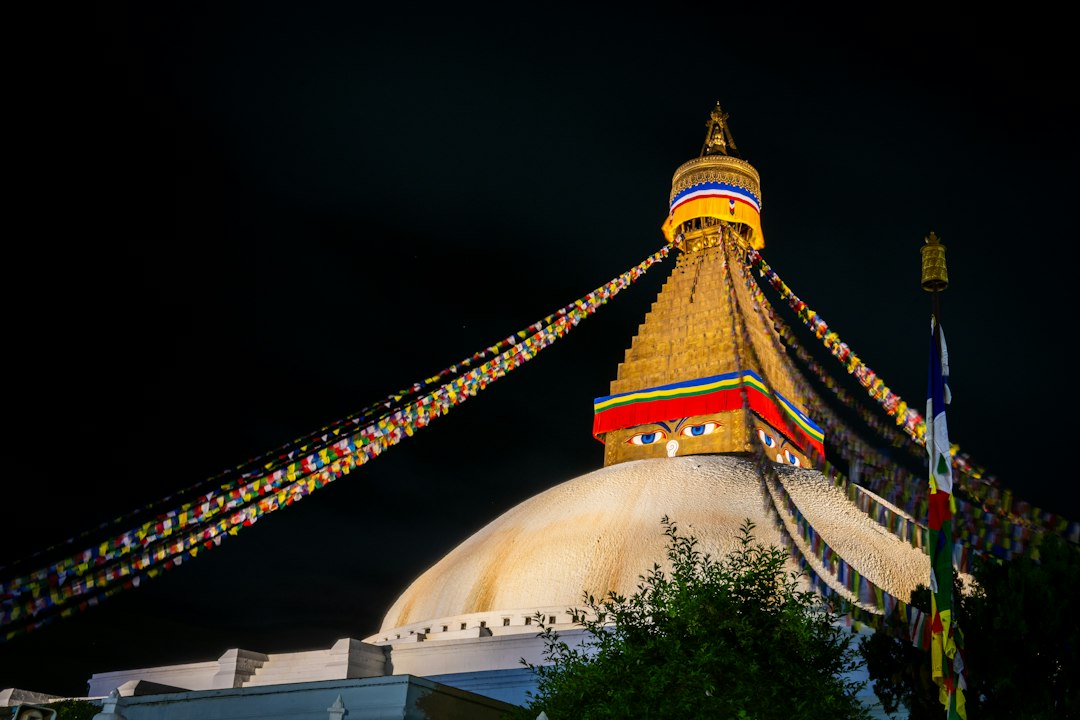
Walk the circuit clockwise, browse the monasteries and rooftop cafés around the base, and return at dusk when butter lamps are lit. Allow one to two hours. It suits travellers who enjoy atmosphere, photography and quiet observation. It lies in the north-east of the city and is easy to reach by taxi; check current entry arrangements for foreign visitors on arrival.
Pashupatinath Temple
Pashupatinath is Nepal’s most important Shiva temple, a cluster of shrines, ghats and ashrams beside the Bagmati River where Hindu rites of passage unfold in public view.
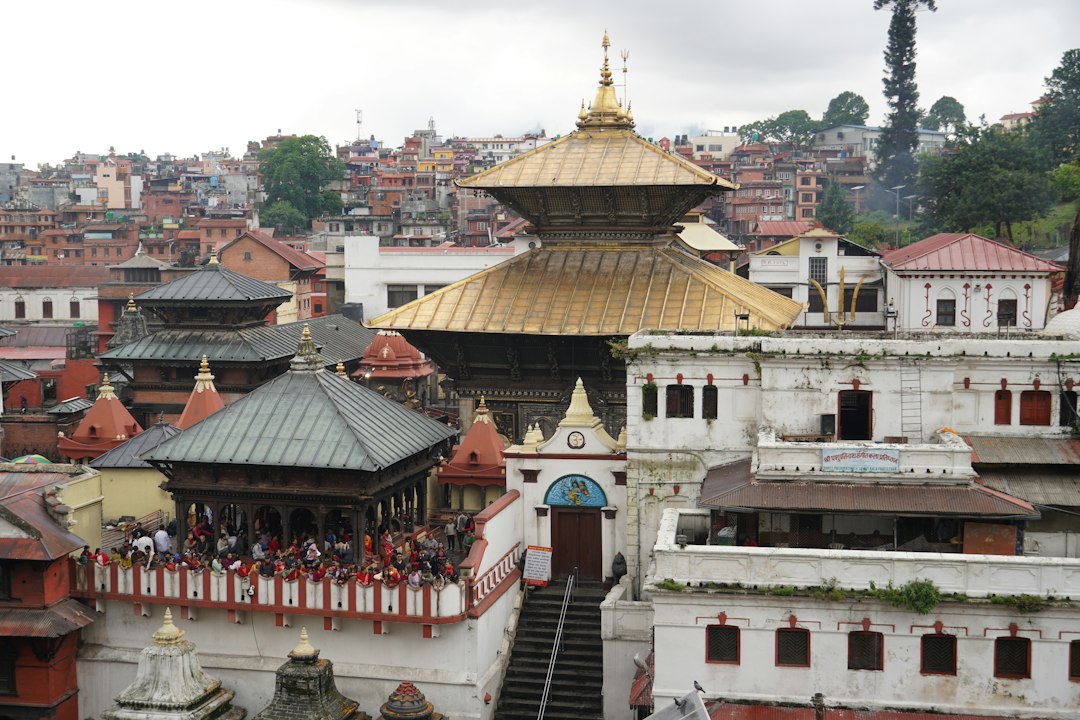
Visitors can walk the riverbanks and viewpoints, watch evening rituals and see sadhus in colourful dress. Allow about two hours. The main inner temple is open to Hindus only, and cremations take place at the ghats, so keep a respectful distance and ask before taking photographs. It is best for travellers interested in living religion rather than quick sightseeing.
Swayambhunath
Swayambhunath crowns a green hill on the western edge of Kathmandu, a stupa complex whose painted eyes look over the valley and the city below.
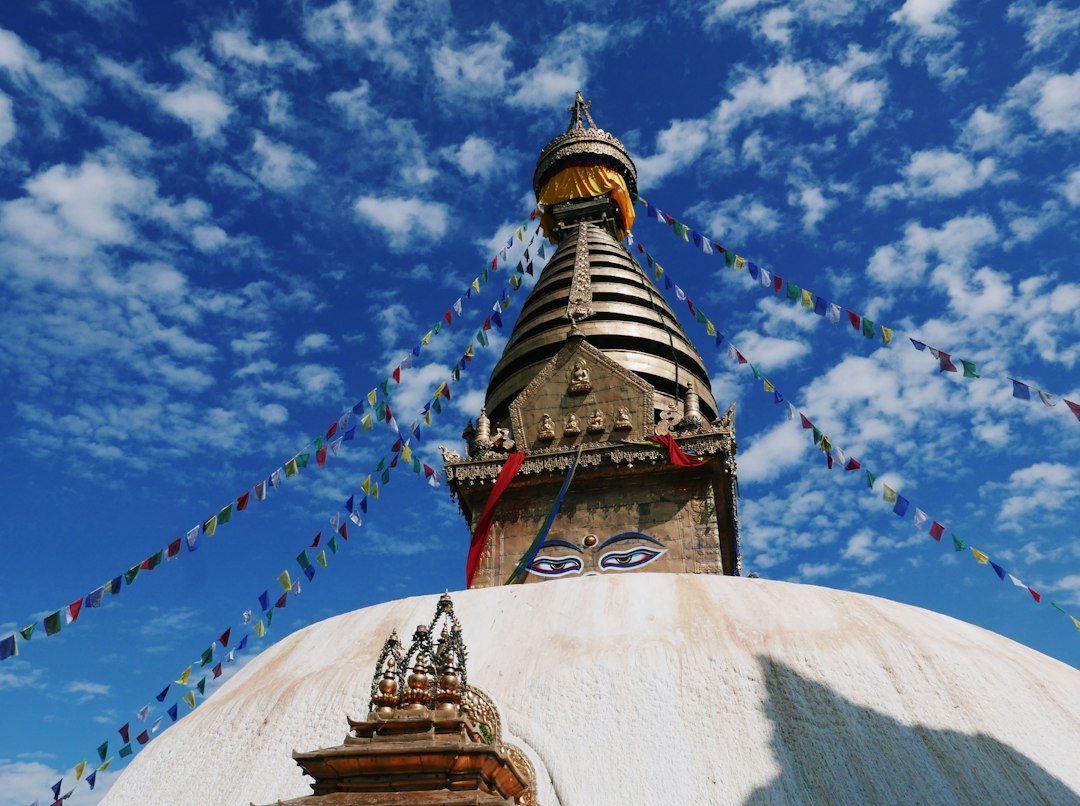
A long stone stairway leads to prayer wheels, small shrines and viewpoints, and macaques roam the grounds, so keep food and loose items out of reach. Allow one to two hours, ideally in the morning or late afternoon. It suits families and photographers, and it pairs well with a half-day in the old city.
Patan Durbar Square
Patan Durbar Square, in the city of Lalitpur, is a compact open-air museum of red-brick temples, carved windows and royal courtyards built by Newar artisans.
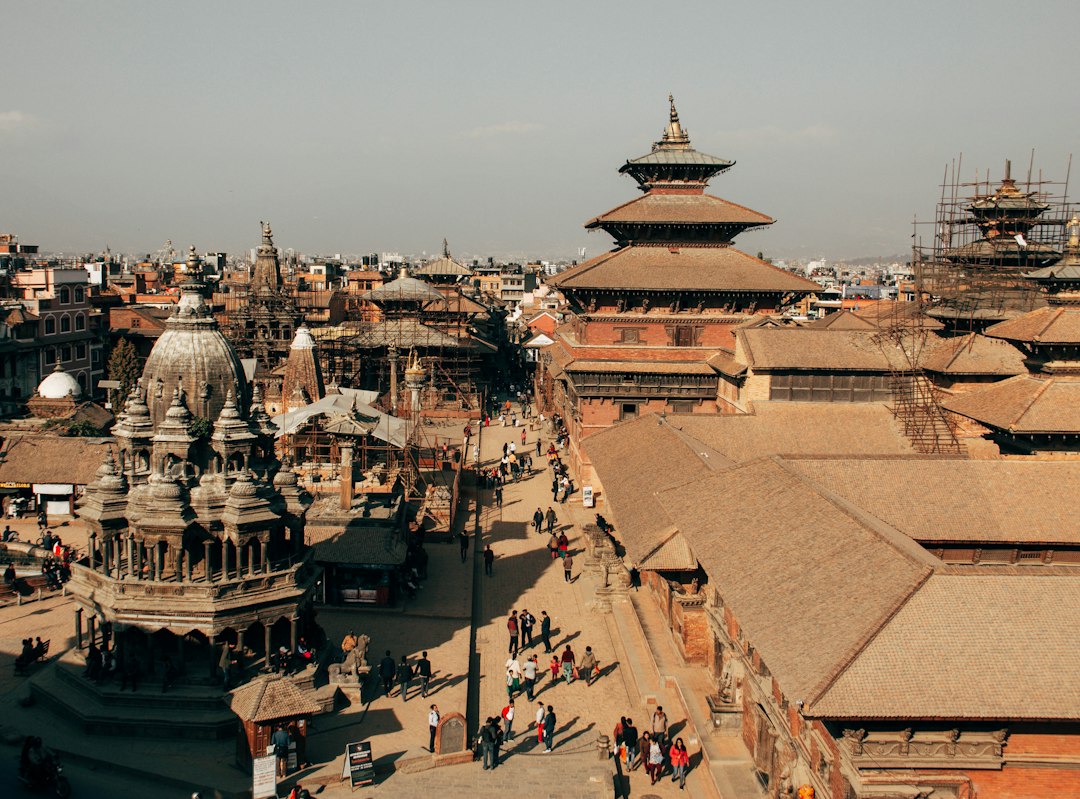
Highlights include the former palace, now a museum, nearby temples and the surrounding craft workshops where metal statues and thangka paintings are made. Allow half a day. It is best for art lovers and travellers who like to browse crafts. Patan is a short taxi ride south of central Kathmandu, and the lanes around the square are ideal for slow walking.
Bhaktapur Durbar Square
Bhaktapur Durbar Square sits in the best-preserved medieval town of the valley, where pottery, woodcarving and brick lanes still shape everyday life.
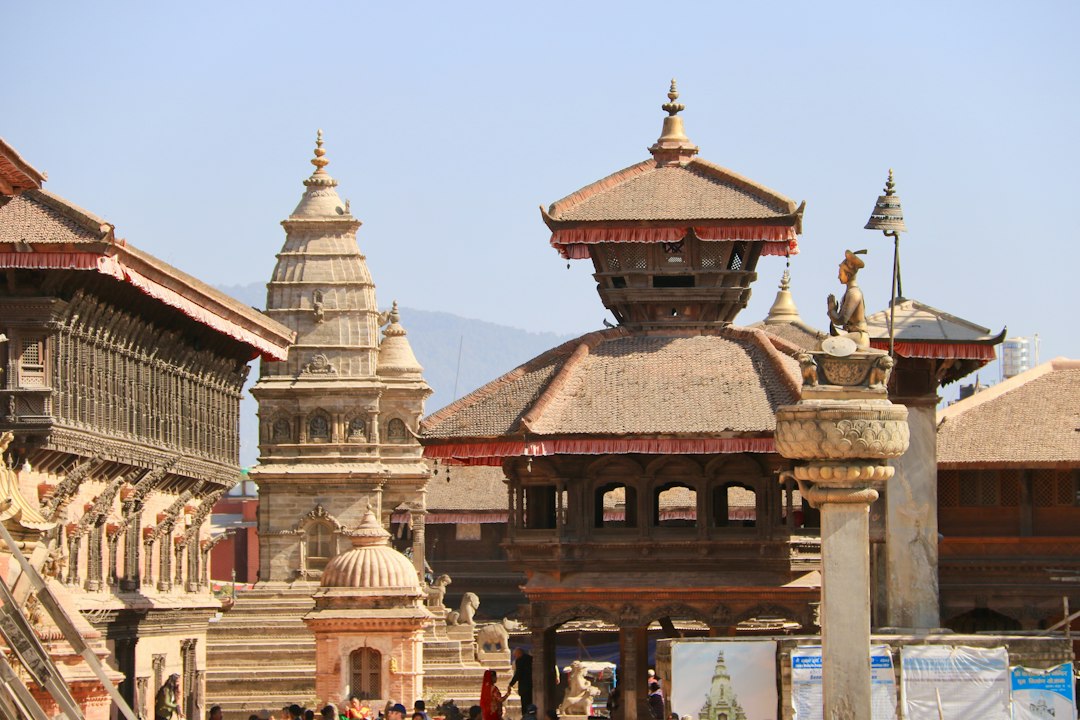
Spend time in the nearby Pottery Square, look for carved peacock windows and try juju dhau, the creamy local yoghurt, which makes the town a good stop for food lovers too. Allow half a day to a full day. Foreign visitors are normally asked to buy an entry ticket for the old town, so confirm the current arrangement at the gate. It suits history fans and anyone who wants a calmer alternative to central Kathmandu.
Major Cities and Lakes
Pokhara
Pokhara is a relaxed lakeside city in the hills, built around Phewa Lake with the Annapurna range filling the northern skyline on clear mornings.
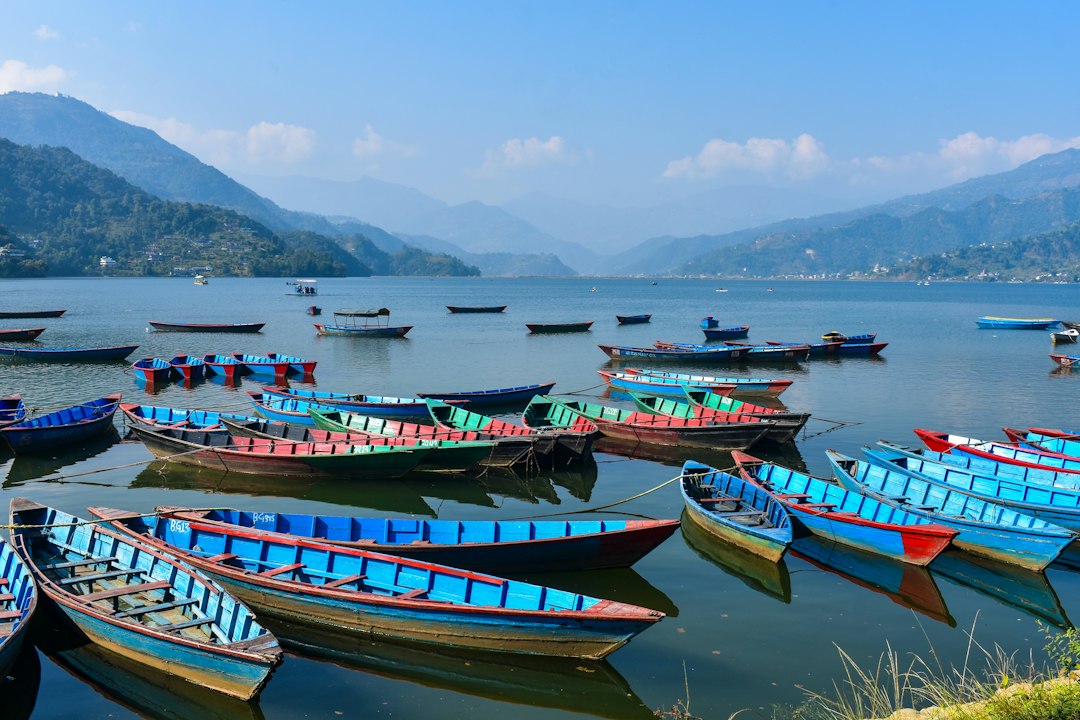
Popular activities include rowing on the lake, paragliding from the hills above, viewing sunrise from nearby ridges and visiting the World Peace Pagoda. It is also the main base for Annapurna treks. Allow two to three days, longer if you plan to trek. It is best for travellers who want scenery, easy cafés and adventure activities. Pokhara is linked to Kathmandu by road and by short domestic flights.
National Parks and Outdoor Adventures
Chitwan National Park
Chitwan National Park protects subtropical forest and grassland in the southern plains and is Nepal’s best-known place to watch wildlife.
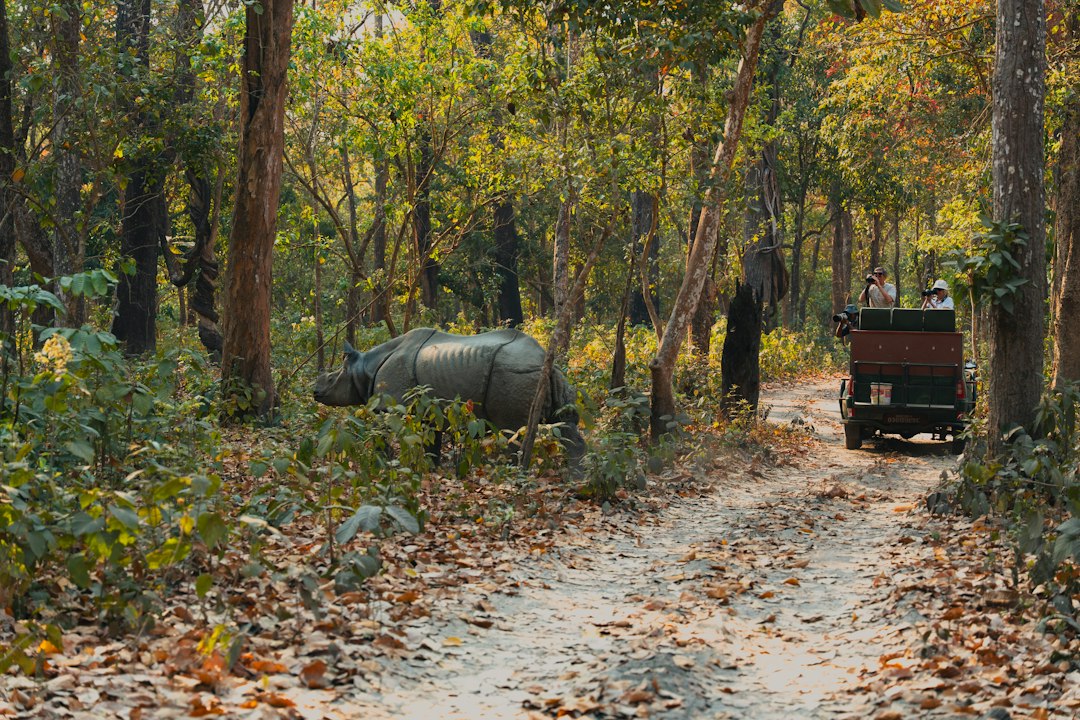
The park, a UNESCO natural World Heritage site since 1984, is known for one-horned rhinoceroses, deer, crocodiles and rich birdlife, with tigers present but rarely seen. Activities include guided jungle walks, jeep safaris and canoe trips, usually arranged through lodges. Allow two to three nights between October and March, when conditions are cooler. It suits families, wildlife lovers and anyone who wants a warm-weather break between mountain stops.
Lumbini
Lumbini, in the southern plains, is the traditional birthplace of the Buddha and a quiet pilgrimage landscape of temples, gardens and monasteries.
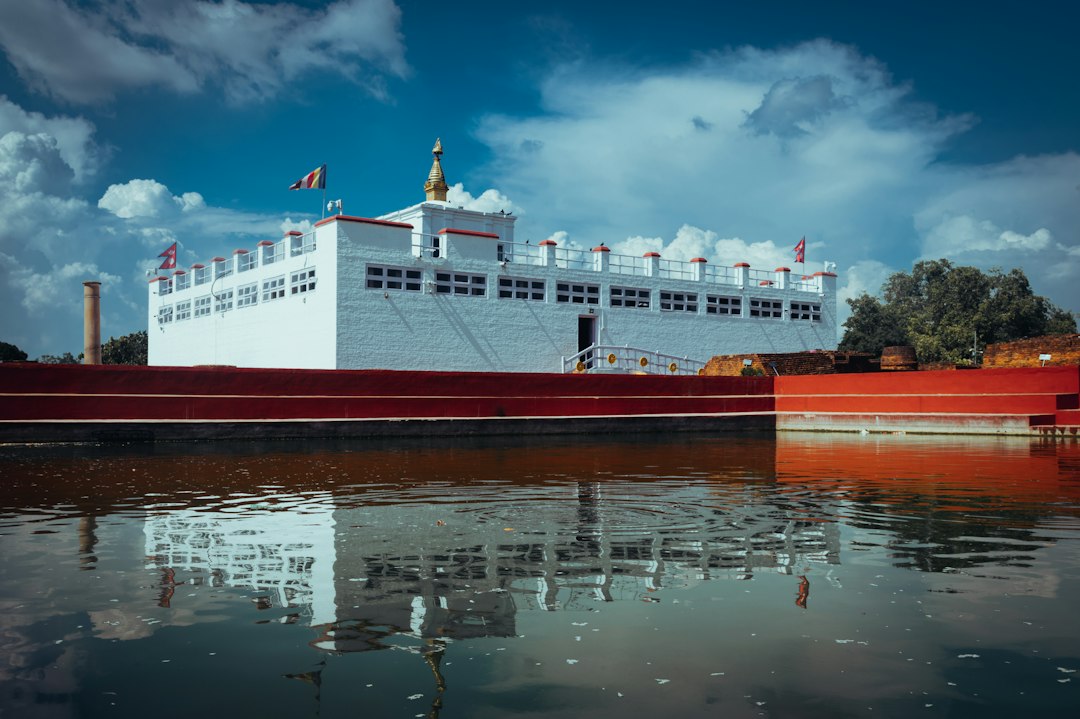
The UNESCO-listed site includes the Maya Devi Temple, the sacred garden and a large area of monasteries built by Buddhist communities from different countries, best explored by bicycle or rickshaw. Allow one to two days. It is best for pilgrims, history enthusiasts and travellers seeking a slower pace. Lumbini can be reached by road or a short flight to nearby Bhairahawa, and the monastery zone is spread out, so plan transport in advance.
Annapurna Region
The Annapurna region is a trekking heartland north of Pokhara, where terraced villages, rhododendron forests and glaciated peaks sit within a few days’ walk.
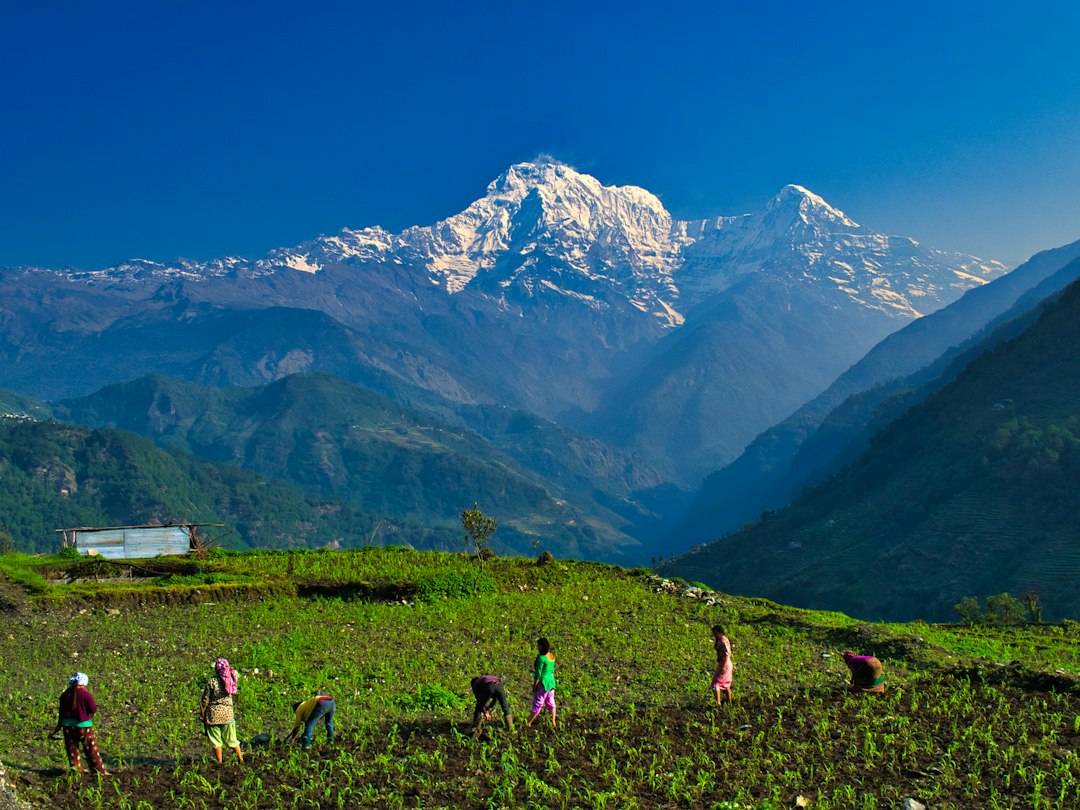
Short routes such as the Poon Hill trek take around four to five days, while Annapurna Base Camp and the longer circuit routes need a week or more. Tea houses provide meals and beds along the way. Permits are required for the conservation area, so arrange them through a licensed agency or the official counters. It is best for walkers of all levels who want varied scenery with comfortable village stops, ideally in autumn or spring.
Everest Region
The Everest region, protected as Sagarmatha National Park, is the high-altitude home of Sherpa villages, monasteries and the approach to the world’s tallest mountain.
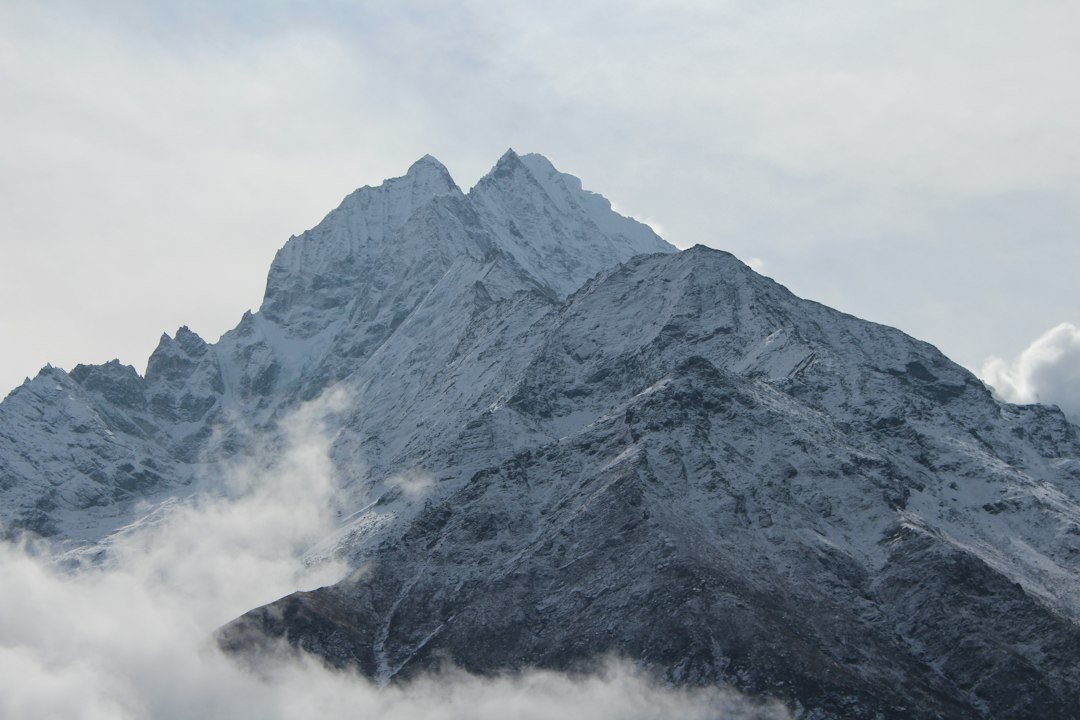
The classic Everest Base Camp trek usually takes around two weeks including acclimatisation days, typically starting with a flight to Lukla. Namche Bazaar and the Tengboche monastery are favourite stops. Altitude demands slow pacing, good insurance and flexibility, because flights can be delayed by weather. It suits fit, well-prepared trekkers who want a classic Himalayan journey, with October to November and March to April the most reliable windows.
How to Choose Where to Go
- Culture and history: Kathmandu Valley, Bhaktapur and Lumbini.
- Scenery without trekking: Pokhara and short viewpoint walks.
- Wildlife: Chitwan National Park, October to March.
- Serious trekking: Annapurna or Everest regions in autumn or spring.
- Food lovers: Bhaktapur and Patan for Newar dishes, plus Kathmandu’s momo shops.
For seasonal timing, see the guide to the best time to visit, and use the Nepal Tourism Board website for general planning information.
Frequently Asked Questions
What is the best place to start in Nepal?
Most visitors start in Kathmandu, using the valley’s stupas, temples and royal squares as an introduction before moving on to Pokhara, Chitwan or a trek.
How many days do I need for the main sights?
Three days cover the Kathmandu Valley highlights. Add two or three for Pokhara, two to three nights for Chitwan, and a week or more if you want to trek.
Is Pashupatinath open to tourists?
The riverside grounds and viewpoints are open to visitors, but the main inner temple is reserved for Hindus. Behave respectfully around cremations and ask before photographing people.
Which place is best for families?
Chitwan, Pokhara and Swayambhunath work well for families, offering easy activities, gentle walks and clear highlights without long journeys.