The best time to visit Namibia for most travellers is the dry season from May to October, when days are sunny, nights are cool and wildlife gathers at waterholes. The green season from November to April brings rain, lush scenery and fewer visitors. The ideal month changes by region, because the coast, plateau, south and northeast behave very differently.
Last checked: November 2026
Namibia sits in the southern hemisphere, so its winter falls between June and August. Rainfall is low across the country, but most of it arrives in a single summer season, and temperatures swing sharply between day and night. The sections below explain what each period feels like in practice, and which type of trip suits which month.
Understanding the seasons
Climate data published by the World Bank’s Climate Knowledge Portal puts the national average at about 20.6°C, with monthly means ranging from roughly 16°C in the coolest winter months to about 24°C in summer, and annual precipitation near 269 mm. Those averages hide huge differences between places, so use them only as a starting point.
Dry season (May to October)
This is the classic safari window. Skies are clear, humidity is low, and vegetation thins out, which makes animals easier to see. Natural water sources dry up, so elephants, zebras and predators concentrate around permanent waterholes, especially in Etosha. Mornings and evenings are properly cold, particularly on the central plateau and in the desert, so pack warm layers for early drives. The trade-off is that these months are the busiest, and lodges in popular areas fill up early.
Green season (November to April)
The first rains usually arrive between November and December, and the landscape turns green within weeks. Birdlife peaks as migrants arrive, the light is dramatic, and prices at some lodges fall. Afternoon thunderstorms can make gravel roads slippery, and flash floods can cut off low-lying crossings. Heat is intense in the south, in the desert and in the Etosha pan region, where daytime highs regularly pass 35°C.
Regional differences
- Coast (Swakopmund, Walvis Bay): Cooled by the Atlantic current, the coast stays mild all year and is often shrouded in morning fog. Rain is almost absent, so it works in any month, but bring a jacket even in summer.
- Central plateau (Windhoek): Sunny almost every day, with a clear summer rainy season peaking from January to March and bitterly cold dawns in winter.
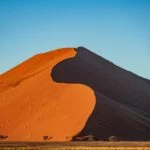
- Namib Desert (Sossusvlei): Extreme heat in summer and cold nights in winter. Winter and spring offer the most comfortable dune climbs.
- South (Fish River Canyon, Lüderitz): Very hot from late spring to early autumn. Cooler months are better for hiking and viewpoints.
- North and northeast (Etosha, Zambezi Region): The northeast receives much more rain than the rest of the country and stays humid through summer. Etosha is best in the dry season for animals and in the green season for scenery and birds.
Month-by-month summary
The monthly notes below summarise typical conditions rather than forecasts, and individual years vary a lot.
- January and February: Hot and wet inland, with storms and green landscapes. A quiet time for visitors and good for birders.
- March: Rains begin to ease. Independence Day on 21 March brings parades and celebrations in towns.
- April: A transition month, with drier roads, fading heat and wildflowers. Many travellers consider it an underrated time.
- May: Dry weather settles in, nights cool down and the hiking season in the south normally begins.
- June and July: Peak winter, with cold mornings, clear days and excellent wildlife viewing.
- August: One of the busiest months. Dry and sunny, though winds can pick up in the desert.
- September: Warming quickly, with strong game viewing. Temperatures rise noticeably towards the end of the month.
- October: Hot and dry, with animals still concentrated at waterholes. Many consider this the best month for photography at water points.
- November: The start of rain in some areas, with a build-up of heat and humidity.
- December: Hot, with rains arriving in many regions and a busy domestic holiday period.
Public holidays and busy periods
National public holidays include Independence Day on 21 March and Heroes’ Day in late August. Domestic school holidays, especially around December and January, mean more Namibian and South African families on the roads and at coastal resorts, so book accommodation early for those weeks. Ramadan has little effect on travel in most of the country. Since the exact holiday dates shift from year to year, confirm them close to your trip.
Best season by travel style
- Wildlife safari: June to October, when animals depend on waterholes.
- Photography and landscapes: April to May for green hills and soft light, or the dry months for clear skies.
- Birdwatching: November to March, when migrants arrive and wetlands fill.
- Hiking: The cooler months from roughly May to September.
- Budget travel: The green season, when rates and crowds drop.
- Self-drive trips: The dry season, when gravel roads are firm and daylight is predictable.
What to pack by season
In winter, bring warm layers, a hat, gloves and a windproof jacket for dawn drives, then lighter clothes for the afternoon. In summer, pack breathable fabrics, sun protection, plenty of water bottles and a light rain jacket. Year-round, closed shoes, sunglasses and a dust-proof bag for your camera are worth having. Because conditions change quickly near the coast, a thin fleece is useful there in every month.
Conditions inside parks can shift with weather and seasonal management, so check the latest details on the Namibia Wildlife Resorts website before you leave.
Best time FAQs
What is the cheapest time to visit Namibia?
The green season from November to April is usually cheaper, with some lodges offering lower rates. The trade-off is heat, rain on gravel roads and thinner wildlife viewing in some parks, so weigh savings against the experience you want.
Is Namibia too hot in summer?
Inland and southern areas can be very hot between December and February, often passing 35°C. The coast stays cooler, and early mornings are pleasant. Plan activities for dawn and late afternoon, and avoid long drives in the middle of the day.
When is the best time for Etosha?
The dry months, roughly June to October, are best for seeing animals at waterholes. The green season is better for scenery and birds but makes wildlife harder to spot and some roads muddier, so decide which matters more.
Does it rain all year in Namibia?
No. Most areas are dry from about May to October, and the heaviest rain falls between December and March. The coast is almost rainless, while the northeast receives the largest totals during the summer season.