The best places to visit in Namibia are Sossusvlei for dunes, Etosha National Park for wildlife, Fish River Canyon for scale, Swakopmund and Walvis Bay for the coast, Twyfelfontein for rock art and Windhoek as the practical gateway. Most are a full day’s drive apart, so choose a few and give each enough time.
Last checked: November 2026
Namibia rewards depth over quantity. Between the highlights lie long gravel roads, empty plains and the odd fuel stop, and the distances are the main reason itineraries fail. The places below are grouped by what they offer, with a suggested stay for each. The time suggestions are planning judgments based on typical driving distances, not official figures, so adjust them to your pace and season.
Natural wonders
Sossusvlei and Deadvlei
Why visit: This is the desert of postcards. Giant apricot-coloured dunes surround a white clay pan, and at Deadvlei the black skeletons of ancient camel thorn trees stand against the sand. Dune 45 and Big Daddy are the best-known climbs, and sunrise light is the main reason people rise in the dark.
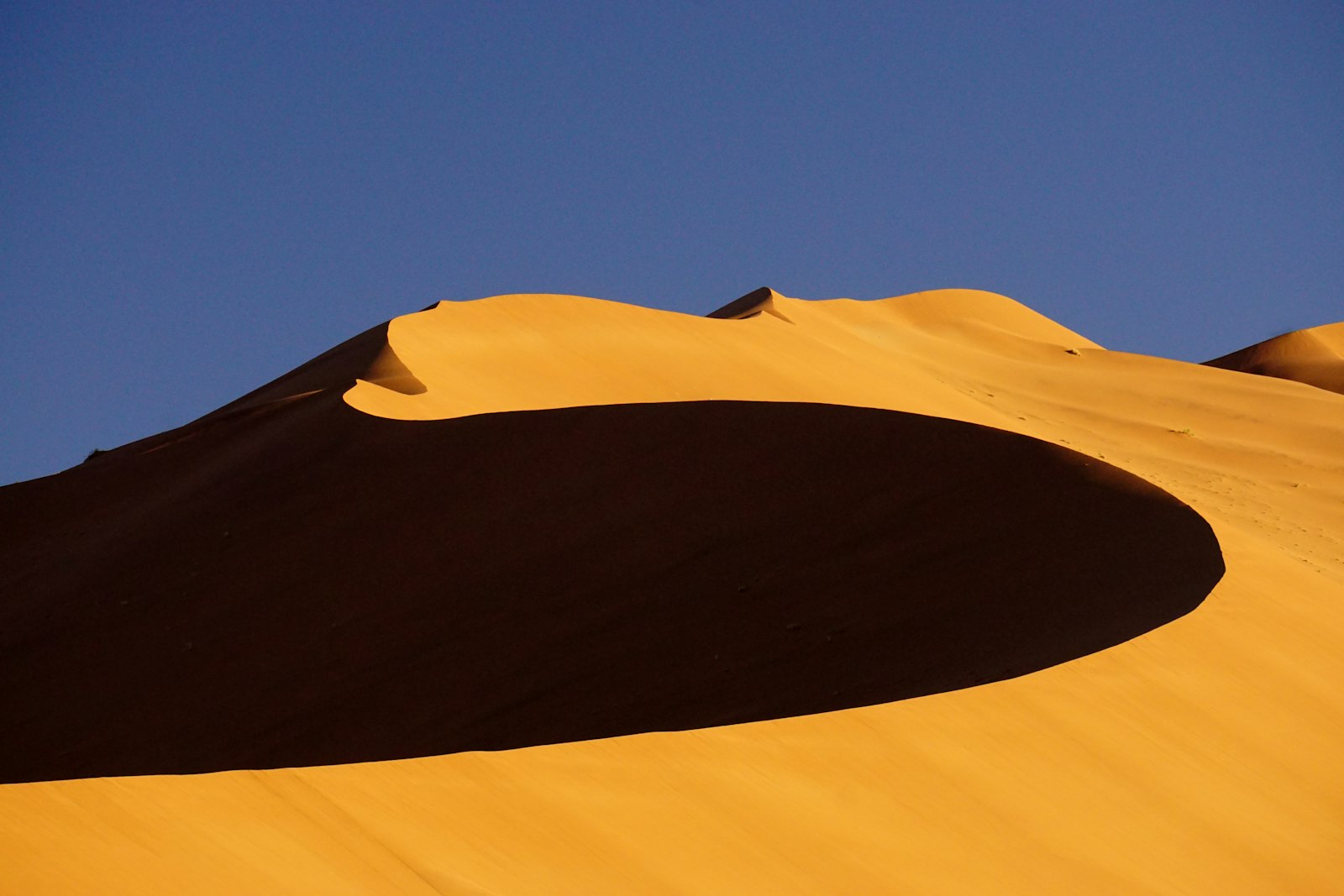
Time needed: Two nights close to the park gate, so you can enter early on one morning and rest in the heat of the day. Best for: photographers, hikers and anyone who enjoys wide open scenery. Access: The dunes sit inside the Namib-Naukluft Park, and entry times follow daylight hours, so confirm current gate times and permits with Namibia Wildlife Resorts before you travel. The last stretch to the pans is sand, so many visitors take the park shuttle or a 4×4.
Fish River Canyon
Why visit: The canyon in the far south is among the largest on the continent, a vast, winding gorge that you can admire from several viewpoints near Hobas. Hot springs at Ai-Ais, further south, offer a welcome soak after a day’s drive.
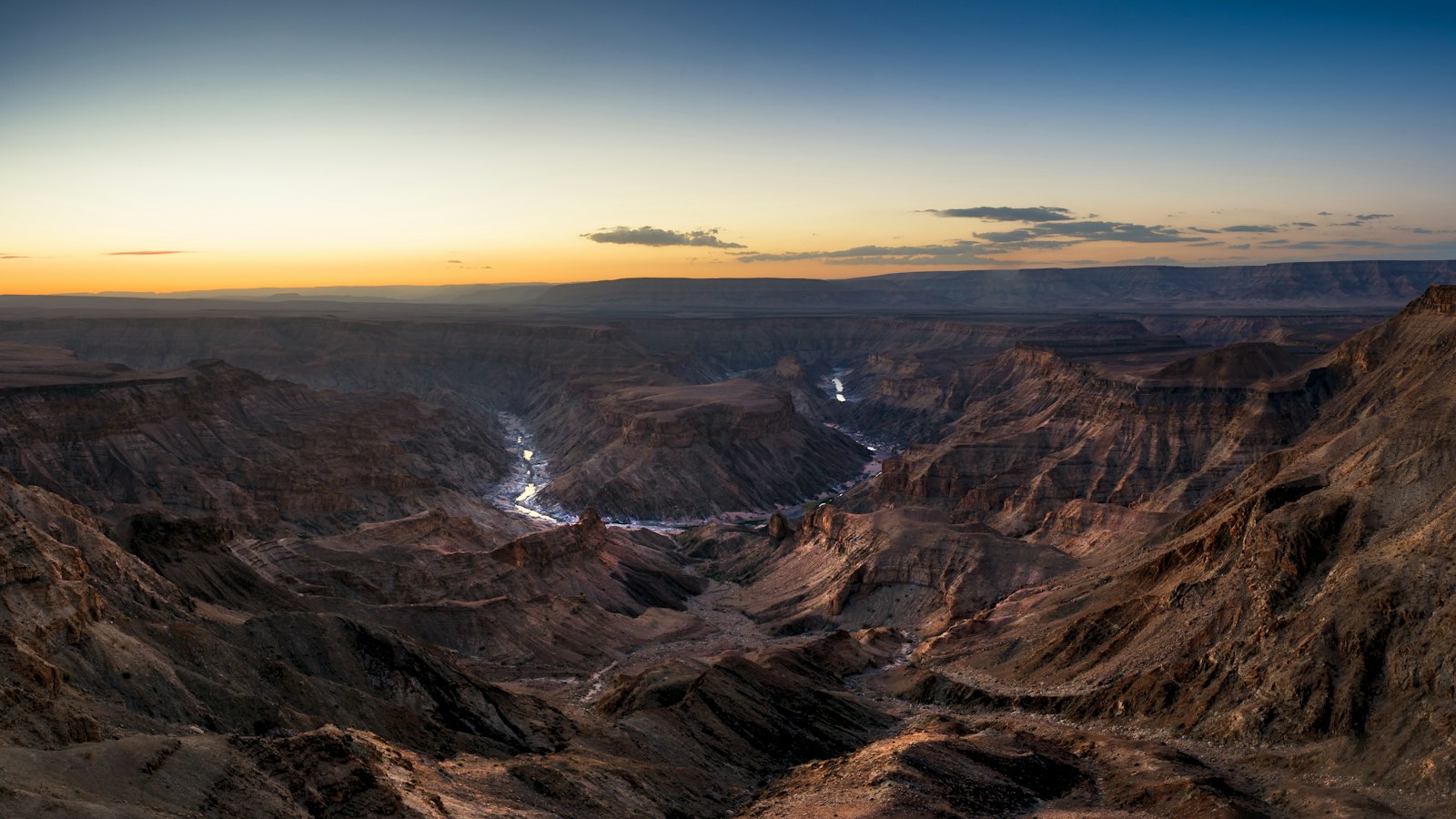
Time needed: One night is enough for the viewpoints, but allow extra driving days because the canyon sits far from most other highlights. Best for: road-trippers and serious hikers. Access: The multi-day hiking trail normally runs only through the cooler months, roughly May to mid-September, and requires advance booking. Closures do occur: in 2026 the trail was shut after flooding and reopened on 17 July, according to a notice from the resort operator. Always check the latest announcements on the Namibia Wildlife Resorts news page before planning a hike.
Spitzkoppe
Why visit: Granite peaks rise suddenly from the plain, with natural rock arches and boulder-strewn camping spots that make excellent sunset and night-sky vantage points.
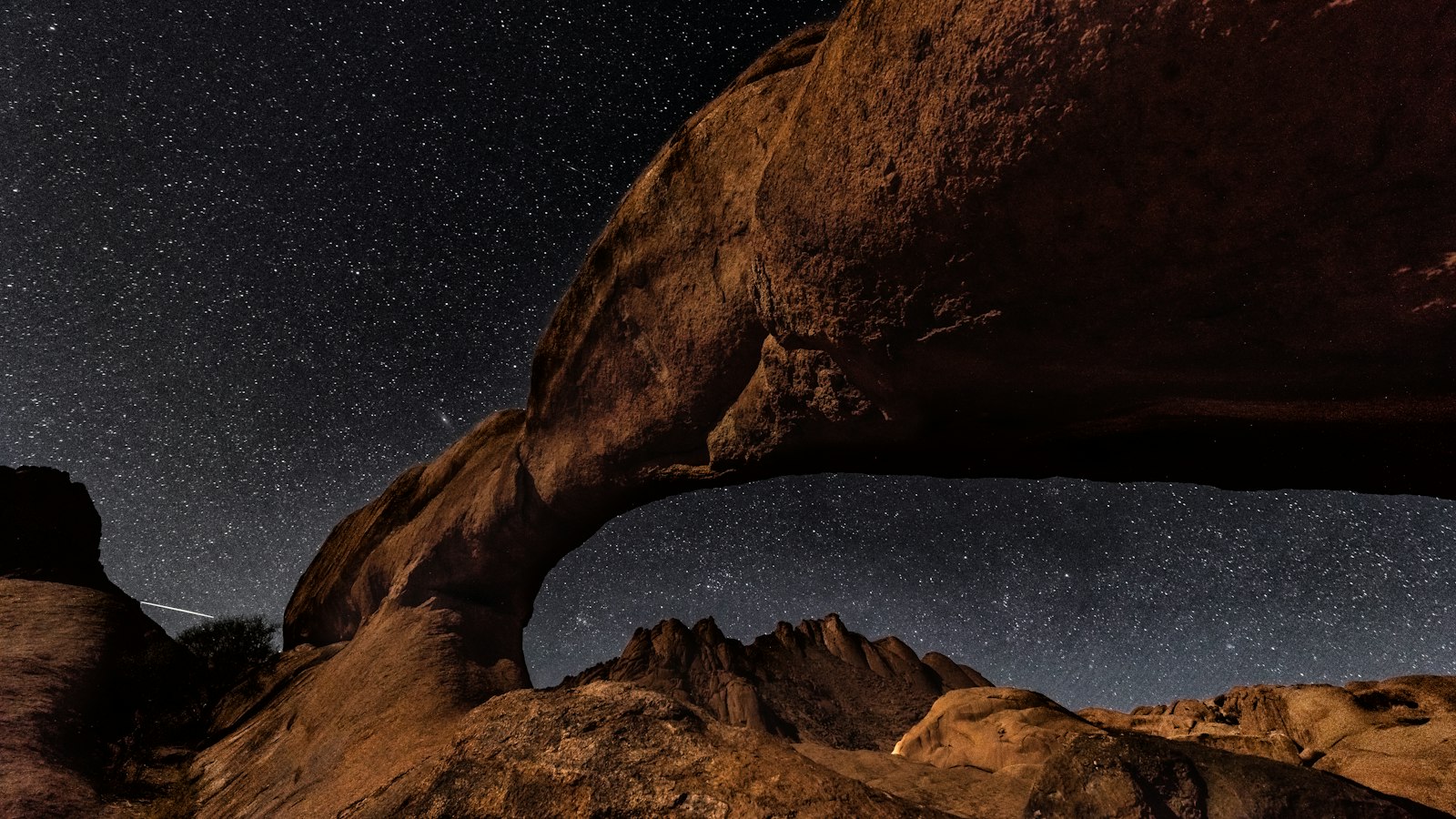
Time needed: One night. Best for: campers, climbers and stargazers. Access: Reached by gravel road from the main routes near Usakos and Henties Bay; allow daylight for the final stretch and carry water.
National parks and wildlife
Etosha National Park
Why visit: Etosha is Namibia’s signature safari destination. A huge salt pan lies at its heart, and waterholes close to the rest camps draw elephants, lions, giraffes, zebras and, with luck, black rhinos, especially in the dry season when animals depend on permanent water.
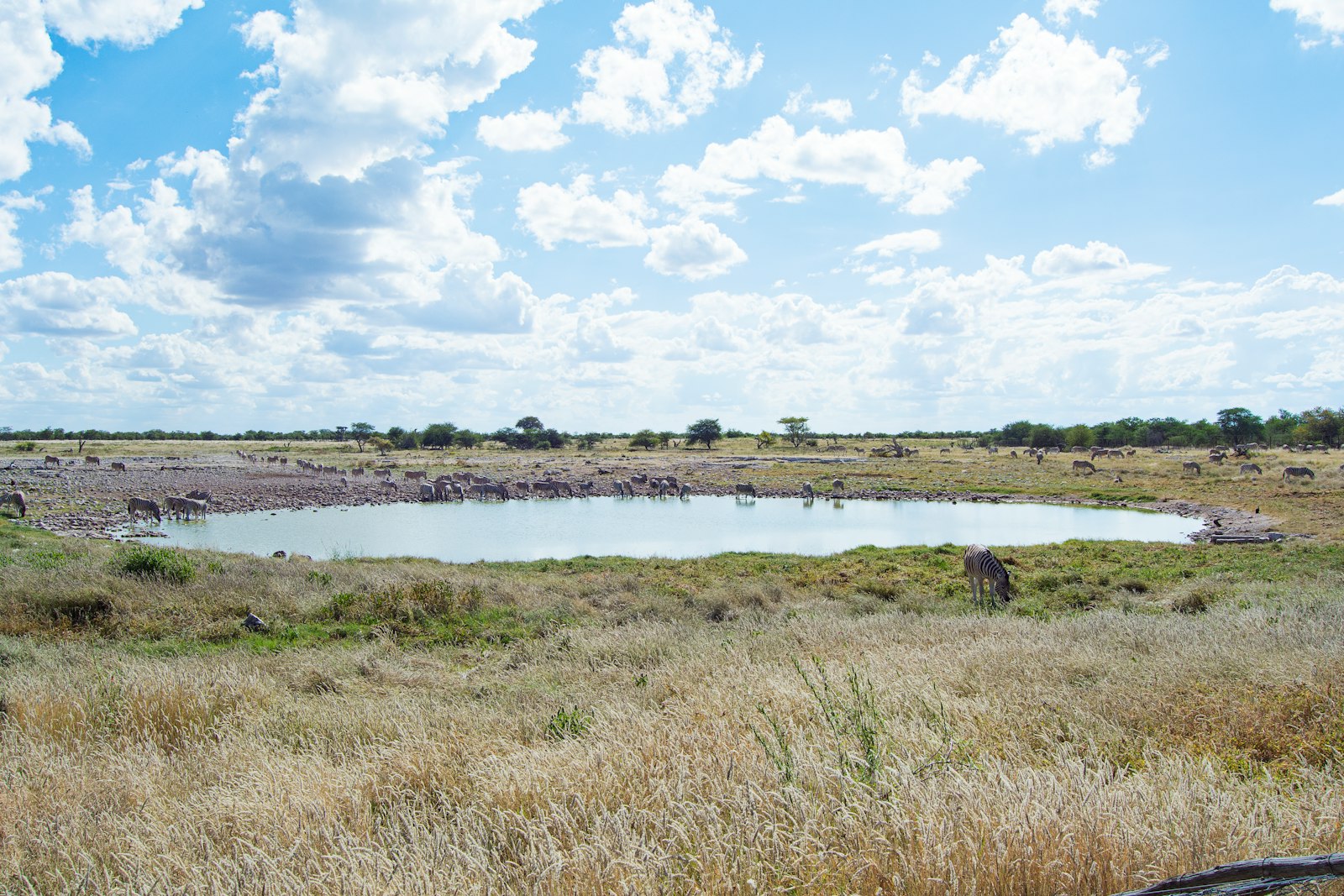
Time needed: Three nights split between two camps in different parts of the park gives the best chances to see varied wildlife. Best for: first-time safari visitors and families. Access: The park has several entrance gates, and opening and closing times are posted at each gate and rest camp, so plan to arrive well before sunset. Self-driving is straightforward on the main gravel roads.
Waterberg Plateau
Why visit: A flat-topped sandstone mesa rising from the plains, with walking trails, birdlife and a protected area that has been used to resettle rare antelope and rhinos.
Time needed: One night on the way to or from Etosha. Best for: walkers and birders who like a quieter stop. Access: Managed by Namibia Wildlife Resorts, with guided and unguided trail options; book ahead in busy months.
Coast and desert towns
Swakopmund and Walvis Bay
Why visit: Swakopmund is the country’s adventure base, with sandboarding, quad biking and scenic flights, while Walvis Bay is known for its lagoon, flamingos and boat trips to see seals and dolphins. Cool sea fog is common, and the German-style bakeries, cafes and architecture give the area a character quite unlike the interior.
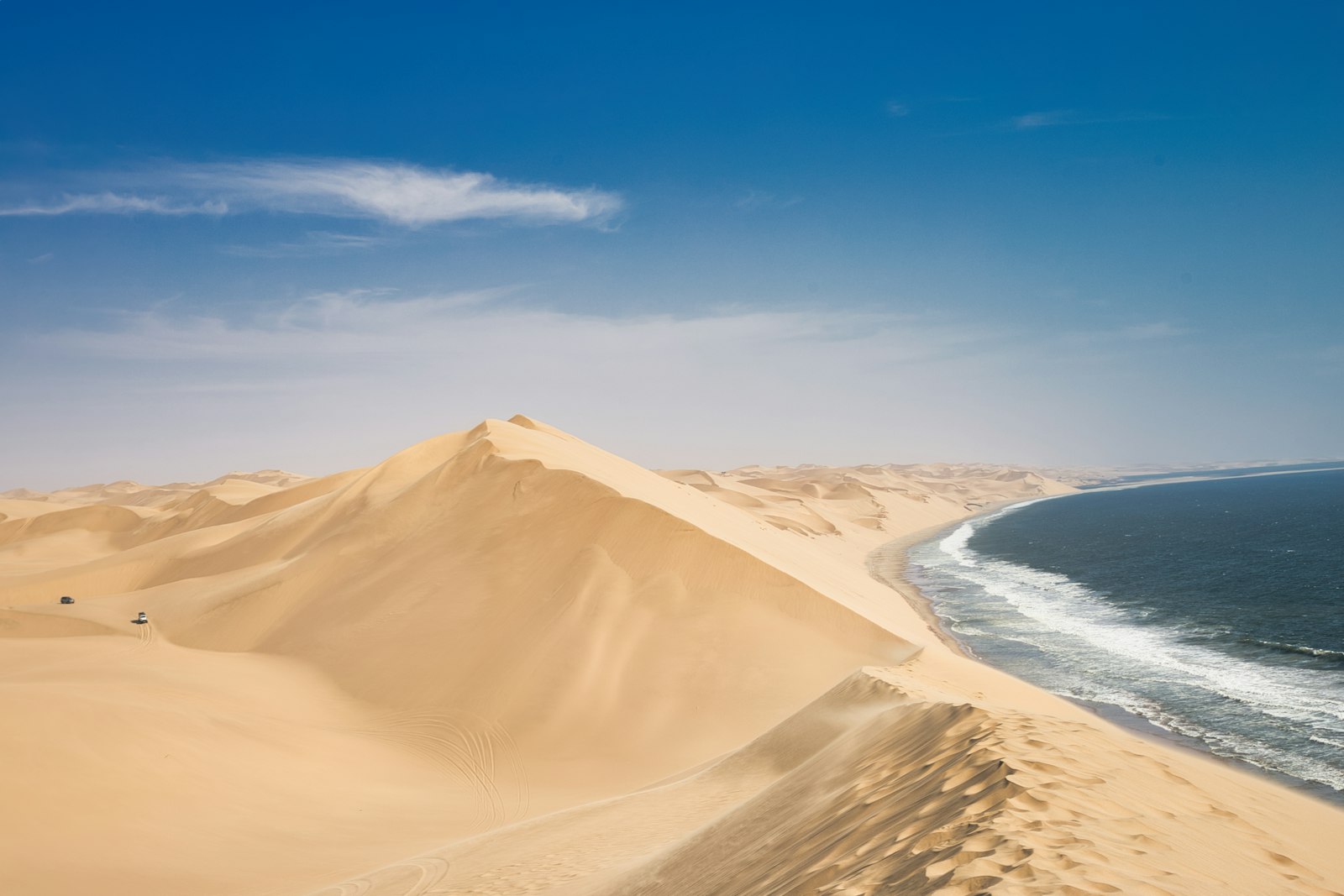
Time needed: Two nights. Best for: activity seekers, food lovers and anyone needing a comfortable break from long drives. Access: The two towns are about 30 minutes apart by road, and Walvis Bay has its own airport, which is covered on the Flights guide.
Skeleton Coast and Cape Cross
Why visit: A stark shoreline of wrecks, whalebones and sand, with the Cape Cross seal reserve offering a close, noisy look at a large Cape fur seal colony.
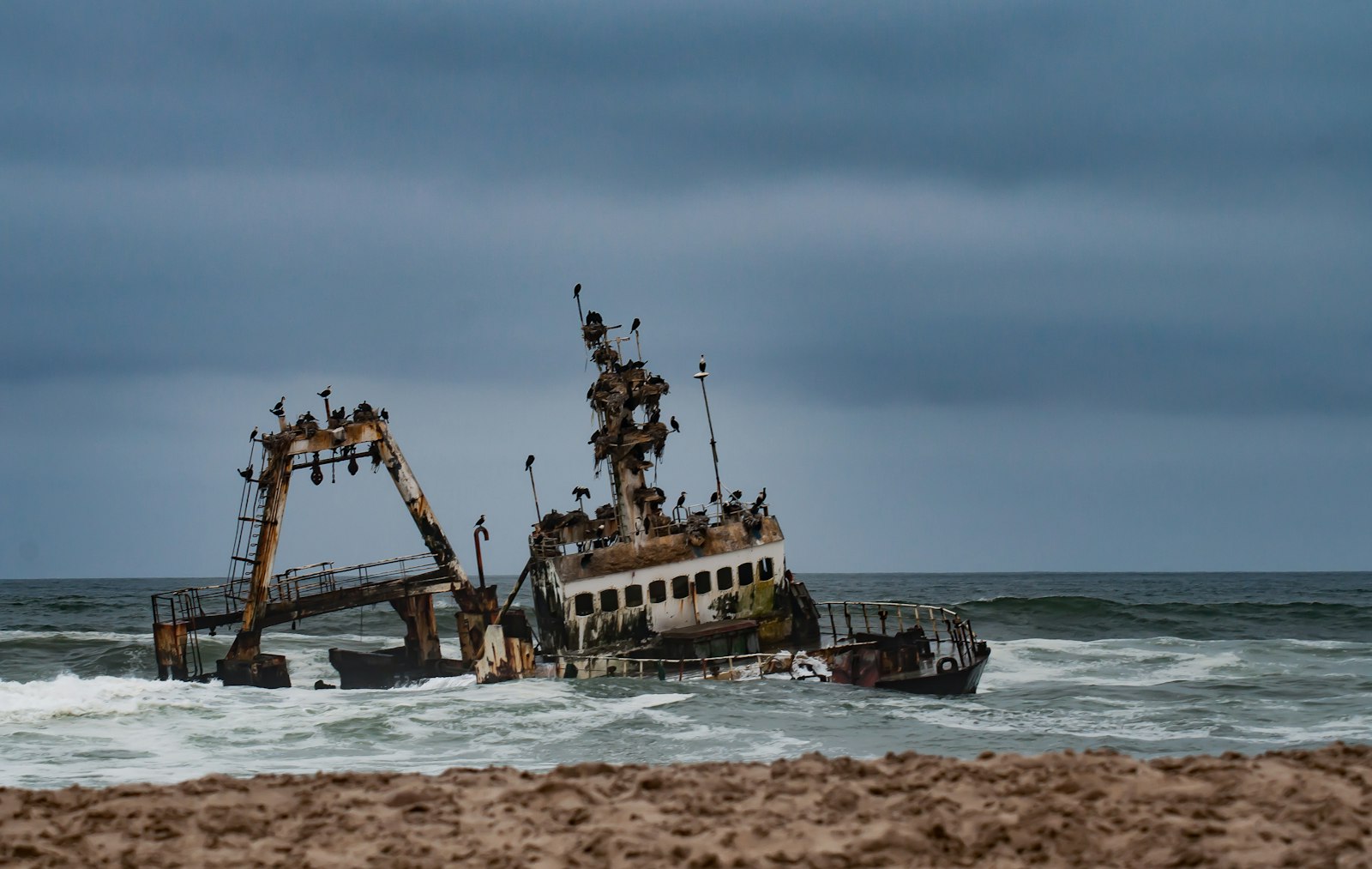
Time needed: A half-day to Cape Cross, longer for deeper Skeleton Coast areas. Best for: photographers and wildlife enthusiasts who do not mind strong smells. Access: The southern section is easy by road, but the northern parts are remote and often require permits or guided tours.
Lüderitz and Kolmanskop
Why visit: Lüderitz is a quiet harbour town with colonial buildings and seafood, while nearby Kolmanskop is a former diamond-mining village slowly filling with sand.
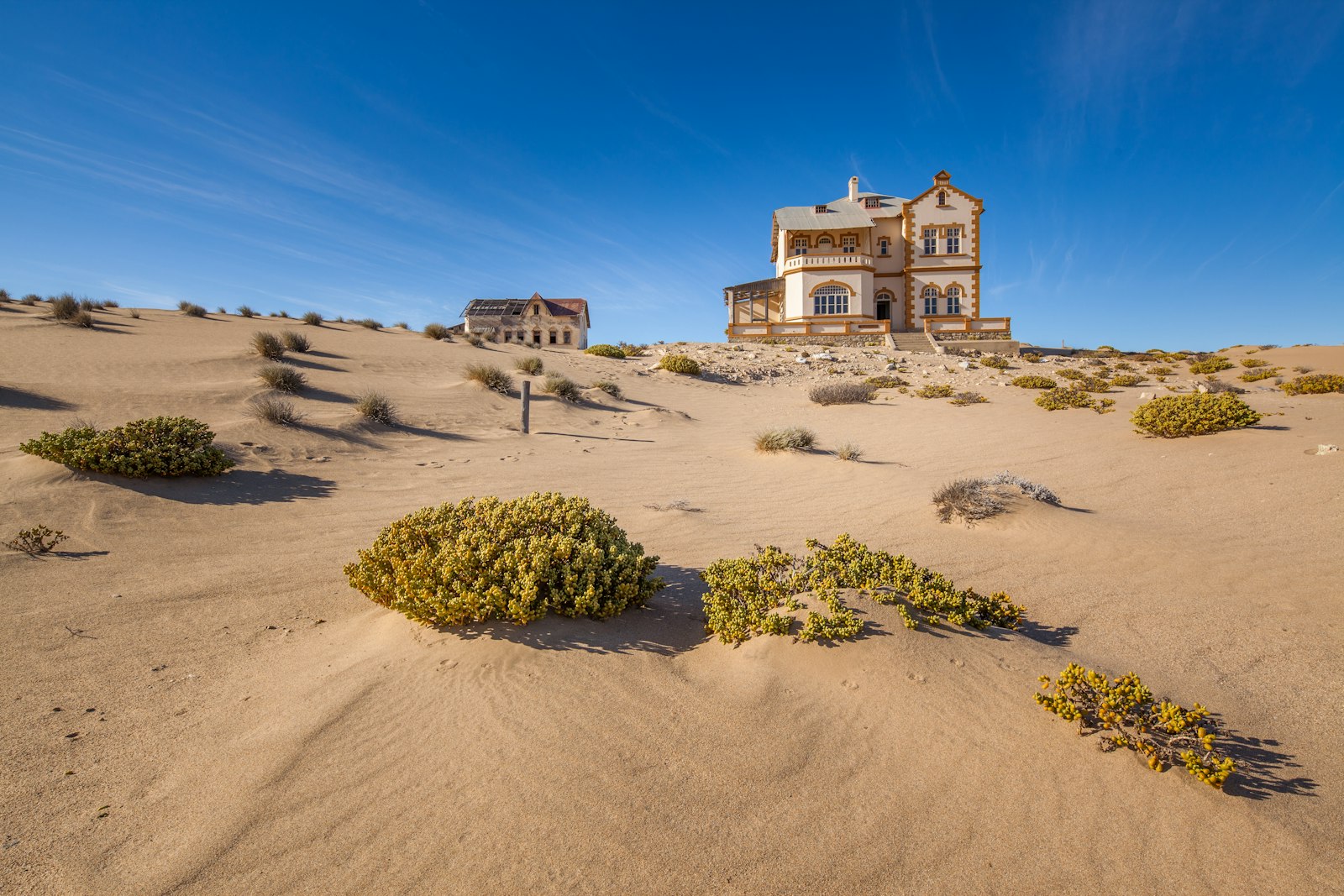
Time needed: One night. Best for: history lovers and photographers. Access: Kolmanskop visits are arranged through the site operator, so check current entry arrangements locally before you go.
Culture and heritage
Twyfelfontein and Damaraland
Why visit: Twyfelfontein’s sandstone slopes hold thousands of engravings made by early hunter-gatherers, which is why the site has UNESCO World Heritage status. The surrounding Damaraland landscape of red hills and dry riverbeds is also a place where desert-adapted elephants roam.
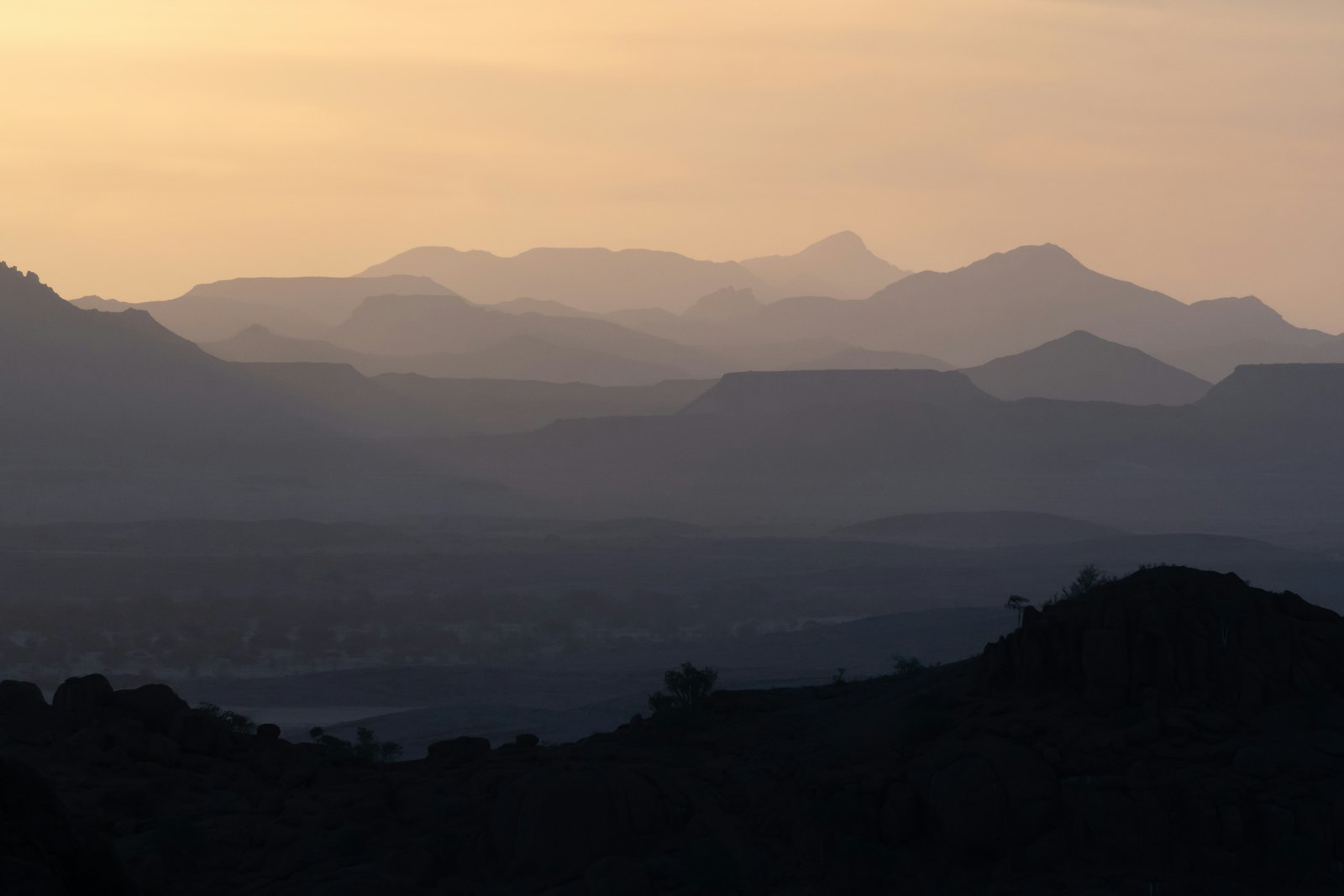
Time needed: Two nights. Best for: culture and history fans. Access: Visits are made with local guides at the site, and travel conditions in the region depend heavily on road quality and season.
Cities and food
Windhoek
Why visit: The capital is compact and relaxed, with museums, craft markets, cafes and restaurants serving game meats and local beer. It is the best place to stock up before heading into remote areas.
Time needed: One to two nights at the start or end of a trip. Best for: first arrivals, shoppers and food lovers. Access: The main international airport lies outside the city; ground arrangements are covered on our Flights and Getting Around guides.
How to choose
First-time visitors often pair Windhoek, Sossusvlei, Swakopmund and Etosha into a loop. Photographers might add Spitzkoppe and Damaraland, while hikers may prefer the south. Beyond the highlights, the most common mistake is trying to see everything in a week; every extra stop costs a day of driving, so fewer places with longer stays usually feels better.
For the latest park conditions, consult the Namibia Wildlife Resorts website, which manages many of the national parks and resorts mentioned here.
Best places FAQs
What is the single best place to visit in Namibia?
There is no single winner, because the country’s appeal is varied. Sossusvlei is the most photographed, Etosha is the best for wildlife, and Swakopmund is the easiest base for activities. Choose by your interests rather than by rankings.
How many days do I need for the highlights?
Ten to fourteen days lets you link Windhoek, Sossusvlei, Swakopmund, Damaraland and Etosha without rushing. A shorter trip works if you pick two or three regions and keep driving days under control.
Can I visit these places without a guide?
Many are accessible by self-drive, including Etosha, Sossusvlei and Swakopmund. Remote sections of the Skeleton Coast, long hikes and some cultural sites require permits, guides or a 4×4, so check each one before you commit.
Which places are open all year?
Most major sights are open year-round, but access can change with weather. The Fish River hiking trail is seasonal, and flooding or extreme heat can affect roads and activities, so confirm conditions shortly before travel.