 KazakhstanExplore Kazakhstan, the vast Central Asian country of steppe, mountains and Silk Road heritage,…
DESTINATION
Mozambique
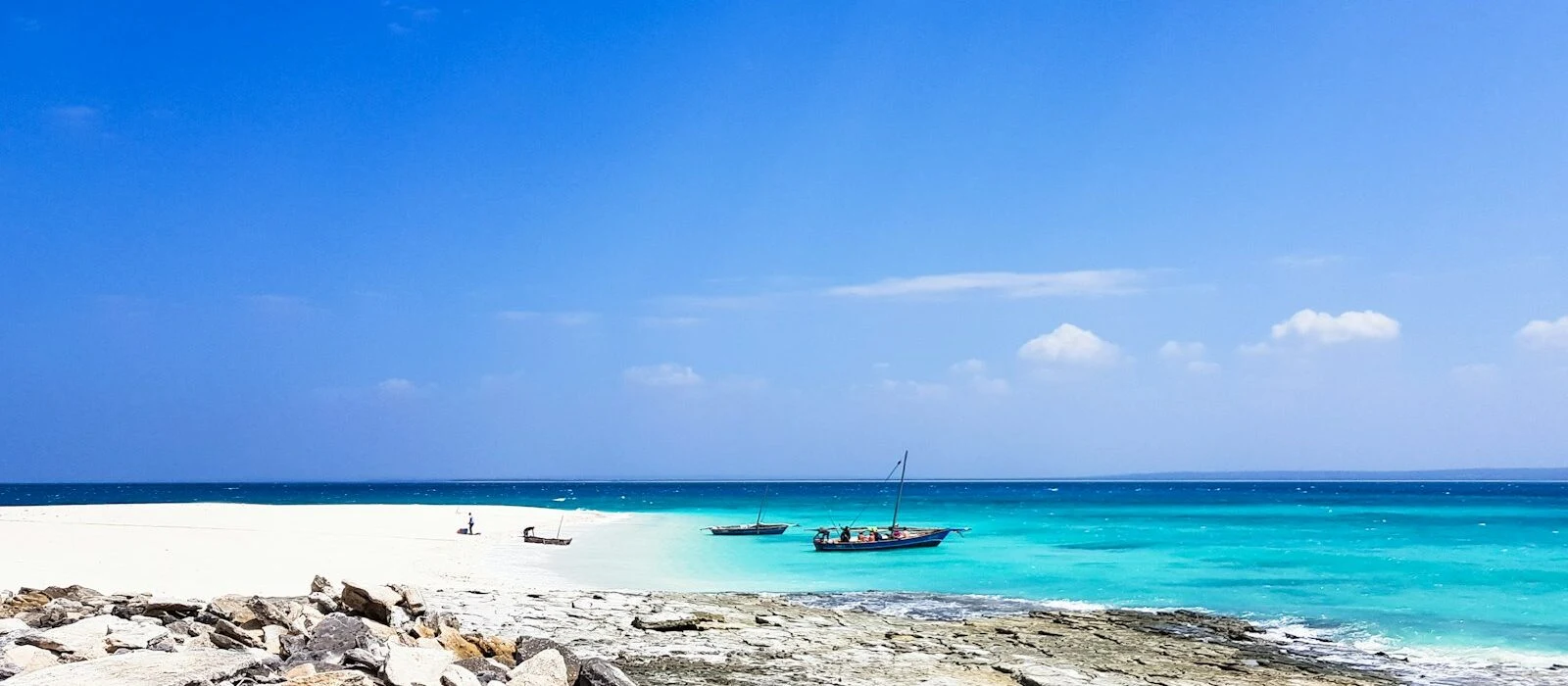
Discover Mozambique's Indian Ocean coast, Portuguese-era history, Makonde and marrabenta culture, and seafood dishes like matapa and piri-piri.
📅 Last updated:
🌍 Quick Facts

Mozambique at a glance
Capital: Maputo
Currency: Mozambican Metical (MZN)
Language: Portuguese (official) and Bantu languages such as Makhuwa
Population: About 33 million (2024 estimate)
Time zone: CAT (UTC+2)
Calling code: +258
Internet domain: .mz
Main airport: Maputo International Airport (MPM), a few kilometres from the city centre
Best time to visit: May to October (dry season)
📍 Mozambique Map
🖼️ Mozambique: Location, History, Culture & Food
✨ Complete Travel Guide
Where Is Mozambique Located?
Mozambique is a country on the southeastern coast of Africa, facing the Mozambique Channel of the Indian Ocean. It shares land borders with Tanzania, Malawi, Zambia, Zimbabwe, Eswatini and South Africa, and its capital, Maputo, sits in the far south, close to the South African frontier.
Last checked: November 2026
The country covers about 799,380 square kilometres, of which roughly 786,380 square kilometres is land. Its Indian Ocean coastline measures about 2,470 kilometres, running from the Ruvuma River in the north down to Ponta do Ouro in the far south. On land, Mozambique’s borders add up to about 4,783 kilometres. The longest stretch is shared with Malawi at about 1,498 kilometres, followed by Zimbabwe at about 1,402 kilometres.
Most of the country is low-lying coastal plain that gradually rises towards highlands in the west and north. The southern shoreline is low and sandy, with mangrove swamps in places, while the interior reaches its greatest height at Monte Binga, about 2,436 metres above sea level, on the border with Zimbabwe. The Zambezi River crosses the north-central part of the country on its way to the sea and waters its most fertile land. Lake Malawi, which Mozambique shares with Malawi and Tanzania, lies along the north-western edge.
Administratively, Mozambique is divided into ten provinces plus Maputo City, which has provincial status. From north to south the provinces are Cabo Delgado, Niassa, Nampula, Zambézia, Tete, Manica, Sofala, Inhambane, Gaza and Maputo Province. People are not spread evenly across this large territory: the main population clusters lie along the southern coast between Maputo and Inhambane, around Beira and Chimoio in the centre, and in and around Nampula in the north. The whole country keeps Central Africa Time, which is two hours ahead of UTC.
Introduction to Mozambique
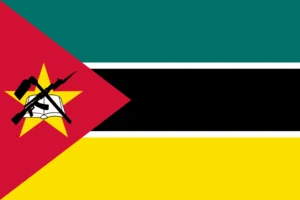
Mozambique, officially the Republic of Mozambique, is a country on the southeast coast of Africa with roughly 33 million people according to 2024 estimates. Maputo is the capital, Portuguese is the only official language, and the currency is the metical. Independence from Portugal came on 25 June 1975.
Last checked: November 2026
The country takes its name from the Island of Mozambique, a small island off the northern coast that served as the Portuguese colonial capital. Portugal ruled the territory for almost five centuries, and Independence Day on 25 June is now the national holiday. Mozambique joined the United Nations on 16 September 1975, a few months after independence.
The 2017 census counted about 27.9 million residents, and official estimates for 2024 put the figure at around 33 million. Although Portuguese is the sole official language and works as a link language in towns, schools and offices, most people grow up speaking a Bantu language at home. Makhuwa is the most widely spoken mother tongue, followed by Portuguese, Tsonga, Nyanja, Sena and Lomwe, and more than twenty indigenous languages are heard across the provinces.
Christianity is the largest faith, and the 2017 census recorded Muslims at about 18 percent of the population. Visitors usually come for the Indian Ocean shoreline, the beaches and islands, the mix of African, Swahili-coast and Portuguese influences, and the wildlife areas inland. Beira, Matola, Nampula, Quelimane, Tete and Nacala are among the other major towns. If you are planning a trip, our guide to Mozambique visa requirements and entry rules explains how to arrange permission to enter, and our overview of flights to Mozambique covers the main airport and typical routes. To choose your travel dates, read our guide to the best time to visit Mozambique, which compares the dry and wet seasons month by month. When you are ready to build a route, see our picks for the best places to visit in Mozambique, follow a sample Mozambique itinerary, compare where to stay in Mozambique and read how to get around Mozambique.
History of Mozambique
Mozambique’s history runs from early Bantu-speaking farming communities through Swahili-coast trade, almost five centuries of Portuguese presence, independence in 1975 and a long civil war that ended with the 1992 peace agreement. Today it is a multiparty republic.
Last checked: November 2026
Bantu-speaking farmers settled the region over many centuries, and by the early second millennium coastal towns such as Sofala were trading gold and ivory with Swahili and Arab merchants across the Indian Ocean. Portuguese ships reached the coast in 1498 during Vasco da Gama’s voyage to India, and the Portuguese built a fort on the Island of Mozambique in the sixteenth century, turning it into a key stop on the route east.
Over the following centuries Portugal extended its control inland, using trading posts and large Zambezi valley estates, and the colony’s capital later moved south from the island to Lourenço Marques, today’s Maputo. Resistance to colonial rule grew in the twentieth century. The Mozambique Liberation Front, Frelimo, was founded in 1962 and began an armed campaign in 1964, which ended with independence on 25 June 1975 under Samora Machel.
Independence was followed by a civil war between Frelimo and the Renamo movement from 1977. A general peace agreement was signed in Rome on 4 October 1992, and the first multiparty elections took place in 1994. Visitors can still see this layered past in the colonial architecture of Maputo and the Island of Mozambique, which is a UNESCO World Heritage Site.
Culture and Traditions of Mozambique
Mozambican culture blends Bantu traditions, Swahili-coast influence and Portuguese heritage. It is best known for Makonde woodcarving, the Chopi timbila xylophone, marrabenta dance music from Maputo and colourful capulana cloth worn across the country.
Last checked: November 2026
The country is home to many ethnic groups, each with its own language and customs, including the Makhuwa in the north, the Makonde on the northern plateau, the Sena and Ndau in the centre and the Tsonga in the south. Family and community ties are central to daily life, and greetings matter: take a moment to greet people properly before asking for anything.
The Makonde are famed for ebony and blackwood sculpture and for mapiko masked dances, while the Chopi of the south are known for the timbila, a large wooden xylophone whose orchestral tradition is recognised by UNESCO as intangible cultural heritage. In Maputo, marrabenta is the signature urban music and dance style, and live performances are easy to find in the evenings.
The capulana, a rectangular printed cloth, is worn as a wrap skirt, carried as a baby sling or used as a head covering, and is a popular souvenir. Christianity is the largest religion, with a significant Muslim population along the northern coast. Dress modestly in villages and mosques, and ask before photographing people.
Food and Cuisine of Mozambique
Mozambican food centres on seafood, coconut, cassava, maize, peanuts and fiery piri-piri chilli, with a Portuguese influence in its breads, stews and grilled dishes. Prawns, crab and grilled fish are the coastal highlights, while matapa is the most iconic traditional dish.
Last checked: November 2026
Matapa is a slow-cooked stew of pounded cassava leaves with coconut milk and ground peanuts, often served with rice and sometimes made with shrimp or crab. Xima, a thick maize porridge, is the everyday staple that accompanies stews and grilled meat. Frango piri-piri, chicken marinated in chilli and grilled, is the country’s best-known export, and camarão piri-piri brings the same heat to local prawns.
On the coast, caril de caranguejo, a spiced crab curry, shows the Indian Ocean and Swahili influence, while chamuças, the local samosas, and rissóis de camarão, deep-fried shrimp pastries, are popular snacks. Portuguese heritage appears in feijoada à moçambicana, a bean and pork stew, in the prego no pão steak roll served in Maputo cafés, and in bolo polana, a cake made with cashew nuts and potato.
Seafood markets, roadside grills and Maputo’s Portuguese-style cafés are the easiest places to try these dishes. Local beer and fresh tropical fruit, especially cashew fruit, mango and pineapple, round out a typical meal.
- Official name: Republic of Mozambique
- Capital: Maputo
- Languages: Portuguese (official) and many Bantu languages, led by Makhuwa
- Currency: Mozambican metical (MZN)
- Calling code and domain: +258 and .mz
Safety notice. The UK Foreign, Commonwealth and Development Office advises against all travel to Cabo Delgado Province, except Palma town and the area around Pemba and Afungi, where it advises against all but essential travel. It also advises against all travel to the districts of Memba and Eráti in Nampula Province and to Mecula and Marrupa in Niassa Province. The rest of the country is not covered by these warnings, but advice changes often, so read the official page before you book and check that your travel insurance covers every area you plan to visit.
Explore Mozambique Travel Guides
Explore our detailed guides to plan every part of your Mozambique trip.
Mozambique: Best Places
Explore the best places to visit in Mozambique, from Maputo and the Island of Mozambique to Bazaruto, Tofo, Gorongosa and southern coast...
View Guide ›Mozambique: Best Time to Visit
Find the best months to visit Mozambique, with a month-by-month weather guide, regional differences, public holidays and packing tips by season.
View Guide ›Mozambique: Flights
Plan your flight to Mozambique: the main gateway airport, typical routings from Europe, Africa and the Middle East, and what to check...
View Guide ›Mozambique: How to Get Around
Compare ways to travel within Mozambique, including domestic flights, buses, chapas, car hire, ferries and taxis, with realistic journey times.
View Guide ›Mozambique: Itineraries
Plan a realistic Mozambique trip with 3, 5, 7 and 10 day routes through Maputo, Tofo, Bazaruto and the north, plus pacing...
View Guide ›Mozambique: Visa
How entry to Mozambique works for tourists: the online eVisa portal, passport rules, documents, health certificates and border crossings.
View Guide ›Mozambique: Hotels
Find the best areas to stay in Mozambique, from Maputo and the Inhambane coast to Bazaruto and Gorongosa, with budget guidance and...
View Guide ›Explore Mozambique Tours
Discover guided tours and adventures in Mozambique. Compare itineraries, prices and traveller reviews on TourRadar before you book.
Guided tours & deals
Affiliate partner · Globe Navo may earn a commission from qualifying bookings at no extra cost to you.
❓ Mozambique FAQ
Where is Mozambique located?
Mozambique lies on the southeastern coast of Africa, facing the Indian Ocean and the Mozambique Channel. It borders Tanzania, Malawi, Zambia, Zimbabwe, Eswatini and South Africa, and its capital, Maputo, is in the far south of the country.
What language is spoken in Mozambique?
Portuguese is the only official language and is used in schools, offices and towns. Most people also speak a Bantu language at home, with Makhuwa the most widely spoken mother tongue, followed by Tsonga, Nyanja, Sena and Lomwe.
What is Mozambique known for?
Mozambique is known for its long Indian Ocean coastline, island and beach destinations, the UNESCO-listed Island of Mozambique, Makonde woodcarving, marrabenta music and seafood cooking flavoured with piri-piri and coconut.
What is the national dish of Mozambique?
Matapa is widely regarded as the most iconic traditional dish. It is a stew of pounded cassava leaves cooked with coconut milk and ground peanuts, often served with rice and sometimes enriched with shrimp or crab.
When did Mozambique become independent?
Mozambique gained independence from Portugal on 25 June 1975, which is now the national holiday. A civil war followed from 1977 until a general peace agreement was signed in Rome on 4 October 1992.
Plan Your Trip to Mozambique
Your Next Adventure in Mozambique Awaits!
Explore Deals →🎁 Best deals for Mozambique
Offers from trusted travel stores for your Mozambique trip. Compare a few options before you book, and check each store's terms for the final price.
Browse by type: Hotel deals · Flight deals · Travel eSIM · Car rental
More destinations to explore
KazakhstanExplore Kazakhstan, the vast Central Asian country of steppe, mountains and Silk Road heritage,…
 ItalyItaly travel guide: where Italy is, what it is known for, its history, culture…
 DominicaDiscover Dominica, the Nature Isle of the Eastern Caribbean: its location, history, Creole culture…