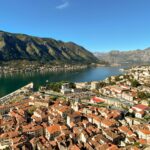
The best time to visit Montenegro depends on where you are going. For the coast and combined trips, May, June and September are the most comfortable months, with warm sea and fewer crowds than July and August. Mountain hiking suits June to September, and skiing runs from roughly December to March.
Last checked: November 2026
Why the Best Time Differs by Region
Montenegro is small, yet it holds two very different climates. The coast and the central lowlands around Podgorica have a Mediterranean pattern with hot, dry summers and mild, wet winters. The northern highlands around Žabljak and Kolašin have a cooler, continental climate with long winters and snow. The Monstat statistical yearbook explains how terrain and sea shape these types in its climate chapter, and the government describes the local conditions around the capital on its Podgorica information page.
The practical effect is that a day at the beach and a day on a snowy peak can be a short drive apart. Plan your dates around the activity that matters most, rather than the country as a whole.
Month-by-Month Conditions
The figures below are approximate long-term daily averages compiled from climate tables, not forecasts. Treat them as a guide and check the forecast close to departure.
Winter: December to February
Kotor averages roughly 7 to 9 degrees Celsius, while Žabljak sits around freezing or below, at about minus 2 to 0 degrees. Podgorica receives some of its heaviest rainfall now, in the range of 160 to 215 millimetres a month in December through February. Many seaside restaurants and hotels reduce their opening, but the Bay of Kotor is quiet and atmospheric, and the northern ski areas operate.
Spring: March to May
Temperatures rise steadily, with Kotor going from about 10 degrees in March to around 19 in May. March and April remain wet, and May is the first month when rain eases off. Mountain trails may hold snow into May, so hikers should check conditions before heading up. Spring is a good time for city sightseeing and for cycling or driving without the summer traffic.
Summer: June to August
Kotor and Herceg Novi average in the mid to high 20s, and Podgorica regularly gets hotter, with daytime peaks in the high 20s Celsius or above on average for July and August. Rainfall is lowest in July, at around 46 millimetres in Podgorica. The sea is warm and the mountains are at their best for walking and rafting, but coastal towns are crowded and accommodation is expensive.
Autumn: September to November
September remains warm, at about 23 degrees in Kotor, with a calmer atmosphere than August. October still suits sightseeing, though rain returns, and November is the wettest month in Podgorica, with around 233 millimetres. Mountain towns turn colourful in early autumn before winter arrives.
Peak and Low Seasons
July and August are the peak months on the coast, with the highest prices, crowded beaches and long queues at popular sites. The shoulder months of May, June, September and early October offer the best mix of weather and value. November to March is the low season: some venues close, but you will find lower prices and empty streets. Mountain regions have two peaks, summer for hiking and rafting and mid-winter for skiing.
Festivals and Public Holidays
Montenegro marks Orthodox Christian holidays, and dates for Easter and Christmas differ from the Western calendar in most years. Kotor holds ceremonies around Saint Tryphon, its patron, including the Boka Navy procession listed by UNESCO. Summer brings arts and music events along the coast. Dates change from year to year, so confirm them with the local tourist office before you plan around any event. Government offices and many shops close on public holidays, and Ramadan does not materially affect travel for most visitors.
Best Season by Travel Style
- Beach holidays: June to September, with the warmest sea in July and August.
- Sightseeing and city breaks: April to June, and September to October.
- Hiking in Durmitor and Biogradska Gora: June to September.
- Rafting on the Tara: spring to autumn, with water levels highest after snowmelt.
- Skiing: December to March around Žabljak and Kolašin.
- Budget travel: November to March, outside the ski weeks.
What to Pack
For summer, bring light clothing, sun protection and water shoes for pebble beaches. For spring and autumn, add a rain jacket and layers, since weather changes quickly. In winter, pack waterproof footwear for the coast and proper snow gear for the mountains. Sturdy shoes are useful all year for steps in Kotor and for mountain paths.
Frequently Asked Questions
What is the cheapest month to visit Montenegro?
Prices are lowest between November and March on the coast. Expect reduced services and cooler, wetter weather in return for lower costs and fewer visitors.
When is the sea warm enough for swimming?
Most visitors swim from June to September, when the Adriatic is at its warmest. Late May and early October can work for those who tolerate cooler water.
Is Montenegro too hot in July and August?
Coastal towns and Podgorica can feel very hot in midsummer. The mountains stay cooler, so many visitors split their stay between a sea base and a day or two in the north.
When does the ski season start?
The ski season generally runs from December to March around Žabljak and Kolašin, depending on snowfall. Check conditions with the resort before you book.