Montenegro’s best places fall into three clusters: walled towns and beaches on the Adriatic, cultural landmarks in the old heartland around Cetinje, and national parks in the northern mountains. Kotor, Perast, Durmitor and Lake Skadar suit most first-time visitors, and a week is enough to combine the coast with one mountain area.
Last checked: November 2026
Historic Towns and Coast
Kotor and the Bay of Kotor
Kotor is the anchor of the bay: a medieval walled town sitting under steep limestone cliffs, with narrow lanes, small squares and the Cathedral of Saint Tryphon. The surrounding region has carried UNESCO World Heritage status since 1979, and the government explains the listing in its note on UNESCO’s decision about the Kotor region.
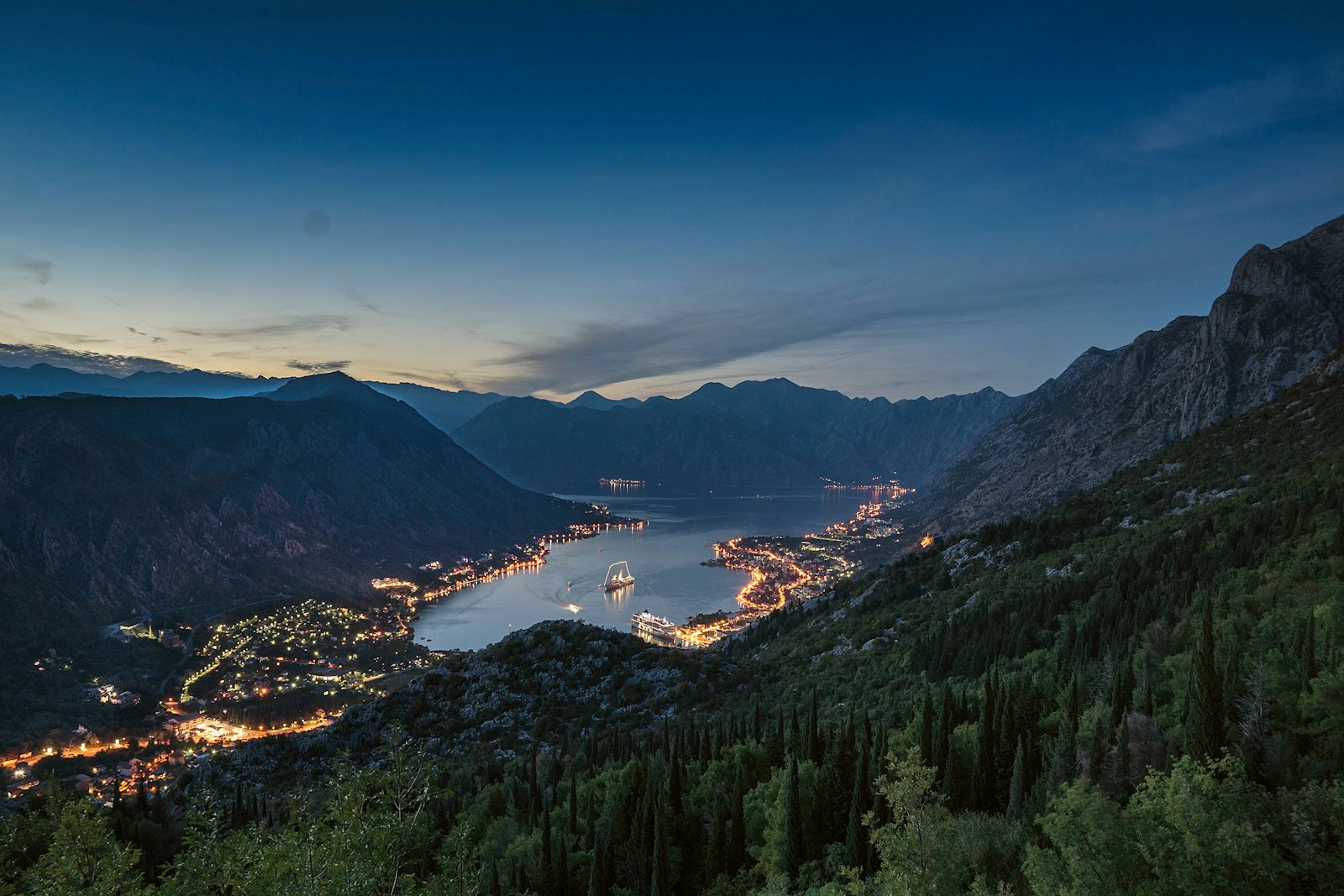
Time needed: one full day for the old town and fortress walls, two or three days if you also want to explore the bay by car or boat. Best for: first-time visitors, couples and anyone who enjoys history. Summer brings cruise-ship crowds, so go early in the morning.
Perast
A short drive along the bay from Kotor, Perast is a quiet row of baroque stone houses and churches facing two small islands, one of which holds the church of Our Lady of the Rocks. Boats run across from the waterfront.
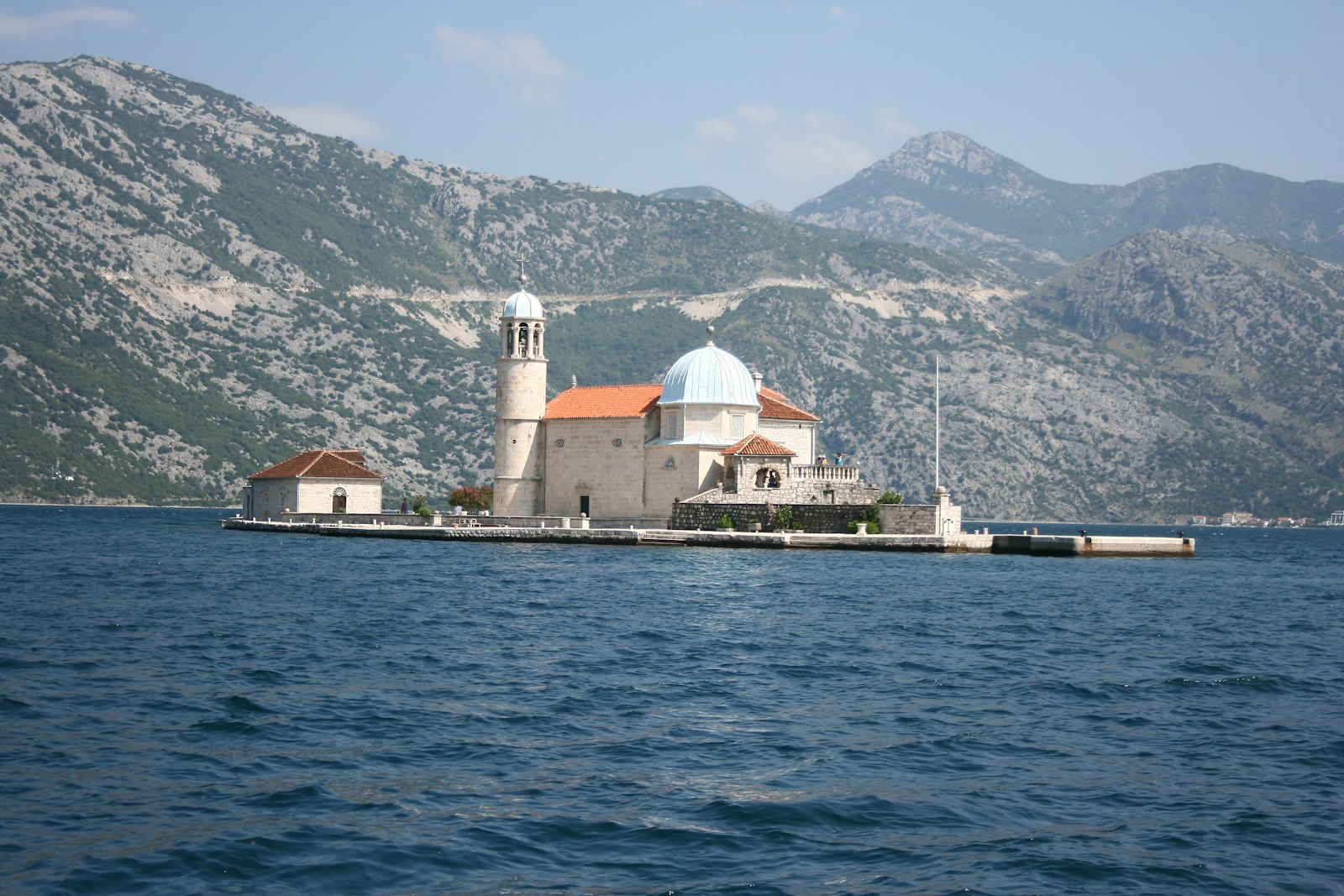
Time needed: two to three hours, or an evening if you want the town to yourself after day trippers leave. Best for: photographers and slow-travel visitors.
Budva
Budva is the busiest resort on the coast. Its car-free old town is enclosed by medieval walls, with cobbled streets, Venetian-era buildings, restaurants and souvenir shops, while the beaches nearby, including Jaz and Mogren, draw swimmers in summer.
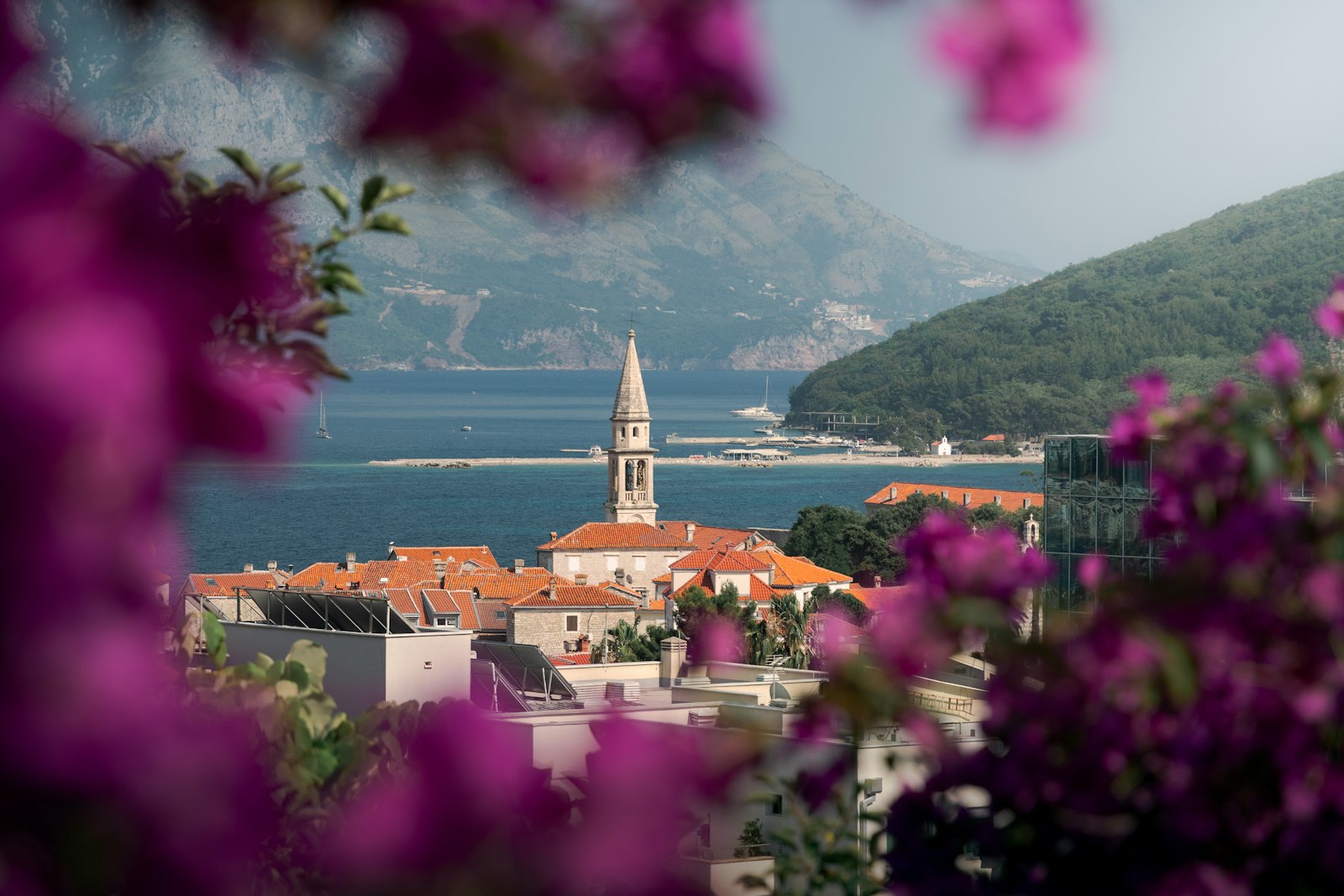
Time needed: half a day for the old town, longer if you want beach time. Best for: beach holidays and nightlife seekers.
Sveti Stefan
This fortified islet, linked to the mainland by a narrow causeway, is a short drive south of Budva. The island itself operates as a hotel, so most visitors admire it from the beaches or a viewing terrace on the hillside instead of entering. Check locally before you plan to go inside.
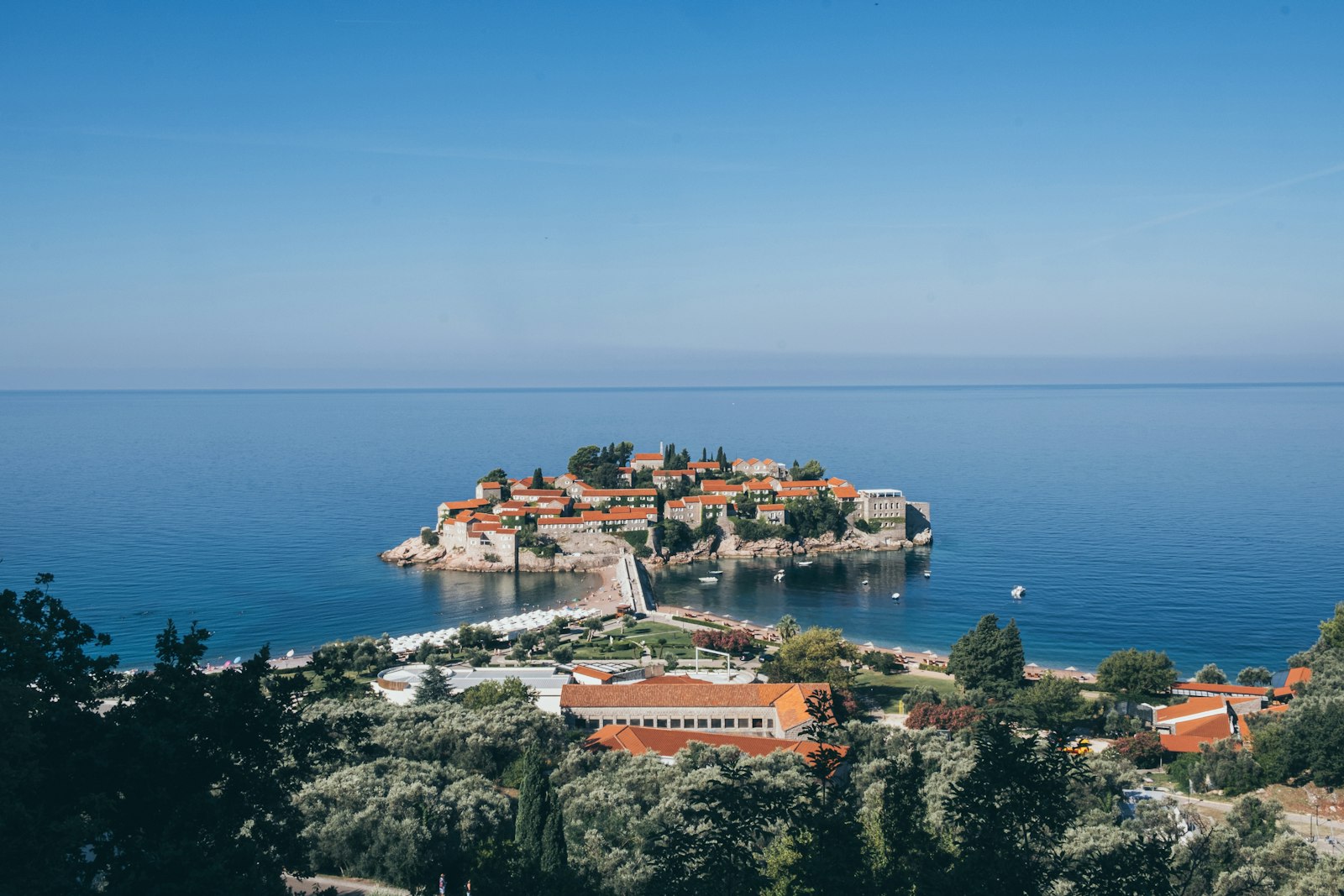
Time needed: about an hour for viewpoints and a swim. Best for: photo stops on a coastal drive.
Cultural Landmarks
Cetinje and Lovćen National Park
Cetinje, the old royal capital, is a small, relaxed town of museums and former embassies, and the Njegoš Mausoleum stands on Mount Lovćen above it, reached by a winding road and a flight of steps. The park lies close enough to Kotor and Budva for a day trip.
Time needed: one day for both. Best for: history fans and anyone wanting a panoramic viewpoint.
Ostrog Monastery
Built into a vertical rock face, Ostrog is one of the most visited pilgrimage sites in the Balkans. Visitors should dress modestly and be prepared for steep approaches and queues in peak season. Accommodation nearby is limited, so most people visit during the day from Podgorica or the coast.
Time needed: two to three hours including the drive up. Best for: pilgrims and culture-minded travellers.
Parks, Lakes and Outdoor Destinations
Durmitor National Park and the Tara Canyon
Durmitor is the main mountain destination, with glacial lakes, high peaks and the Tara River canyon, reported to reach around 1,300 metres deep at its greatest. Black Lake near Žabljak makes an easy walk, while rafting is the signature activity on the river from spring to autumn. The national tourism organisation highlights the park in its top ten places in Montenegro.
Time needed: two to three days. Best for: hikers, rafters and winter-sports visitors. Žabljak makes a practical base.
Lake Skadar National Park
The largest lake in the Balkans lies on the border with Albania, and is best explored by boat or kayak from villages such as Virpazar. It is also a well-known birdwatching area, and local restaurants serve lake fish.
Time needed: half a day for a boat tour, up to two days for a slower trip. Best for: nature lovers and birdwatchers.
Biogradska Gora National Park
Biogradska Gora protects one of Europe’s last primeval forests around a calm glacial lake. A level path circles the water, so the park suits families and casual walkers as well as serious hikers.
Time needed: half a day. Best for: forest walks and quiet scenery between May and September.
Food Destination: Njeguši
This highland village above the Bay of Kotor is the home of Montenegro’s best-known smoked ham and local cheeses. It sits on the road up to Lovćen, so it fits naturally into the same day trip as the mausoleum. Try a tasting plate at one of the family-run restaurants.
Time needed: one to two hours. Best for: food lovers.
Frequently Asked Questions
What is the single best place to visit in Montenegro?
There is no official ranking. Kotor and the Bay of Kotor are the most common choice for first-time visitors because they combine history, scenery and easy access from the coast.
How many days do I need to see the main places?
Five to seven days cover the bay, Budva, Cetinje and one national park. Add three or four more days if you want to include Durmitor and Lake Skadar without rushing.
Is it better to stay on the coast or in the mountains?
Most visitors base themselves on the coast and make day trips inland. If hiking or rafting is the priority, spend at least two nights in Žabljak.
Can I visit Montenegro’s best places without a car?
Coastal towns are linked by buses, but mountain parks and monasteries are easier by car or organised tour, so choose based on how many remote places you want to reach.