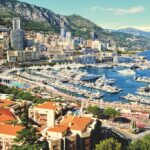
The best time to visit Monaco is late spring (May to June) and early autumn (September to early October), when days are warm, the sea is comfortable and the crowds are smaller than at the height of summer. July and August are hottest and busiest, while winter is mild, quiet and better for sightseeing than swimming.
Last checked: November 2026
Understanding Monaco’s Climate
Monaco has a Mediterranean climate: warm, dry summers and mild, damp winters. Climate averages are approximate, and different weather datasets disagree by a few degrees, so treat the figures below as a guide rather than a forecast. Daytime highs usually sit around 10 to 13°C in midwinter and 25 to 27°C in July and August. Rain falls mostly in short, heavy bursts between October and March, with October and November the wettest months.
Does the best time differ by region? Within the principality itself, very little changes from one district to the next, because the whole country covers about two square kilometres. The difference appears when you travel beyond it. The hills and Alpine valleys behind the coast are noticeably cooler and can be snowy in winter, while neighbouring coastal towns feel much like Monaco.
Month-by-Month Conditions
The list gives approximate long-term daytime highs, average monthly rainfall and sea temperature, based on climate data published by Met Office-linked sources.
- January: about 10°C, 77 mm of rain, sea 14°C. Quiet and cool, with the Saint Dévote celebrations at month’s end.
- February: about 10°C, 79 mm, sea 13°C. The coldest water of the year, but bright days are common.
- March: about 12°C, 75 mm, sea 13°C. Spring gardens begin to bloom.
- April: about 14°C, 69 mm, sea 14°C. Comfortable for walking and often busy with tennis fans.
- May: about 18°C, 65 mm, sea 17°C. Warm and green, with high demand around the Grand Prix.
- June: about 21°C, 49 mm, sea 20°C. Long days and the first good beach weather.
- July: about 25°C, 23 mm, sea 23°C. The driest and sunniest month, with high prices.
- August: about 25°C, 46 mm, sea 24°C. Warmest sea of the year and the busiest weeks.
- September: about 22°C, 65 mm, sea 22°C. Warm water with thinner crowds, and a strong all-round choice.
- October: about 18°C, 102 mm, sea 20°C. The wettest month, though many days remain pleasant.
- November: about 13°C, 99 mm, sea 17°C. Showers are frequent, and the National Day celebrations take place on the 19th.
- December: about 11°C, 76 mm, sea 15°C. Festive lighting and markets, with cool evenings.
Peak, Shoulder and Low Seasons
Peak season
Summer is the high season, especially July and August, and the days around the Monaco Grand Prix. The palace’s official visiting page shows that it closes during Grand Prix weekend, which is a reminder that the race affects ordinary sightseeing as well as hotel availability.
Shoulder seasons
April to June and September to October give a good balance of weather, prices and space. Sea temperatures are suitable for a swim from about June, and the main sights are easier to enjoy without long waits.
Low season
November to March is the quietest period. Expect cooler days and a higher chance of rain, but also lower crowds and a calm atmosphere in the old town, the museums and the gardens.
Festivals and Events
Monaco’s calendar is packed, although exact dates change each year, so confirm them before booking.
- January: the rally that ends in Monte-Carlo, and the Saint Dévote procession around 27 January.
- April: the Monte-Carlo tennis tournament.
- Late May or early June: the Formula 1 Grand Prix. In 2026 the weekend ran from 5 to 7 June.
- September: the yacht show in Port Hercule.
- 19 November: National Day, with ceremonies and festive food.
- December: Christmas markets and lights.
Public Holidays
Monaco’s official public-service portal lists the statutory public holidays. They include New Year’s Day, Saint Dévote on 27 January, Easter Monday, 1 May, Ascension, Whit Monday, Corpus Christi, 15 August, 1 November, National Day on 19 November, 8 December and Christmas Day. Some shops and small businesses close on these days, and when certain holidays fall on a Sunday the following Monday is observed. Ramadan has little effect on a visit, since Monaco does not follow a religious calendar for opening hours.
Packing Advice by Season
- Summer: light clothing, sunscreen, sunglasses, a hat and sandals for hilly streets.
- Spring and autumn: layers, a light waterproof jacket and comfortable walking shoes.
- Winter: a warm coat, an umbrella and something smart for evenings out.
- All year: a smart outfit if you plan to enter the casino or an upscale restaurant.
Best Season by Travel Style
- Beach and swimming: late June to early September.
- Sightseeing and walking: May, June, September and early October.
- Gardens in bloom: March to June.
- Budget-minded travel: November to March, outside Christmas week.
- Motor-racing and glamour events: the Grand Prix period, with early booking.
Frequently Asked Questions
What is the cheapest time to visit Monaco?
Winter, particularly January and February, is generally the least busy period. Prices still rise around big events, so check dates before you book.
Can you swim in Monaco in May?
The sea is still cool in May, at roughly 17°C by climate averages, so it suits only hardy swimmers. June to September is much more comfortable for most visitors.
Is Monaco worth visiting in winter?
Yes. Days are mild, attractions are less crowded and the Christmas lights are attractive. Bring a rain jacket, since showers are common from October to March.
When is the hottest month in Monaco?
July and August are the hottest, with highs around 25 to 27°C. August also has the warmest sea temperature of the year.