Malta is small, but it packs in fortified cities, prehistoric temples, sea caves and quiet farming landscapes. This guide groups the best places by theme so you can choose what fits your interests and plan how much time each deserves.
Quick answer: The best places to visit in Malta are Valletta and Mdina for history, the prehistoric temples and the Ħal Saflieni Hypogeum for ancient heritage, Gozo for a slower pace, and Comino’s Blue Lagoon and the south-west cliffs for scenery. Most can be reached as day trips from anywhere on the main island.
Last checked: November 2026
Historic cities and fortifications
Valletta
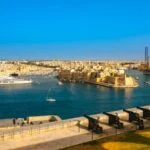
Why visit: The capital was founded in 1566 by the Knights of St John and is a UNESCO World Heritage Site, with Baroque churches, palaces and harbour views. Main attractions: St John’s Co-Cathedral, the Upper Barrakka Gardens and the fortifications. Time needed: a full day. Best for: history and architecture lovers.
Mdina and Rabat
Why visit: Mdina is a walled hilltop citadel with cobbled streets and a quiet, medieval feel. Main attractions: the ramparts, the cathedral area and the neighbouring town of Rabat, with its catacombs and St Paul’s Grotto. Time needed: half a day. Best for: couples, photographers and anyone who likes quiet streets.
The Three Cities
Why visit: Birgu (Vittoriosa), Senglea and Cospicua sit across Grand Harbour from Valletta and were central to the Great Siege story. Main attractions: Fort St Angelo and the harbour streets. Time needed: half a day. Best for: travellers who want history without the Valletta crowds.
Prehistoric and UNESCO sites
Malta has three UNESCO World Heritage Sites: the City of Valletta, the Megalithic Temples and the Ħal Saflieni Hypogeum.
Ġgantija Temples (Gozo)
Why visit: These temples date to around 3600-3200 BC and are among the oldest free-standing structures in the world. Time needed: one to two hours. Best for: archaeology and history fans.
Ħaġar Qim and Mnajdra
Why visit: Two temple complexes stand near the south coast, only a short distance apart. Time needed: about two hours for both. Best for: visitors who enjoy open-air heritage and coastal views.
Ħal Saflieni Hypogeum
Why visit: An underground prehistoric complex near Paola, with chambers carved from rock. Access note: visitor numbers are limited, so book as early as possible through the official operator, Heritage Malta. Time needed: around an hour. Best for: curious travellers who plan ahead.
Coast, beaches and outdoors
Comino and the Blue Lagoon
Why visit: The Blue Lagoon is a turquoise bay between Comino and the islet of Cominotto and is the most photographed natural spot in Malta. Comino has no public transport and almost no development, and the walk from the ferry landing to the lagoon is about 500 metres. Time needed: half a day. Best for: swimmers and snorkellers. Go early or outside peak summer to avoid crowds.
Dingli Cliffs
Why visit: The cliffs on the south-west coast rise to around 253 metres and are the highest point on the island, with wide sea views at sunset. Time needed: one to two hours. Best for: walkers and sunset watchers.
Beaches and bays
Gozo’s blue-flag beaches include Marsalforn Bay and Ramla Bay, and Gozo is also known for diving, with around 80 dive sites including the Blue Hole and the Double Arch. Pick sandy beaches in calm weather and rocky coves for snorkelling, and always check sea conditions before swimming.
Gozo and food destinations
Victoria and the Cittadella (Gozo)
Why visit: Gozo’s capital has a hilltop citadel with panoramic views over rolling farmland. Gozo is quieter and greener than Malta and suits slow travel. Time needed: a full day for Gozo highlights, or two to three days to explore properly. Best for: divers, hikers and travellers who want less crowding.
Marsaxlokk
Why visit: A fishing village where you can eat fresh seafood by the harbour. Visit when the fish market is running for the full atmosphere. Time needed: two to three hours. Best for: food lovers.
Planning tips
Check opening hours and any temporary closures with Heritage Malta before visiting a site, and book popular heritage sites in advance. For general inspiration, see the national tourism board, Visit Malta, and for site tickets and opening information, see Heritage Malta. For travel between places, see our getting around guide.
Frequently asked questions
What is the best place to visit in Malta for first-timers?
Valletta is the usual starting point, thanks to its UNESCO-listed old town, harbour views and museums. Add Mdina for a quieter walled city and a day on Gozo or Comino for scenery and swimming.
How many days do I need to see Malta’s main sights?
Many visitors cover Valletta, Mdina and the temples in three to four days and add Gozo and Comino in five to seven. Ten days allows a slower pace with more beach, diving and coastal walks.
Is Gozo worth visiting?
Yes, especially for quieter landscapes, the Cittadella, the Ġgantija Temples and diving. A day trip is possible, but staying a night or two gives you time to enjoy it without rushing.
Do I need to book the Hypogeum in advance?
Yes, book as early as possible because visitor numbers are limited. Check the official Heritage Malta website for current availability, tickets and opening conditions.