 AndorraAndorra is a small Pyrenean country between France and Spain, known for skiing, hiking,…
DESTINATION
Maldives
A country overview of the Maldives: its Indian Ocean atoll geography, Islamic and island culture, and a food scene built on tuna, coconut and rice.
📅 Last updated:
🌍 Quick Facts

Maldives at a glance
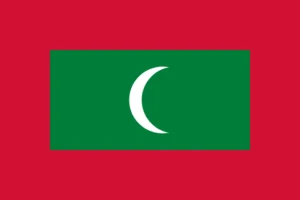
Capital: Malé
Currency: Maldivian rufiyaa (MVR)
Language: Dhivehi
Population: 515,132 (2022 census, including foreign residents)
Time zone: UTC+5 (Maldives Time)
Calling code: +960
Internet domain: .mv
Main airport: Velana International Airport (MLE)
Best time to visit: December to April for dry weather; June to November for manta season
📍 Maldives Map
🖼️ Maldives: Location, History, Culture & Food
✨ Complete Travel Guide
Where Is the Maldives Located?
The Maldives is an island country in the Indian Ocean, about 700 kilometres southwest of Sri Lanka and south of India’s Lakshadweep islands. Its 26 natural atolls form a chain running north to south, with the capital, Malé, near the middle. The country has no land borders.
Last checked: November 2026
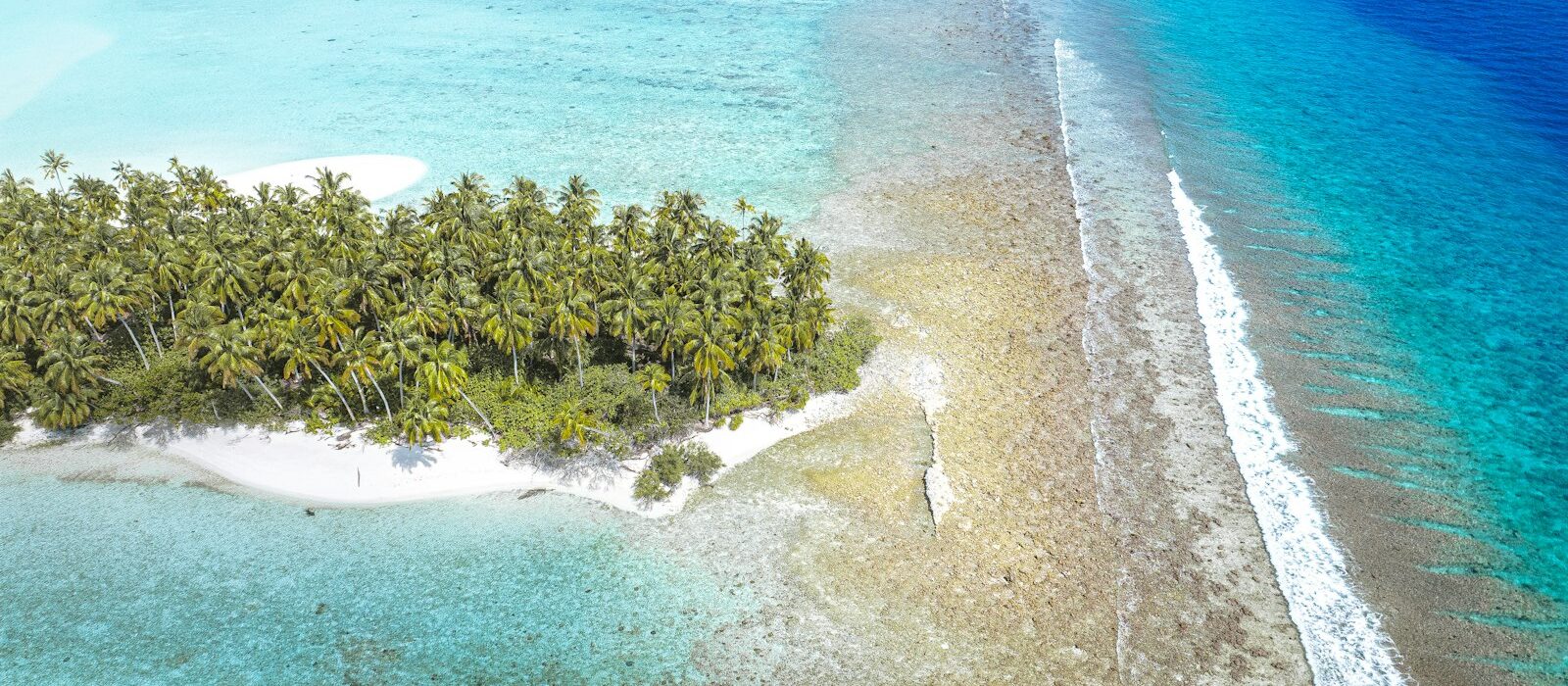
The islands are scattered across roughly 90,000 square kilometres of ocean, yet the land itself adds up to only about 298 square kilometres. Around 1,190 coral islands sit on a long submarine ridge, and only about 200 of them are inhabited. Most atolls are ring-shaped coral reefs enclosing a lagoon, with small, flat islands along the rim.
The chain crosses the equator. Addu Atoll and Fuvahmulah in the far south reach into the Southern Hemisphere, while Malé sits just north of the equator. The land is extremely low-lying: the highest natural point is only about 2.4 metres above sea level, which is why the country is so exposed to rising seas.
Introduction to the Maldives
The Maldives is a small island republic in the Indian Ocean, known for its coral atolls, turquoise lagoons and rich marine life. Dhivehi is the national language, Islam is the state religion and the currency is the rufiyaa. Malé is the capital and largest city, and tourism and fishing drive the economy.
Last checked: November 2026
The Maldives is a unitary presidential republic and the smallest country in Asia by land area. Malé occupies a tiny island of under ten square kilometres and is one of the most densely populated cities in the world, with more than 100,000 residents. Away from the capital, daily life centres on small island communities built around a mosque, a school and a few shops.
Visitors tend to meet the country in two ways. Resort islands are typically developed as self-contained retreats set in their own lagoons, while inhabited local islands show everyday Maldivian life, from fishing boats in the harbour to tea shops selling local snacks. Both depend on the sea: since the 1970s the economy has grown mainly through tourism, fishing and boatbuilding.
Beneath the surface, the reefs shelter abundant marine life, a large part of the country’s international appeal. The same low-lying geography leaves the islands highly vulnerable to sea-level rise, so climate adaptation, including sea defences around Malé, is a national priority.
To plan a trip, read our guides to Maldives visa requirements, the best places to visit in the Maldives, the best time to visit the Maldives, a Maldives itinerary, where to stay in the Maldives, flights to the Maldives and how to get around the Maldives.
History of the Maldives
The Maldives was first settled by Buddhist peoples, probably from Sri Lanka and southern India, and its last Buddhist king converted to Islam in 1153. After periods of Portuguese, Dutch and British influence, it became fully independent on 26 July 1965 and a republic in 1968.
Last checked: November 2026
The archipelago was inhabited as early as the 5th century BCE, and Buddhism remained the main faith for centuries. Remains of Buddhist stupas, locally called havitta, hatteli or ustubu, still point to that past. Most histories treat the conversion to Islam in 1153 as the cornerstone of the nation’s story. The converted king took the name Sultan Muhammad al-Adil, and the sultanate that followed lasted for more than eight centuries.
Because the islands sat on Indian Ocean trade routes, outside powers took an interest. The Portuguese ruled for a short period from 1558 to 1573, and the Dutch and later the British exercised influence over the islands. The Maldives became a British protectorate in 1887, but its sultans kept control of internal affairs. In 1959 three southern atolls broke away as the short-lived United Suvadive Republic, which ended in 1963.
Full independence from Britain came on 26 July 1965, and the Maldives joined the United Nations that September. Britain kept an air base on Gan, in the far south, until 1976. In 1968 a referendum ended the sultanate and a republic was proclaimed. Since the 1970s the economy has expanded rapidly through tourism, fishing and boatbuilding.
The best-known legacy of the sultanate era is the Hukuru Miskiy, or Old Friday Mosque, in Malé. It was completed in 1658 under Sultan Ibrahim Iskandar I and is built from carved coral stone, with woodcarving and lacquer work inside. It belongs to a group of coral stone mosques that the Maldives has placed on UNESCO’s Tentative List, and its compound includes an old cemetery of carved coral gravestones. Access and dress rules for visitors can change, so check them locally before you go.
Culture and Traditions of the Maldives
Maldivian culture blends South Asian, Arab and African influences around island life and the sea. Dhivehi is the national language, Sunni Islam is the state religion, and Friday is the main day of worship and rest. Boduberu drumming and lacquer work are among the best-known traditions.
Last checked: November 2026
Dhivehi is written in the Thaana script from right to left, and its vocabulary draws on Sanskrit, Arabic and Sinhala. Islam shapes daily life, from the five daily calls to prayer to the way people greet one another. Most festivals are Islamic, and the end of Ramadan is marked with particular celebration. Alcohol is not part of everyday local life and is mainly found at resorts that cater to visitors.
Boduberu, meaning big drum, is the best-loved form of traditional music and dance. It features large drums and call-and-response singing, is rooted in East African traditions, and is performed at community gatherings and festivals. You can still hear it on local islands and at some resort cultural evenings.
Craftsmanship is a point of pride. Lacquer work, known as liyelaa jehun, decorates wooden boxes, bowls and vases in red, black and yellow patterns and is closely linked to Thulhaadhoo island in Baa Atoll. Other traditional crafts include woodcarving, mat weaving, coir rope making and embroidery. Boatbuilding is another old skill, reflecting how much life depends on the sea.
Everyday etiquette follows the same Islamic and island customs. The working week runs from Sunday to Thursday, with Friday and Saturday as the weekend, and some local shops close around prayer times. On inhabited islands, modest dress is expected away from the designated swimwear beach, while resorts follow their own relaxed dress codes.
Food and Cuisine of the Maldives
Maldivian cuisine is built on tuna, coconut and rice, and fish is eaten daily in many forms. Signature dishes include mas huni, garudhiya, bis keemiya and fihunu mas, along with roshi flatbread. Local-island cafés usually serve these dishes more often than resort restaurants.
Last checked: November 2026
Tuna can be smoked, dried, boiled or grilled, and coconut and lime appear in many recipes. Chilli, onion and curry leaves add flavour, and meals are often finished with sweet hot tea. Tea shops serve short eats such as bis keemiya through the day. Here are ten signature Maldivian dishes to look for:
- Mas Huni: the classic breakfast of tuna, grated coconut, onion, chilli and lime, eaten with roshi.
- Garudhiya: a clear tuna broth served with rice, lime and chilli.
- Kiru Garudhiya: a creamier version of the broth made with coconut milk.
- Bis Keemiya: a triangular pastry, similar to a samosa, filled with egg, cabbage and often tuna.
- Fihunu Mas: spiced, chargrilled fish with a smoky flavour.
- Roshi: a thin, soft flatbread similar to chapati.
- Masroshi: stuffed roshi, usually with a savoury fish filling.
- Rihaakuru: a thick, concentrated fish sauce that adds depth to many meals.
- Kukulhu Riha: Maldivian chicken curry.
- Bondibaiy: a sweet rice dish made for celebrations.
Resort restaurants mostly serve international food, so local islands are the easiest place to try these dishes. Vegetarian options exist but vary by island and restaurant.
Food is also a social habit. Afternoon short eats, known as hedhikaa, are served with tea in homes and local cafés, which makes a tea shop stop a simple way to meet islanders while sampling everyday cooking.
Explore Maldives Travel Guides
Explore our detailed guides to plan every part of your Maldives trip.
Maldives: Best Places
A guide to the Maldives' standout places, from Malé's coral-stone mosque to Baa Atoll's manta waters, with advice on who each place...
View Guide ›Maldives: Best Time to Visit
When the Maldives is driest and when it is wetter, how conditions differ between atolls, and which months suit beaches, diving and...
View Guide ›Maldives: Flights
How to fly to the Maldives: the Velana Airport gateway, which airlines serve it, arrival steps and a pre-flight checklist for a...
View Guide ›Maldives: How to Get Around the
How to move between islands in the Maldives: ferries, speedboats, seaplanes and domestic flights compared, with tips on timing and common mistakes.
View Guide ›Maldives: Itineraries
Four realistic Maldives routes of 3, 5, 7 and 10 days, with overnight bases, transfer types and practical tips for planning around...
View Guide ›Maldives: Visa
What entry rules apply to tourists, how the free arrival visa and Traveller Declaration work, and what to do about extensions and...
View Guide ›Maldives: Hotels
A guide to choosing between resorts, local-island guesthouses and city stays in the Maldives, with area advice, booking tips and the taxes...
View Guide ›Explore Maldives Tours
Discover guided tours and adventures in Maldives. Compare itineraries, prices and traveller reviews on TourRadar before you book.
Guided tours & deals
Affiliate partner · Globe Navo may earn a commission from qualifying bookings at no extra cost to you.
❓ Maldives FAQ
Where is the Maldives located?
The Maldives is an island country in the Indian Ocean, about 700 kilometres southwest of Sri Lanka and south of the Lakshadweep islands of India. Its 26 natural atolls run north to south across the equator, with the capital, Malé, near the middle of the chain.
What is the capital of the Maldives?
Malé is the capital and largest city of the Maldives. It occupies a very small island of under ten square kilometres, yet it is home to more than 100,000 residents, making it one of the most densely populated cities in the world.
What language is spoken in the Maldives?
Dhivehi is the national language and is written in the Thaana script from right to left. Its vocabulary draws on Sanskrit, Arabic and Sinhala. English is widely used in tourism and government, so visitors can usually communicate easily at resorts and in Malé.
What currency does the Maldives use?
The Maldivian rufiyaa (MVR) is the national currency. Prices and payment options differ between resorts and local islands, so check current exchange rates and ask your accommodation which payment methods it accepts before you travel.
What food is the Maldives known for?
Maldivian cooking is built on tuna, coconut and rice. Signature dishes include mas huni, a tuna and coconut breakfast, garudhiya fish broth, bis keemiya pastries, fihunu mas grilled fish and roshi flatbread, and they are easiest to find on inhabited local islands.
Plan Your Trip to Maldives
Your Next Adventure in Maldives Awaits!
Explore Deals →🎁 Best deals for Maldives
Offers from trusted travel stores for your Maldives trip. Compare a few options before you book, and check each store's terms for the final price.
Browse by type: Hotel deals · Flight deals · Travel eSIM · Car rental
More destinations to explore
AndorraAndorra is a small Pyrenean country between France and Spain, known for skiing, hiking,…
 BelizeBelize is an English-speaking Central American country on the Caribbean coast, known for the…
 BelarusBelarus at a glance: where it sits, how its history unfolded, what shapes its…