 ThailandThailand sits in Southeast Asia between the Gulf of Thailand and the Andaman Sea,…
DESTINATION
Honduras
Discover Honduras: where it is, its Maya and Garifuna history, culture and traditions, and signature dishes such as baleadas, with links to every travel guide.
📅 Last updated:
🌍 Quick Facts

Honduras at a glance
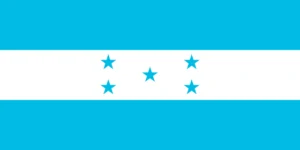
Capital: Tegucigalpa
Currency: Honduran lempira (HNL)
Language: Spanish
Population: About 10.8 million (World Bank, 2024)
Time zone: CST (UTC-6), no daylight saving time
Calling code: +504
Internet domain: .hn
Main airport: San Pedro Sula (SAP), Palmerola (XPL), Tegucigalpa (TGU), Roatán (RTB)
Best time to visit: November to April (dry season on the mainland)
📍 Honduras Map
🖼️ Honduras: Location, History, Culture & Food
✨ Complete Travel Guide
Safety Notice: The US Department of State rates Honduras Level 3, Reconsider Travel, in an advisory issued on 25 August 2026, citing crime and terrorism. It separately advises Level 4, Do Not Travel, for Gracias a Dios Department in the far east because of crime. The risk is not the same everywhere, so read the full advisory on travel.state.gov and the UK FCDO travel advice before you plan a trip. Last checked: November 2026.
Where Is Honduras Located?
Honduras is a Central American country on the land bridge between North and South America. Guatemala lies to its west, El Salvador to the southwest and Nicaragua to the southeast. It has a long Caribbean coastline to the north and a short Pacific coastline on the Gulf of Fonseca to the south.
Last checked: November 2026
The country covers about 112,090 square kilometres, slightly larger than the US state of Tennessee. Its Caribbean shoreline runs for roughly 669 kilometres, while the Pacific side along the Gulf of Fonseca is only about 163 kilometres. That imbalance means most beaches, ports and island destinations face the Caribbean, including the Bay Islands off the northern coast.
Tegucigalpa, the capital, sits in a mountain valley in the south-central highlands at an altitude of around 990 metres. The Choluteca River separates it from its twin city, Comayagüela, and together they form the Central District. San Pedro Sula in the north is the second major urban centre and is widely described as the country’s industrial and commercial engine, which makes Honduras unusual in Central America for having two large cities of comparable importance.
Much of the interior is rugged highland, with towns and cities tucked into broad valleys. Alluvial plains run along the Caribbean and Pacific lowlands, while the eastern region known as La Mosquitia is the least developed and most sparsely populated part of the country. The highest point is Cerro Las Minas at about 2,870 metres. The lowlands are subtropical, whereas the mountains are noticeably cooler and more temperate.
Introduction to Honduras
Honduras, officially the Republic of Honduras, is a Spanish-speaking Central American republic of roughly 10.8 million people. Its capital is Tegucigalpa and its currency is the lempira. It is best known for the Maya ruins of Copán, the Bay Islands and a cultural mix of Indigenous, Afro-Caribbean and Spanish heritage.
Last checked: November 2026
Spanish is the official language, and Hondurans often call themselves Catrachos, or Catrachas for women. The national motto, Libre, Soberana e Independiente, means Free, Sovereign and Independent. The state is a unitary presidential republic, and the country is divided into departments that are further split into 298 municipalities.
Most people live in the mountainous western half of the country, with the largest concentrations in and around Tegucigalpa and San Pedro Sula. The sparsely settled east, by contrast, is dominated by forest, rivers and lagoons. This contrast gives visitors very different experiences depending on where they go, from colonial towns and Maya archaeology in the west to Caribbean coast communities and offshore reefs in the north.
For travellers, the appeal lies in the combination of heritage and nature: ancient stone cities, living Indigenous and Garifuna traditions, mountain scenery and warm Caribbean waters. The sections below explain how that mix came about, starting with the long history behind the modern republic.
When you are ready to plan, start with the Honduras visa requirements, browse the best places to visit in Honduras and check the best time to visit. Our Honduras itineraries turn those ideas into routes, while guides to where to stay, flights to Honduras and getting around Honduras cover the practical details.
History of Honduras
Honduras was home to Indigenous peoples for thousands of years before the Maya city-state of Copán rose to prominence. Spain colonised the region in the sixteenth century, and the country declared independence on 15 September 1821. It became a separate sovereign republic in 1838 after the Central American federation dissolved.
Last checked: November 2026
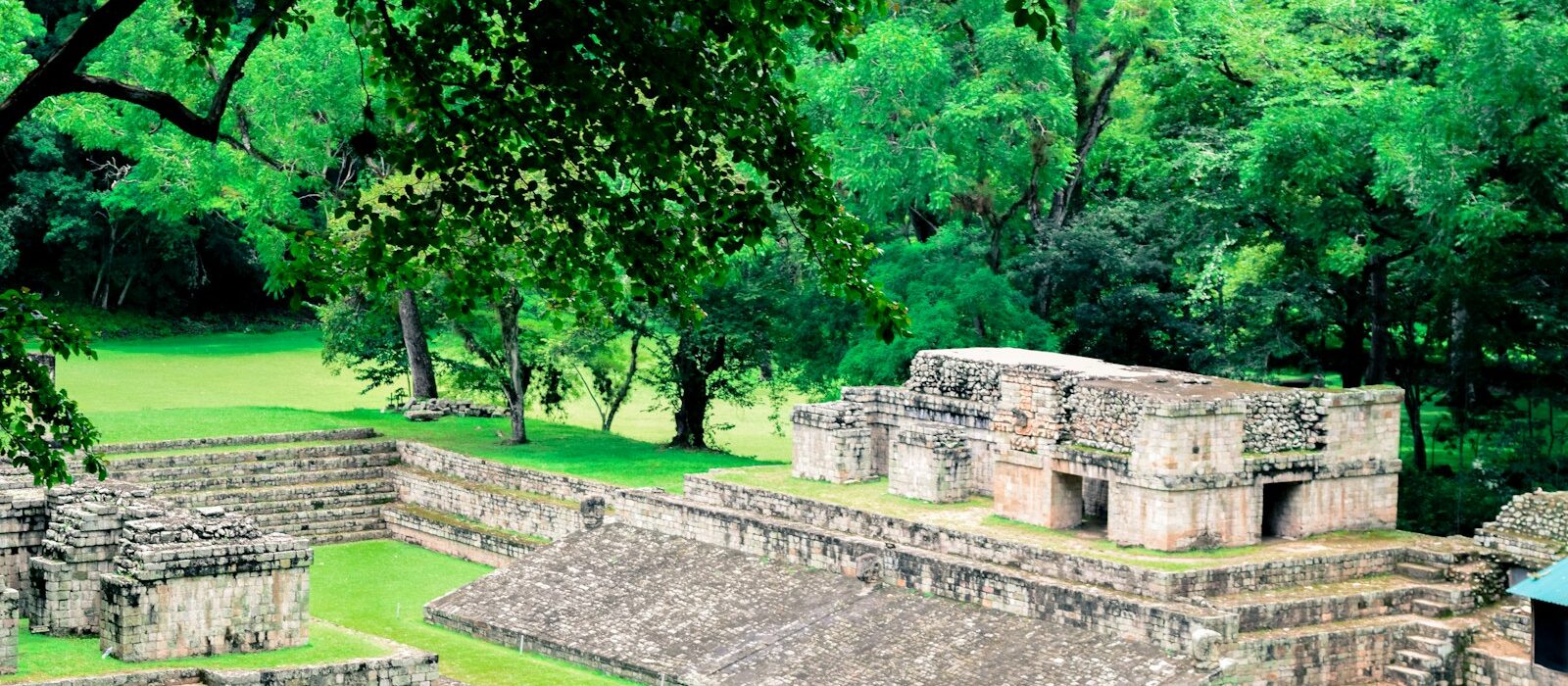
Copán, in the far west near the Guatemalan border, became one of the leading cities of the Maya world from about the fifth century. It was famous for its sculpture, hieroglyphic inscriptions and astronomy, and its rulers were commemorated on carved stone monuments. The city declined and was abandoned around the ninth century, and by the time Europeans arrived, the Lenca were the principal Indigenous people of the west.
Christopher Columbus sailed along the Honduran coast in 1502, and the Spanish later founded towns such as Trujillo, Gracias, Comayagua and Tegucigalpa. Silver mining shaped the colonial economy, particularly around Comayagua and Tegucigalpa. In 1797, around 5,000 Garifuna were landed on the island of Roatán, beginning the settlement of the Caribbean coast by a community that is central to Honduran identity today.
Honduras gained independence from Spain in 1821, was briefly annexed to the First Mexican Empire, and then joined the Central American federation. The Honduran general Francisco Morazán was one of the strongest advocates of keeping that union together, but it collapsed and Honduras proclaimed itself a separate state in 1838. In the late nineteenth and early twentieth centuries, American fruit companies came to dominate the economy, and the writer O. Henry used the phrase banana republic for Honduras in the early 1900s, a term that later spread worldwide.
Culture and Traditions of Honduras
Honduran culture blends Indigenous, African and Spanish influences. The Lenca are the largest Indigenous group, and the Afro-Indigenous Garifuna of the Caribbean coast are known for punta music and dance. Roman Catholicism shapes many festivals, while Spanish is the common language of daily life.
Last checked: November 2026
Honduras recognises several Indigenous and Afro-descendant peoples, including the Lenca, Garifuna, Miskito, Tolupan, Nahua, Chorti, Pech and Tawahka. Many have kept their own languages, crafts and ceremonies. Lenca potters, for example, still make reddish-brown ceramics in villages such as La Campa, and a Lenca Trail has developed to introduce visitors to communities in the south-west.
Garifuna culture has been recognised by UNESCO as part of humanity’s intangible heritage. Drumming, call-and-response singing and the energetic dance known as punta are the heart of it, alongside the slower paranda tradition. Garifuna cooking, language and storytelling also continue to define life in coastal towns.
The festival calendar mixes faith and celebration. San Pedro Sula hosts the Feria Juniana each June in honour of its patron saint, with concerts, parades and fairground entertainment. La Ceiba is known for its large carnival, and Holy Week in Comayagua is famous for streets decorated with coloured-sawdust carpets. Family meals, football and music complete the picture of everyday Honduran life, and visitors who show interest in local customs are generally met with warmth.
Food and Cuisine of Honduras
Honduran food centres on corn, beans, plantain, rice, cheese and, along the Caribbean coast, coconut and seafood. Signature dishes include baleadas, plato tipico, sopa de caracol and pollo con tajadas. Lunch is usually the main meal of the day.
Last checked: November 2026
Here are eleven signature dishes worth looking for:
- Baleadas: a folded wheat tortilla filled with refried beans, cheese and cream, often with egg, avocado or meat added.
- Plato tipico: a generous plate of grilled beef or chicken with beans, rice, plantain, pickled cabbage, cream and tortillas.
- Pollo con tajadas: fried chicken with crisp green-plantain slices, cabbage and sauces, also called pollo chuco.
- Sopa de caracol: conch simmered in coconut milk with cassava, plantain and herbs, a Caribbean coast classic.
- Tapado: a Garifuna coconut-based stew of seafood and plantain, with a salted-beef version found in other regions.
- Pescado frito con tajadas: whole fried fish served with plantain slices and pickled onions.
- Machuca: mashed plantain commonly served with fish soup on the coast.
- Pupusas: thick stuffed corn tortillas, sold as street food, often filled with beans and cheese.
- Nacatamales: corn-dough parcels cooked in leaves, usually eaten on special occasions.
- Montucas: corn tamales linked to Lenca food traditions.
- Rosquillas: ring-shaped corn and cheese baked treats served at breakfast or as a snack.
Coconut features in both sweet and savoury cooking, and cassava bread is a Garifuna staple. Street stalls and local comedores are the easiest places to try these dishes at modest cost, and many Hondurans eat baleadas at any hour of the day.
Explore Honduras Travel Guides
Explore our detailed guides to plan every part of your Honduras trip.
Honduras: Best Places
Explore the best places to visit in Honduras, from the Maya ruins of Copan and Bay Islands reefs to national parks, Lake...
View Guide ›Honduras: Best Time to Visit
Find the best time to visit Honduras with dry and rainy seasons, month-by-month conditions, hurricane risk, festivals and regional climate differences.
View Guide ›Honduras: Flights
Plan flights to Honduras with the main international airports, airlines, arrival tips, a before-you-fly checklist and flight deals to compare.
View Guide ›Honduras: Getting Around
Get around Honduras with this guide to intercity buses, domestic flights, ferries, taxis, car rental, driving rules and a practical travel checklist.
View Guide ›Honduras: Itineraries
Plan your trip with realistic Honduras itineraries for 3, 5, 7 and 10 days covering Copan, Lake Yojoa, the north coast and...
View Guide ›Honduras: Visa
Check Honduras visa requirements by nationality, passport rules, the 90-day stay, CA-4 border travel, overstay fines and official immigration portals.
View Guide ›Honduras: Hotels
Find where to stay in Honduras, from Roatan resorts and Copan Ruinas to city hotels, with area tips, booking advice and current...
View Guide ›Explore Honduras Tours
Discover guided tours and adventures in Honduras. Compare itineraries, prices and traveller reviews on TourRadar before you book.
Guided tours & deals
Affiliate partner · Globe Navo may earn a commission from qualifying bookings at no extra cost to you.
❓ Honduras FAQ
What is the capital of Honduras?
Tegucigalpa is the capital of Honduras. It sits in a highland valley in the south-central part of the country at roughly 990 metres, and forms the Central District together with its twin city Comayagüela. San Pedro Sula in the north is the second major city and the main commercial centre.
What language do people speak in Honduras?
Spanish is the official language and the one used in daily life. Indigenous and Afro-descendant communities also keep their own languages, including Garifuna on the Caribbean coast. Visitors elsewhere will find basic Spanish very useful when travelling around the country.
What is Honduras best known for?
Honduras is best known for the Maya ruins of Copán, the Bay Islands with their Caribbean reefs, and a cultural mix of Indigenous, Garifuna and Spanish heritage. Its mountains, colonial towns and coastal communities add variety to a relatively small country.
Who are the Garifuna of Honduras?
The Garifuna are an Afro-Indigenous people who live mainly along the Caribbean coast. Around 5,000 were landed on Roatán in 1797 and later settled the coast. Their language, drumming, punta dance and cooking are recognised by UNESCO as part of humanity’s intangible heritage.
What are typical Honduran foods?
Baleadas, a folded wheat tortilla with beans, cheese and cream, are the best-known dish. Others include plato típico, pollo con tajadas and, on the Caribbean coast, sopa de caracol. Corn, beans, plantain and, near the sea, coconut and seafood are central to the cuisine.
Plan Your Trip to Honduras
Your Next Adventure in Honduras Awaits!
Explore Deals →🎁 Best deals for Honduras
Offers from trusted travel stores for your Honduras trip. Compare a few options before you book, and check each store's terms for the final price.
Browse by type: Hotel deals · Flight deals · Travel eSIM · Car rental
More destinations to explore
ThailandThailand sits in Southeast Asia between the Gulf of Thailand and the Andaman Sea,… MonacoMonaco is a tiny principality on the French Riviera, known for its harbour, royal…

 LithuaniaLithuania is a Baltic country of medieval old towns, forests and a sandy coast.…
