Ecuador has no single best season, because the Andes, the Pacific coast, the Amazon and the Galápagos all follow different weather patterns. Altitude matters more than the calendar in many places. This guide explains the main seasons, the regional differences and what to pack. See the Ecuador destination guide for background on each region.
Quick answer: The drier months from June to September are often considered the most reliable for the Andes and the Amazon highlands, while the coast and the Galápagos are warmer and wetter from roughly December to May. The best time depends on the region and what you want to do, so match your dates to your itinerary.
Last checked: November 2026
Ecuador’s Seasons by Region
Andes (Sierra)
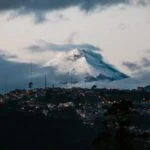
Quito and the highlands stay mild year-round because of altitude. The drier season generally runs from about June to September, with clearer views of volcanoes, while the wetter months bring afternoon showers, mostly from October to May. Mornings are often clear in every month, so plan hikes early. Evenings are cool at any time of year.
Pacific coast (Costa)
The coast is hot and humid with a rainy season that usually runs from about December to May. From roughly June to November it is drier and often cooler and cloudier. Beach travellers often prefer the warm months, while whale watching usually takes place in the middle of the year. Check official safety advice for coastal provinces before booking.
Amazon (Oriente)
The rainforest is wet in all months, and showers can come at any time. Some periods are drier, and river levels change through the year, which affects boat access and wildlife viewing. Plan for rain gear and flexible schedules, and confirm road and river conditions with your lodge.
Galápagos Islands
The islands have a warm, wetter season from about December to May, with calmer seas and warmer water for snorkelling. The cooler, drier season from about June to November brings cooler water, mist in the highlands and rougher seas. Wildlife is active all year, and different species put on different shows in each season, so choose by interest.
Month-by-Month Overview
- January to March: warm and wet on the coast and in the Galápagos; green highlands with afternoon showers. Carnival falls in February or March.
- April to May: the wet season is easing on the coast; changeable weather in the Andes.
- June to September: the Andes are usually at their driest and the coast cooler. This is a popular period for travellers, and whale-watching on the coast is often possible.
- October to November: showers return to the highlands; the Galápagos are still in the cooler season.
- December: a short drier spell in the Andes, festive season and busy travel period, with rain building on the coast.
These are general patterns, not forecasts. Ecuador’s national weather service, INAMHI, publishes current forecasts and alerts, and we recommend checking it before you travel.
Festivals and Holidays
- Carnival (February or March): celebrated nationwide with water play; some towns are very busy.
- Holy Week (March or April): processions in Quito and the traditional fanesca soup.
- Inti Raymi (around June): sun festivals in Indigenous Andean communities.
- Independence-related holidays: dates fall on 24 May, 10 August and 9 October for different commemorations.
- Day of the Dead (2 November): family visits to cemeteries and colada morada with bread figures.
- Quito foundation festivities (December): events in the capital.
Public holidays can change when governments move dates to create long weekends, so confirm the calendar for your travel year. Ramadan is not a major factor in Ecuador, although some visitors choose to check the dates against their own travel plans.
Peak and Low Seasons
Travel demand tends to rise in the middle of the year, over the Christmas and New Year period, and during Carnival and Holy Week. Prices and availability, especially for Galápagos cruises, can be tighter at these times, so book early. Quieter periods can offer easier availability, but check weather and access conditions for the region you plan to visit.
Best Season by Travel Style
- Volcano hiking and highland scenery: the drier months, roughly June to September.
- Galápagos snorkelling: the warmer months, roughly December to May.
- Whale watching: the middle months, along the central Pacific coast.
- Cultural festivals: check specific festival dates; many fall in February to April, June and November.
- Budget travel: shoulder periods outside the main holidays.
What to Pack
Pack in layers. Highland weather can change from sun to rain to cold within hours, so bring a light waterproof jacket, a warm layer, sun protection and sturdy shoes. For the coast and the Galápagos, add light clothing, a hat, reef-safe sun cream and swimwear. For the Amazon, pack quick-dry clothing, insect repellent and a rain poncho. Bring any medication you need, and carry a copy of your documents. For help turning the seasons into a plan, see our Ecuador itinerary ideas and best places to visit in Ecuador.
Frequently Asked Questions
What is the best month to visit Ecuador?
There is no single best month. June to September is often best for the Andes, while December to May suits the coast and Galápagos snorkelling. Choose by region and activity, and check current weather forecasts and official safety advice before you book.
When is the rainy season in Ecuador?
It depends on the region. The Andes are generally wetter from about October to May, the coast is wetter from about December to May, and the Amazon is wet year-round. Showers are often shorter in the highlands and heavier on the coast.
Is the Galápagos better in the wet or dry season?
Both seasons have advantages. The warmer, wetter season suits snorkelling and calmer seas, while the cooler, drier season has cooler water and different wildlife activity. Decide by species and conditions you want, and check cruise or tour details for your dates.
Do I need to worry about altitude?
Quito sits at about 2,850 metres and some destinations are higher, so altitude can affect visitors. Rest on arrival, drink water, limit alcohol and ascend gradually. If you have health concerns, ask your doctor before you travel.