Denmark is compact, which means a short trip can combine a vibrant capital, medieval towns, castles, islands and wide beaches. This guide groups the most worthwhile places by type and explains why to go, how long to allow and who each place suits best. Opening hours and seasonal closures change, so check each attraction’s official website before you go. For background on the country, see our Denmark travel guide.
What Are the Best Places to Visit in Denmark?
The most popular places include Copenhagen, Aarhus, Odense, Roskilde, Kronborg Castle in Helsingør, Møns Klint, Skagen and the Wadden Sea coast near Ribe. Together they cover city life, Viking and royal history, white cliffs and long beaches, all within a few hours of each other by train or car.
Last checked: November 2026
We do not rank places as officially best, because Denmark’s tourism bodies do not publish such a list. Instead, the sections below describe what each place offers so you can match it to your interests.
Major Cities
Copenhagen
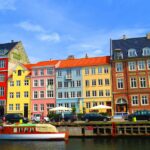
Why visit: the capital combines canal-side streets, design shops, parks, palaces and one of Europe’s strongest food scenes. Main attractions include Nyhavn harbour, Tivoli Gardens, Rosenborg Castle, Christiansborg Palace and the Design Museum Denmark. Allow three days. Best for first-time visitors, couples, design lovers and food travellers.
Aarhus
Why visit: Denmark’s second city has a lively student culture, a revitalised harbour and strong museums. Look for the ARoS art museum, the Old Town open-air museum and the Latin Quarter. Allow one to two days. Best for culture seekers and travellers who like a more relaxed city than Copenhagen.
Odense
Why visit: this island city is the birthplace of Hans Christian Andersen and has a compact, walkable centre. The Hans Christian Andersen museum and the old town streets are the highlights. Allow half a day to one day. Best for families and literature fans.
Historic Places
Roskilde
Why visit: Roskilde was an early royal seat and has a UNESCO-listed cathedral and the Viking Ship Museum, which displays original Viking vessels. It sits close to Copenhagen and works as a day trip. Allow a half to full day. Best for history lovers and families.
Jelling
Why visit: the Jelling mounds, runic stones and church in Jutland form a UNESCO World Heritage Site linked with the early Danish kings. Allow two to three hours, ideally combined with a drive through Jutland. Best for Viking and history enthusiasts.
Kronborg Castle, Helsingør
Why visit: this Renaissance castle is a UNESCO site and is associated with Shakespeare’s Hamlet. Allow two to three hours, plus time in the harbour town. Best for castle fans and short day trips from Copenhagen.
Ribe
Why visit: Ribe is one of Denmark’s oldest towns, with crooked streets, historic houses and a cathedral. Allow half a day or an overnight stay. Best for slow, atmospheric sightseeing.
Natural Attractions and National Parks
Møns Klint
Why visit: bright white chalk cliffs rise above the Baltic Sea, with forest paths and a staircase to the beach. Allow half a day. Best for walkers and photographers, ideally in good weather. Check local notices about path and beach conditions, since cliff areas can be affected by erosion.
Skagen and Grenen
Why visit: Denmark’s northern tip is known for light, dunes and the point where two seas meet. Allow one day or an overnight stay. Best for beach walkers, artists and travellers who enjoy remote landscapes.
Thy National Park and the Wadden Sea
Why visit: Thy National Park protects dunes and coastal heath in western Jutland, while the Wadden Sea is a UNESCO-listed tidal landscape with birdlife. Allow one to two days. Best for hikers, nature lovers and birdwatchers.
Beaches and Coastal Destinations
Denmark’s western coast has broad North Sea beaches, such as those around Blåvand and Rømø, while the eastern islands have calmer Baltic shores. Water temperatures stay cool even in summer, so many visitors come for walking, cycling, sandcastles and dunes more than long swims. Bornholm, in the Baltic Sea, is a popular island for cycling and small fishing villages.
Cultural and Family Attractions
Legoland in Billund is a leading family attraction, and Tivoli Gardens in Copenhagen blends rides, gardens and evening events. Open-air museums, such as the Old Town in Aarhus, show how Danes lived in earlier centuries. Check opening seasons, because some attractions close or reduce hours outside summer.
Food Destinations
Copenhagen leads for restaurants, bakeries and food halls, while Aarhus has a strong café and market scene. Smaller towns offer smørrebrød lunches, smokehouses and seasonal markets. Book popular restaurants early, especially for weekend dinners.
Official Sources
Best Places in Denmark FAQs
How many days do I need in Denmark?
Three days are enough for Copenhagen and one day trip. Five to seven days let you add Odense and Aarhus, and ten days allow time for Jutland and the coast. Our itinerary guide gives day-by-day routes you can adapt.
Is Copenhagen the only place worth visiting?
No. Copenhagen is the main hub, but Aarhus, Odense, Roskilde, Ribe and the west coast offer different atmospheres. Distances are short, so you can combine several by train or car without long transfers.
What is the best day trip from Copenhagen?
Roskilde and Helsingør are the most popular because they are close and easy to reach by train. Roskilde suits Viking history, while Helsingør suits castles and harbour scenery. Check train times and attraction hours before you set off.
Where can I see Viking history in Denmark?
Roskilde’s Viking Ship Museum and the Jelling monuments are the best-known sites. Local museums across Denmark also display Viking finds. Check current opening times, as some sites have seasonal schedules or temporary exhibition changes.