 FijiWhere Is Fiji Located? Fiji is an island nation in the South Pacific Ocean,…
DESTINATION
Cuba
Cuba travel guide covering where Cuba is, its history, culture and traditions, and its signature food, with links to visa, flights, hotels and itinerary guides.
📅 Last updated:
🌍 Quick Facts

Cuba at a glance
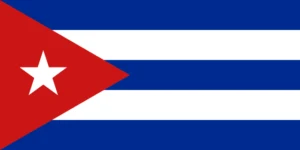
Capital: Havana
Currency: Cuban peso (CUP)
Language: Spanish
Population: About 10 million
Time zone: UTC-5 (UTC-4 in summer)
Calling code: +53
Internet domain: .cu
Main airport: José Martí International Airport (HAV), Havana
Best time to visit: December to April (dry season)
📍 Cuba Map
🖼️ Cuba: Location, History, Culture & Food
✨ Complete Travel Guide
Safety notice: the UK government advises against all but essential travel to Cuba. The UK Foreign, Commonwealth and Development Office (FCDO) applies this advice to the whole country and describes serious power outages and fuel shortages that disrupt transport, flights and daily services. Read the current UK FCDO travel advice and the US State Department advisory before making any plans. Travelling against official advice can invalidate travel insurance.
Where Is Cuba Located?
Cuba is an island nation in the northern Caribbean, about 145 kilometres south of Key West, Florida, across the Straits of Florida. It lies west of Haiti and the Windward Passage, north of Jamaica and the Cayman Islands, and east of Mexico’s Yucatán Peninsula. Havana, the capital, sits on the north-west coast.
Last checked: November 2026
The Republic of Cuba is the largest island country in the Caribbean, covering roughly 110,000 square kilometres. It is made up of the main island, the Isla de la Juventud (Isle of Youth) and thousands of smaller islands and cays. The main island is long and narrow, stretching roughly 1,250 kilometres from west to east and rarely more than about 200 kilometres from north to south.
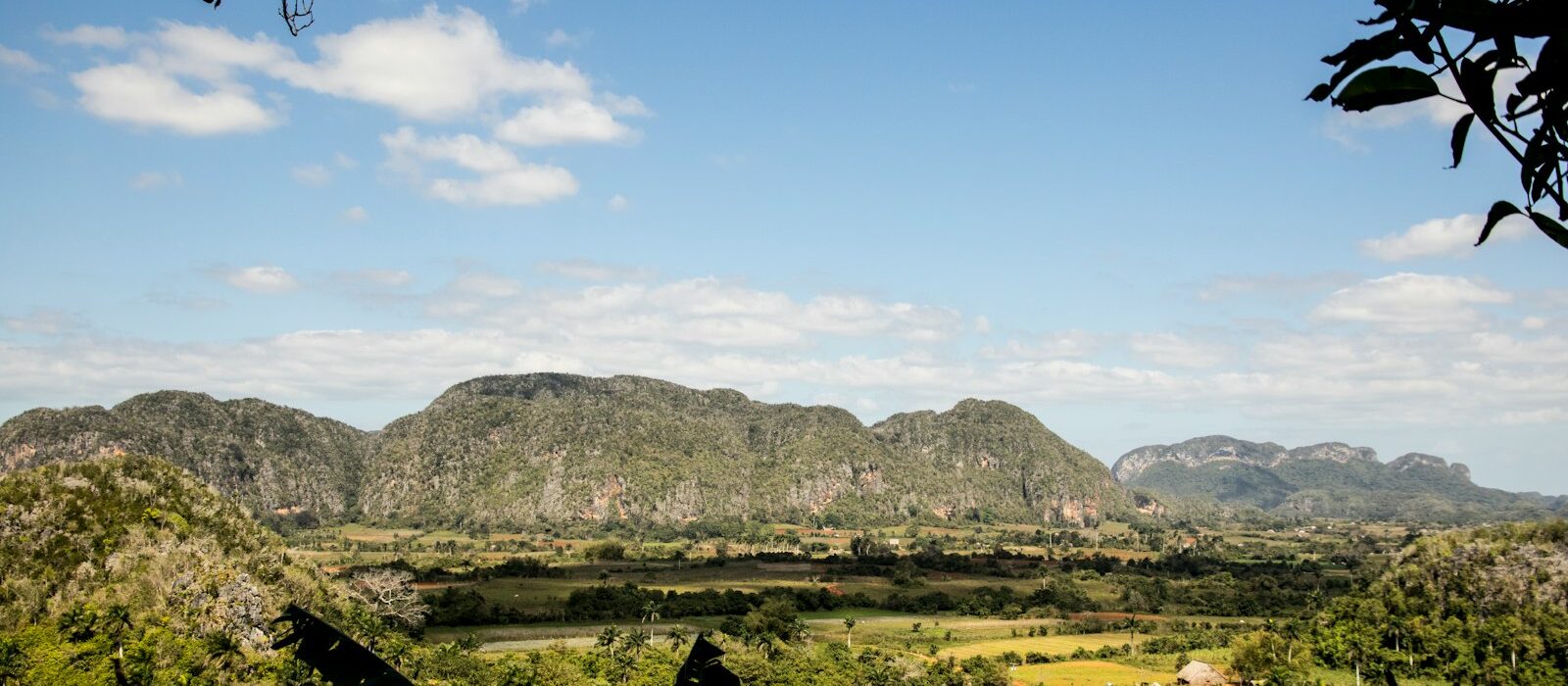
Most of the land is plains and rolling hills. Three mountain systems break up the landscape: the Guaniguanico range in the west, which includes the Viñales Valley; the Escambray mountains in the centre; and the Sierra Maestra in the south-east, where Pico Turquino rises to about 1,970 metres as the highest point. The Cauto is the longest river.
Cuba has a tropical climate, with a warmer and wetter season from about May to October and a drier, slightly cooler season from about November to April. The Atlantic hurricane season runs from 1 June to 30 November. The country uses Cuba Standard Time (UTC−5) and moves to daylight saving time (UTC−4) in summer. It is divided into 15 provinces plus the special municipality of Isla de la Juventud. Havana is by far the largest city, followed by Santiago de Cuba, Camagüey, Holguín and Santa Clara.
Because the island is so long, distance and weather shape every plan. The month-by-month guide to the best time to visit Cuba explains the seasons, and the guide to getting around Cuba explains how far apart the main places are and which transport links are affected by current shortages.
Introduction to Cuba
Cuba is a one-party socialist republic with about 10 million people and Spanish as its official language. Havana is the capital, the national currency is the Cuban peso (CUP), and the international calling code is +53. The island is known for colonial architecture, classic cars, music, tobacco, beaches and nine UNESCO World Heritage properties.
Last checked: November 2026
Cuba’s identity is built on layers of history. Indigenous Taíno communities, Spanish colonisers, enslaved Africans and later migrants from Europe, Asia and other parts of the Americas all shaped its language, religion, music and food. UNESCO lists nine World Heritage properties in the country, including Old Havana and its Fortifications, Trinidad and the Valley de los Ingenios, the Viñales Valley and the Urban Historic Centre of Cienfuegos. The full list is on the UNESCO page for Cuba.
- Official name: Republic of Cuba (República de Cuba)
- Capital: Havana (La Habana)
- Language: Spanish
- Currency: Cuban peso (CUP)
- Calling code and domain: +53 and .cu
The country is a rewarding destination, but it needs careful preparation. Since January 2026, United Nations humanitarian reporting has described a severe reduction in fuel supplies across the island, and the UK government currently advises against all but essential travel. Entry rules have also changed. Start with the Cuba visa guide for tourists and the page on flights to Cuba, then read the guide to hotels and places to stay in Cuba, which also explains private homestays known as casas particulares.
History of Cuba
Cuba was home to Taíno and other Indigenous peoples before Christopher Columbus reached the island in 1492 and Spain colonised it. After long wars of independence, Cuba became a republic in 1902. The 1959 revolution led by Fidel Castro created a socialist state that has shaped relations with the United States ever since.
Last checked: November 2026
Indigenous peoples and Spanish rule
Columbus arrived in late October 1492, and Spain began its conquest in 1511 under Diego Velázquez, founding Baracoa as the first settlement. Havana was established at its present harbour in 1519 and became a key port for Spanish ships crossing the Atlantic. Indigenous communities declined sharply under colonial rule, through disease, forced labour and violence.
Sugar, slavery and the wars of independence
Sugar and tobacco plantations grew rapidly, worked by enslaved Africans, and slavery was not abolished until 1886. The Ten Years’ War against Spain began on 10 October 1868. The writer and organiser José Martí founded the Cuban Revolutionary Party in 1892 and died in battle in 1895, soon after the final independence war began.
Republic and revolution
The United States entered the war in 1898, and Spain gave up control of the island. After a period of US military occupation, Cuba became a republic on 20 May 1902, with the US keeping the right to intervene and, from 1903, a naval base at Guantánamo Bay. Fulgencio Batista took power in a coup in 1952. Fidel Castro and his supporters attacked the Moncada barracks on 26 July 1953, and Batista fled on 1 January 1959.
Cold War to the present
The United States imposed a trade embargo in the early 1960s, and Cuba came to rely on the Soviet Union until its collapse in 1991, which began the hardship known as the Special Period. Raúl Castro succeeded his brother Fidel in 2008, and in December 2014 Cuba and the United States announced a move to restore relations. Miguel Díaz-Canel became president in 2018, and a new constitution was approved in 2019. Large protests took place on 11 July 2021, and since early 2026 fuel and electricity shortages have dominated daily life.
Many of the places tied to this history are covered in the guide to the best places to visit in Cuba.
Culture and Traditions of Cuba
Cuban culture blends Spanish, African and Indigenous influences, most visibly in music, dance, religion and food. Spanish is the national language, Catholicism and Afro-Cuban religions such as Santería are widely practised, and music styles like son and rumba are part of everyday life across the island.
Last checked: November 2026
Language and everyday life
Cubans are known for warmth, humour and conversation. Greetings are friendly, often with a handshake or a kiss on the cheek between friends, and people are used to chatting with visitors. Family ties are strong, and many households share a home across several generations. Domino games, street conversation and evenings along Havana’s Malecón seafront are part of ordinary social life.
Music and dance
Music is the best-known cultural export. Son, a blend of Spanish guitar traditions and African rhythms, is the root of salsa. Rumba, which grew from Afro-Cuban communities, was recognised by UNESCO as intangible cultural heritage in 2016. Other styles include mambo, cha-cha-chá, danzón and trova. The Buena Vista Social Club recordings of the late 1990s brought older Cuban styles to a global audience, and the Ballet Nacional de Cuba is respected worldwide.
Religion
Catholicism arrived with the Spanish, and Pope visits in 1998, 2012 and 2015 drew attention to it. Santería, or Regla de Ocha, grew from Yoruba beliefs brought by enslaved Africans and blends with Catholic saints. Many Cubans mix both, and you may see people dressed in white while they are initiated into Santería.
Holidays and festivals
Major national holidays include 1 January, 1 May, the 25 to 27 July celebrations, 10 October and 25 December. The Santiago de Cuba Carnival is traditionally held in July and is one of the best-known festivals, although events can be postponed or scaled back when conditions are difficult. Baseball is the national passion, and games draw lively crowds.
Food and Cuisine of Cuba
Cuban food is hearty home cooking built on rice, beans, pork, chicken, root vegetables and citrus-garlic sauces. Signature dishes include ropa vieja, moros y cristianos, lechón asado and yuca con mojo. Food is seasoned rather than spicy, and strong sweet coffee usually finishes a meal.
Last checked: November 2026
The cuisine mixes Spanish, African and Caribbean traditions. Cooks rely on garlic, onion, cumin, oregano, bay leaf and sour orange rather than chilli. These are the dishes most associated with Cuba:
- Ropa vieja: shredded beef slow-cooked in a tomato, pepper and onion sauce, usually served with rice.
- Moros y cristianos: black beans and white rice cooked together.
- Congrí: rice cooked with red beans, common in the east.
- Lechón asado: slow-roasted pork marinated in garlic and sour orange, a centrepiece of celebrations.
- Arroz con pollo: chicken cooked with rice, peppers and spices.
- Picadillo: minced beef cooked with tomato, olives and raisins.
- Vaca frita: shredded beef grilled until crisp, with onions and lime.
- Yuca con mojo: boiled cassava topped with garlic and citrus sauce.
- Tostones and mariquitas: fried green plantain, either thick and pressed or in thin chips.
- Tamal: a cornmeal parcel filled with pork, steamed in corn husks.
- Flan: a creamy caramel custard, the classic dessert.
Coffee is served as a small, strong and sweet shot called a cafecito. Drinks associated with Cuba include the mojito, the daiquiri and the Cuba libre, all made with local rum, and fresh sugarcane juice known as guarapo. Restaurants run by private owners, called paladares, offer home-style menus, and casas particulares often serve breakfast and dinner on request.
Since 2026, shortages of fuel, power and supplies have made food availability uneven, so menus can be limited and some places close early. To see how meals fit into a route, use the suggested Cuba itineraries.
Explore Cuba Travel Guides
Explore our detailed guides to plan every part of your Cuba trip.
Cuba: Visa
How the Cuban tourist visa and D'Viajeros form work, which documents to prepare, and what to check at the border before you...
View Guide ›Cuba: Best Places
Historic cities, valleys, wetlands and beaches worth visiting in Cuba, with time needed, who each place suits and what to check before...
View Guide ›Cuba: Best Time to Visit
Cuba's dry and wet seasons, hurricane risk, month-by-month conditions, holidays, packing tips and the best season for each travel style.
View Guide ›Cuba: Itineraries
Realistic 3, 5, 7 and 10 day Cuba itineraries built around Havana, Viñales, Cienfuegos, Trinidad and the coast, with practical planning advice.
View Guide ›Cuba: Hotels
Best areas to stay in Havana and beyond, hotel, resort and casa particular options, and what to confirm before booking in Cuba.
View Guide ›Cuba: Flights
International airports, airlines and routes for flying to Cuba, arrival tips, time zone and a pre-flight checklist, with notes on 2026 fuel...
View Guide ›Cuba: Getting Around
How to travel within Cuba: Viazul buses, trains, domestic flights, car rental, taxis and ferries, with distances and 2026 fuel-shortage warnings.
View Guide ›Explore Cuba Tours
Discover guided tours and adventures in Cuba. Compare itineraries, prices and traveller reviews on TourRadar before you book.
Guided tours & deals
Affiliate partner · Globe Navo may earn a commission from qualifying bookings at no extra cost to you.
❓ Cuba FAQ
Where is Cuba located?
Cuba is an island nation in the northern Caribbean, about 145 kilometres south of Key West, Florida. It lies west of Haiti, north of Jamaica and east of the Yucatán Peninsula in Mexico. Havana, the capital, is on the north-west coast of the main island.
What is the capital and official language of Cuba?
The capital is Havana, and the official language is Spanish. The national currency is the Cuban peso (CUP), and the international calling code is +53. Basic Spanish is helpful for everyday travel, especially outside the main tourist areas.
What is Cuba known for?
Cuba is known for its colonial architecture, classic cars, music such as son and rumba, tobacco, beaches and nine UNESCO World Heritage properties, including Old Havana, Trinidad and the Viñales Valley. Spanish, African and Indigenous influences shape its food, religion and daily life.
What food should I try in Cuba?
Try ropa vieja, moros y cristianos, lechón asado, yuca con mojo and tostones, then finish with flan and a small cup of strong sweet coffee. Meals are usually seasoned with garlic, cumin and sour orange rather than chilli, so most dishes are mild.
Is it safe to travel to Cuba now?
The UK government advises against all but essential travel to Cuba because of power outages, fuel shortages and disrupted transport. Check the current UK FCDO and US State Department advisories, buy insurance that covers Cuba, and read the visa and flights guides before you plan.
Plan Your Trip to Cuba
Your Next Adventure in Cuba Awaits!
Explore Deals →🎁 Best deals for Cuba
Offers from trusted travel stores for your Cuba trip. Compare a few options before you book, and check each store's terms for the final price.
Browse by type: Hotel deals · Flight deals · Travel eSIM · Car rental
 SimOptionsFind the latest SimOption promo code and coupon code for travel eSIM data plans. See how to apply an offer at checkout, fix common code errors and stay connected abroad.
Get Coupon View Deal
 TourRadarTourRadar is an online marketplace for multi-day guided tours, small-group trips and tailor-made journeys offered by independent tour operators around the world.
Get Coupon View Deal
More destinations to explore
FijiWhere Is Fiji Located? Fiji is an island nation in the South Pacific Ocean,…
 HungaryHungary travel guide: where the country is, its history, culture and food, from Budapest…
 Cabo VerdeCabo Verde is an Atlantic island country known for beaches, volcanoes and morna music.…