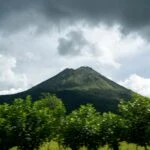
The best time to visit Costa Rica for most travellers is the drier months from December to April, when the Pacific side has the most sunshine. The green season from May to November brings afternoon rain, fewer crowds and lush scenery. The Caribbean coast follows a different pattern, so the best time depends on the region.
Last checked: November 2026
How Do Costa Rica’s Seasons Work?
Costa Rica has two main seasons rather than four. The dry season, often called summer or verano, runs roughly from December to April. The green season, called the rainy season or invierno, runs roughly from May to November. The exact start and end change from year to year, and altitude and coast make big differences. We have not quoted rainfall or temperature figures, so check forecasts from the national weather service, the Instituto Meteorológico Nacional, for current data.
How Does the Weather Differ by Region?
- North Pacific and Guanacaste: The driest and sunniest part of the country in the dry season, and noticeably greener in the wet months.
- Central Pacific and south Pacific: Wetter, with a long green season. Mornings are often clear, and rain often arrives later in the day.
- Central Valley and San José: Mild all year because of altitude, with a dry period and a wet period.
- Volcano and cloud forest areas: Cooler and mistier, with showers possible at any time of year.
- Caribbean coast: Rain can fall in any month, and the Caribbean does not match the Pacific calendar. The drier spells are often described as falling at different times, so check regional forecasts before you book.
What Is the Best Month-by-Month Plan?
- December to February: Dry weather on most of the Pacific side, bright skies and the busiest period, especially around Christmas and New Year.
- March and April: Still dry and hot in the north-west, and Holy Week brings a surge of domestic travel.
- May and June: The green season begins, with afternoon showers, quieter places and greener landscapes.
- July and August: A mid-year break for local schools adds some crowding, and weather varies by region. Some travellers find short drier spells in the middle of the green season.
- September and October: Usually the wettest part of the year on much of the Pacific side, with fewer visitors and lower demand.
- November: A transition month, with rains easing and the dry season approaching.
When Are Peak and Low Seasons?
The peak season runs from December to April, plus Holy Week and the Christmas and New Year holidays. Prices and demand are highest then, and popular hotels, tours and domestic flights can sell out. The low season generally runs from May to November, although mid-year school holidays can raise demand in July. For booking advice, see our guide to where to stay in Costa Rica.
What Festivals and Holidays Affect Travel?
- New Year and Christmas: Busy travel periods, with many Costa Ricans on holiday.
- Holy Week: Many businesses close on the main days, and beaches and buses are crowded.
- 25 July: Annexation of the Partido of Nicoya, celebrated especially in Guanacaste.
- 2 August: The pilgrimage to the Virgin of Los Ángeles in Cartago.
- 15 September: Independence Day, with parades and lantern events.
- October: Carnival celebrations take place in Limón on the Caribbean coast.
Ramadan has little effect on travel in Costa Rica because the Muslim population is small. School holidays follow the national calendar, with a long break at the end of the year and a shorter break around the middle of the year. Confirm dates on official sources, since they can shift.
Which Season Suits Which Travel Style?
- Beach holidays: The dry months, particularly in Guanacaste and the Nicoya Peninsula.
- Budget travel and quiet trails: The green season, when many hotels lower rates and places are less crowded.
- Wildlife watching: Possible all year. Turtle nesting and whale watching seasons vary by place and species, so check local guidance for the exact months.
- Surfing: Conditions change by coast and season, so research the break you plan to visit.
- Hiking and volcano visits: Mornings are usually clearer, and the dry season gives better views. Cloud and mist can hide views at any time.
What Should You Pack?
- A light rain jacket or poncho, even in the dry season
- Quick-drying clothes and a warmer layer for volcano and cloud forest areas
- Sun protection, a hat and insect repellent
- Comfortable walking shoes or sandals that can get wet
- A dry bag or waterproof cover for electronics
How Do You Plan Around the Weather?
Plan outdoor activities for the morning, since afternoon rain is common in the green season. Leave a buffer day for flights and boat trips that can be delayed by weather. Check the official tourism board at visitcostarica.com for current travel information, and see our Costa Rica itineraries and best places to visit in Costa Rica to match a season with a route.
Costa Rica Season FAQs
What is the driest time to visit Costa Rica?
The driest period is generally from December to April, especially on the Pacific side and in Guanacaste. The Caribbean coast has a different rainfall pattern, and mountain areas can be wet at any time, so check regional forecasts before you book.
Is the rainy season a bad time to visit?
Not necessarily. The green season often brings morning sunshine, afternoon rain, lush landscapes, fewer visitors and lower hotel prices. Plan activities early in the day, and keep some flexibility for road conditions and weather changes.
When is the cheapest time to travel?
Prices are usually lower in the green season than in the peak dry months, although holiday weeks can still be busy. We do not quote fares or room rates, so compare current offers and check cancellation terms.