 GuineaGuinea is a West African country on the Atlantic coast, with Conakry as its…
DESTINATION
Costa Rica
Costa Rica country guide covering where it is, its history, culture and food, with links to visa, places, seasons, itineraries, hotels, flights and transport.
📅 Last updated:
🌍 Quick Facts

Costa Rica at a glance
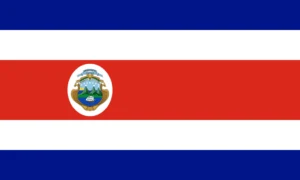
Capital: San José
Currency: Costa Rican colón (CRC)
Language: Spanish
Population: About 5 million
Time zone: UTC-6, with no daylight saving time
Calling code: +506
Internet domain: .cr
Main airport: Juan Santamaría International Airport (SJO)
Best time to visit: December to April for the driest weather, May to November for the green season
📍 Costa Rica Map
🖼️ Costa Rica: Location, History, Culture & Food
✨ Complete Travel Guide
Safety Notice: The US Department of State rates Costa Rica at Level 2, Exercise Increased Caution, because of crime (advisory issued 2 April 2026). Governments update these pages, so read the full text of the current US travel advisory and the UK FCDO travel advice before you book.
Where Is Costa Rica Located?
Costa Rica is a country in Central America, on the narrow land bridge between North and South America. It borders Nicaragua to the north and Panama to the south-east, with the Caribbean Sea to the east and the Pacific Ocean to the west. Its capital is San José.
Last checked: November 2026
The country covers roughly 51,000 square kilometres, so it is small, but its geography is varied. A chain of volcanic and mountain ranges runs from the north-west to the south-east, and it divides the Pacific side from the Caribbean side. The Central Valley, where San José sits, is a highland basin with a mild climate, and most of the population lives there.
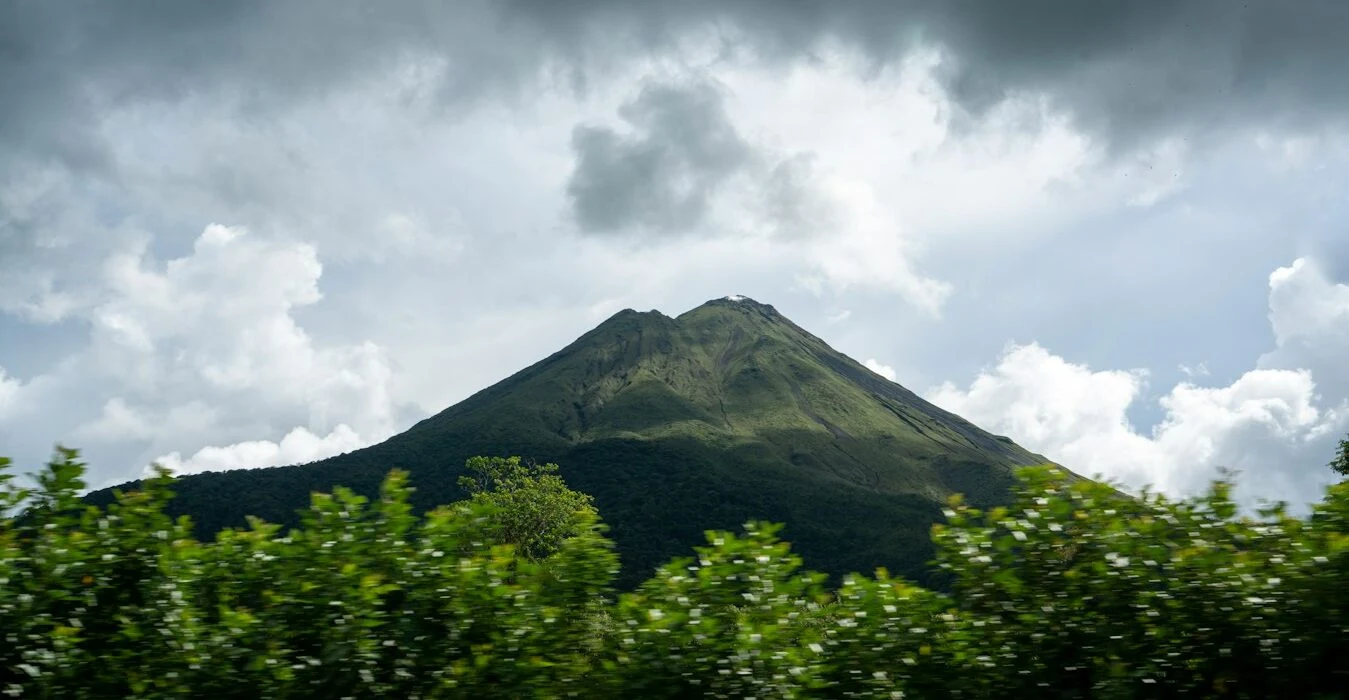
Costa Rica has two long coastlines with very different characters. The Pacific side has the Nicoya and Osa peninsulas, dry forest in the north and wetter rainforest in the south. The Caribbean side is lower, greener and crossed by rivers and canals. Cerro Chirripó, at about 3,800 metres, is the highest peak, and active volcanoes such as Arenal, Poás and Irazú are well-known landmarks. Cocos Island lies far out in the Pacific and belongs to the country.
Costa Rica uses the colón as its currency, its international dialling code is +506, and it is on UTC-6 time. Most visitors arrive by air, and our guide to flights to Costa Rica explains the two international airports. Distances look short on a map, but mountain roads are slow, so read our guide to getting around Costa Rica before you plan a route.
Introduction to Costa Rica
Costa Rica is a stable Central American democracy known for rainforests, volcanoes, beaches and wildlife. A large part of its land is protected as national parks and reserves, and nature-based tourism is central to its economy. Spanish is the official language, and visitors will often hear the phrase pura vida.
Last checked: November 2026
About five million people live in Costa Rica, and they call themselves Ticos. The country has no standing army, and it is often praised for its investment in education, health care and conservation. Its economy mixes tourism with agriculture, including coffee, bananas and pineapples, and with services and advanced manufacturing.
For a small country, Costa Rica packs in a great deal of biodiversity. Visitors can see sloths, monkeys, toucans, macaws and sea turtles, and they can walk through cloud forest in the morning and reach a beach by afternoon. Many of these places are managed as protected areas, and some have entry limits, guided-visit rules or advance ticketing.
The country has a reputation for friendliness, and English is widely understood in tourist areas. A few Spanish words are still appreciated, especially outside the main resorts. When you are ready to plan, start with our Costa Rica visa guide to check entry rules, then compare the best places to visit in Costa Rica with our guide to the best time to visit Costa Rica.
History of Costa Rica
Costa Rica’s history runs from Indigenous chiefdoms through Spanish colonial rule, independence in 1821 and a coffee-driven economy to the abolition of its army in 1948. Today it is a stable democracy with strong social institutions and a reputation for peaceful foreign policy.
Last checked: November 2026
Long before the Spanish arrived, the land was home to Indigenous peoples, including groups often grouped as the Chorotega, Huetar and Brunca. The most famous remains are the large, perfectly shaped stone spheres of the Diquís delta, which UNESCO has recognised as a World Heritage property. Guayabo National Monument, near Turrialba, preserves another important archaeological site.
Christopher Columbus reached the Caribbean coast in 1502 on his fourth voyage. Spain ruled the region as a distant and relatively poor province of the Captaincy General of Guatemala, and settlers farmed small plots rather than building large plantations. Costa Rica became independent from Spain in 1821 as part of the wider Central American independence movement, and it later left the regional federation.
Coffee transformed the economy in the nineteenth century and helped shape San José as the capital. A short civil war followed the disputed election of 1948, and the winning leader, José Figueres Ferrer, announced the abolition of the army on 1 December 1948. A new constitution confirmed the change in 1949. In 1987 President Óscar Arias Sánchez received the Nobel Peace Prize for his role in Central American peace efforts. If you want to see historic places on a trip, our Costa Rica itineraries show how to combine them with nature stops.
Culture and Traditions of Costa Rica
Costa Rican culture, often called Tico culture, blends Spanish, Indigenous, Afro-Caribbean and other influences. Family, courtesy and a relaxed outlook, summed up by the phrase pura vida, shape daily life. Traditions include painted oxcarts, Catholic festivals, marimba music and national days such as 15 September.
Last checked: November 2026
Pura vida, which literally means pure life, works as a greeting, a thank you and a way to say that things are fine. Costa Ricans tend to be polite and indirect, and a handshake or a light kiss on the cheek is a normal greeting. Schedules can be flexible in social settings, so a little patience goes a long way.
The painted oxcart is the best-known national craft, and UNESCO has recognised the oxcart tradition as intangible cultural heritage. Its colourful geometric patterns are most closely linked with the town of Sarchí. In the north-west, the Guanacaste region keeps its own folk music, dress and dance, and it celebrates the Annexation of the Partido of Nicoya on 25 July. Marimba music is common at festivals and in restaurants.
Most Costa Ricans are Roman Catholic, and Holy Week is a major holiday period. On 2 August, many pilgrims walk to the basilica in Cartago to honour the Virgin of Los Ángeles, the country’s patron saint. Independence Day on 15 September is marked with school parades, lanterns and flag-themed celebrations. On the Caribbean coast, Afro-Caribbean communities add music, food and an annual carnival in Limón, while Indigenous groups such as the Bribri, Cabécar and Boruca maintain their own languages and crafts. If you plan to stay in a small lodge or a local guesthouse, our guide to where to stay in Costa Rica explains the main types of accommodation.
Food and Cuisine of Costa Rica
Costa Rican food is simple, fresh and built around rice, beans, plantains, corn and tropical fruit. Everyday dishes include gallo pinto for breakfast and a casado for lunch. Coastal regions add seafood, and the Caribbean coast brings coconut flavours. Meals are mild rather than spicy, and sauces are usually served on the side.
Last checked: November 2026
A small local restaurant is called a soda, and it is often the best place to try home cooking at a fair price. Menus usually list a plate of the day, and fresh fruit juices, called frescos, are common. Costa Rican coffee is an important part of the food culture, and the Central Valley and the Tarrazú region are known for it.
These are signature dishes to look for:
- Gallo pinto: Rice and black beans fried with onion, sweet pepper and coriander, eaten at breakfast with eggs and fried plantain
- Casado: A lunch plate of rice and beans with salad, plantain, a protein such as chicken, fish or beef, and sometimes picadillo
- Olla de carne: A hearty beef soup with cassava, corn, plantain and other vegetables
- Sopa negra: A black bean soup, often served with a poached egg
- Chifrijo: A bar snack of rice, beans, fried pork and pico de gallo, served with tortilla chips
- Ceviche: Raw fish cured in lime juice with onion, coriander and pepper, common on both coasts
- Arroz con pollo: Chicken cooked with rice and vegetables, popular at family celebrations
- Tamales: Corn dough parcels wrapped in banana leaf, especially associated with Christmas
- Rondón: A Caribbean coastal stew of fish or meat cooked in coconut milk with root vegetables
- Tres leches cake: A sponge cake soaked in three kinds of milk, a favourite dessert
Tropical fruit is excellent, including pineapple, papaya, mango and the small, sweet bananas known as manzano. Visitors who want to eat well should look beyond the resorts, because the best-value meals are often in sodas, markets and roadside stands. When you build your route, use our guide to the best places in Costa Rica to match each region with its food.
Explore Costa Rica Travel Guides
Explore our detailed guides to plan every part of your Costa Rica trip.
Costa Rica: Best Places
The best places to visit in Costa Rica, from volcanoes and cloud forest to Pacific and Caribbean coasts, with time needed and...
View Guide ›Costa Rica: Best Time to Visit
When to visit Costa Rica: dry and green seasons, differences between the Pacific and Caribbean coasts, month-by-month planning, holidays and packing advice.
View Guide ›Costa Rica: Itineraries
Realistic Costa Rica itineraries for 3, 5, 7 and 10 days, with routes, overnight stops, main activities and practical planning advice.
View Guide ›Costa Rica: Visa
Who needs a visa for Costa Rica, how the passport groups work, what to carry at the border and where to check...
View Guide ›Costa Rica: Flights
Flights to Costa Rica: the two international airports, how to choose between them, arrival steps, time zone, a Before You Fly checklist...
View Guide ›Costa Rica: Getting Around
How to travel inside Costa Rica by shuttle, bus, domestic flight, rental car and taxi, with driving rules, tips on choosing and...
View Guide ›Costa Rica: Hotels
Where to stay in Costa Rica by region, from San José and La Fortuna to Manuel Antonio, Guanacaste and the Caribbean, with...
View Guide ›Explore Costa Rica Tours
Discover guided tours and adventures in Costa Rica. Compare itineraries, prices and traveller reviews on TourRadar before you book.
Guided tours & deals
Affiliate partner · Globe Navo may earn a commission from qualifying bookings at no extra cost to you.
❓ Costa Rica FAQ
Is Costa Rica safe for tourists?
Costa Rica is a popular destination, but the US State Department rates it Level 2, Exercise Increased Caution, because of crime. Petty theft is the main concern for most visitors. Keep valuables out of sight, use official transport and read current government advice before you travel.
Do I need a visa for Costa Rica?
It depends on your nationality. Citizens of many countries can enter without a visa, while others need a consular visa. The permitted stay and passport validity vary by group, so confirm your requirements on the official immigration website. Our visa guide explains how the groups work.
What is the best time to visit Costa Rica?
The drier months from December to April are the most popular, especially on the Pacific side. The green season from May to November brings afternoon rain, fewer visitors and lush scenery. The Caribbean coast follows a different pattern, so check regional forecasts before booking.
What language and currency are used in Costa Rica?
Spanish is the official language, and English is widely understood in tourist areas. The currency is the Costa Rican colón, although US dollars are often accepted at tourist businesses. Carry some colones for buses, markets and small restaurants.
What food should I try in Costa Rica?
Start with gallo pinto for breakfast and a casado for lunch. Try ceviche on the coast, olla de carne or sopa negra in the highlands, and rondón on the Caribbean side. Small local restaurants called sodas are good places to eat.
Plan Your Trip to Costa Rica
Your Next Adventure in Costa Rica Awaits!
Explore Deals →🎁 Best deals for Costa Rica
Offers from trusted travel stores for your Costa Rica trip. Compare a few options before you book, and check each store's terms for the final price.
Browse by type: Hotel deals · Flight deals · Travel eSIM · Car rental
 SimOptionsFind the latest SimOption promo code and coupon code for travel eSIM data plans. See how to apply an offer at checkout, fix common code errors and stay connected abroad.
Get Coupon View Deal
 TourRadarTourRadar is an online marketplace for multi-day guided tours, small-group trips and tailor-made journeys offered by independent tour operators around the world.
Get Coupon View Deal
More destinations to explore
GuineaGuinea is a West African country on the Atlantic coast, with Conakry as its…
 CameroonCameroon at a glance: where it is, what it is known for, its history,…

 IndiaIndia travel guide covering where India is, what it is known for, its history,…