The best places to visit in Costa Rica include Arenal and La Fortuna, Monteverde, Manuel Antonio, Tortuguero, the Guanacaste coast and the Osa Peninsula. Choose by what you want to see, such as volcanoes, wildlife or beaches, and limit the number of bases, because mountain roads are slow.
Last checked: November 2026
How Should You Choose Places in Costa Rica?
Costa Rica is small, but travel between regions takes longer than the map suggests. Pick two to four bases and explore each one properly. The recommendations below are editorial suggestions, not official rankings, and the time estimates are planning guides rather than fixed rules.
Volcanoes, Cloud Forest and Mountains
- Arenal Volcano and La Fortuna: Known for the volcano views, waterfall walks, hot springs and rafting. Plan two nights. Suits active travellers and families.
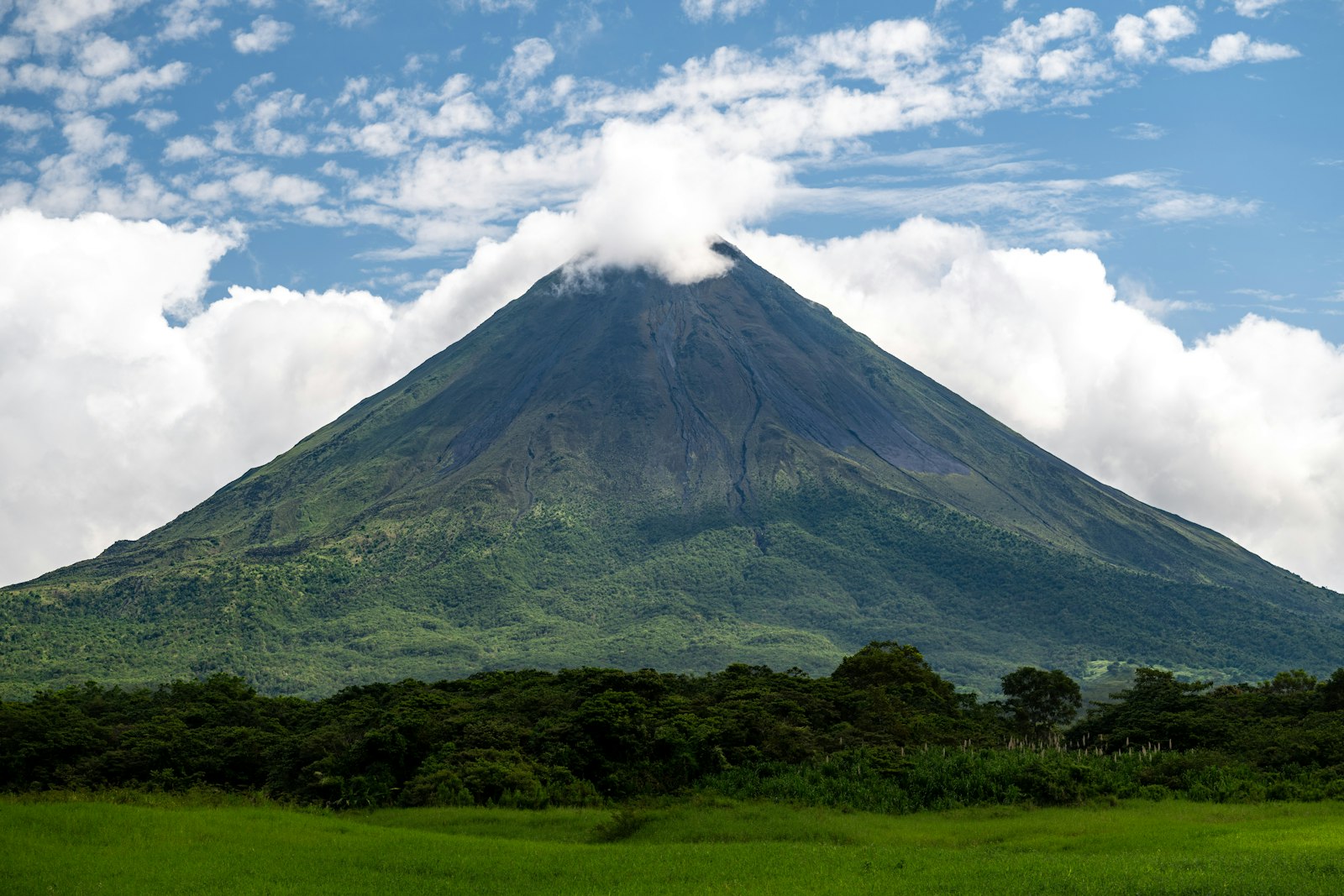
- Monteverde and Santa Elena: Cloud forest reserves with hanging bridges, birdwatching and night walks. Plan two nights. Suits nature lovers and photographers.
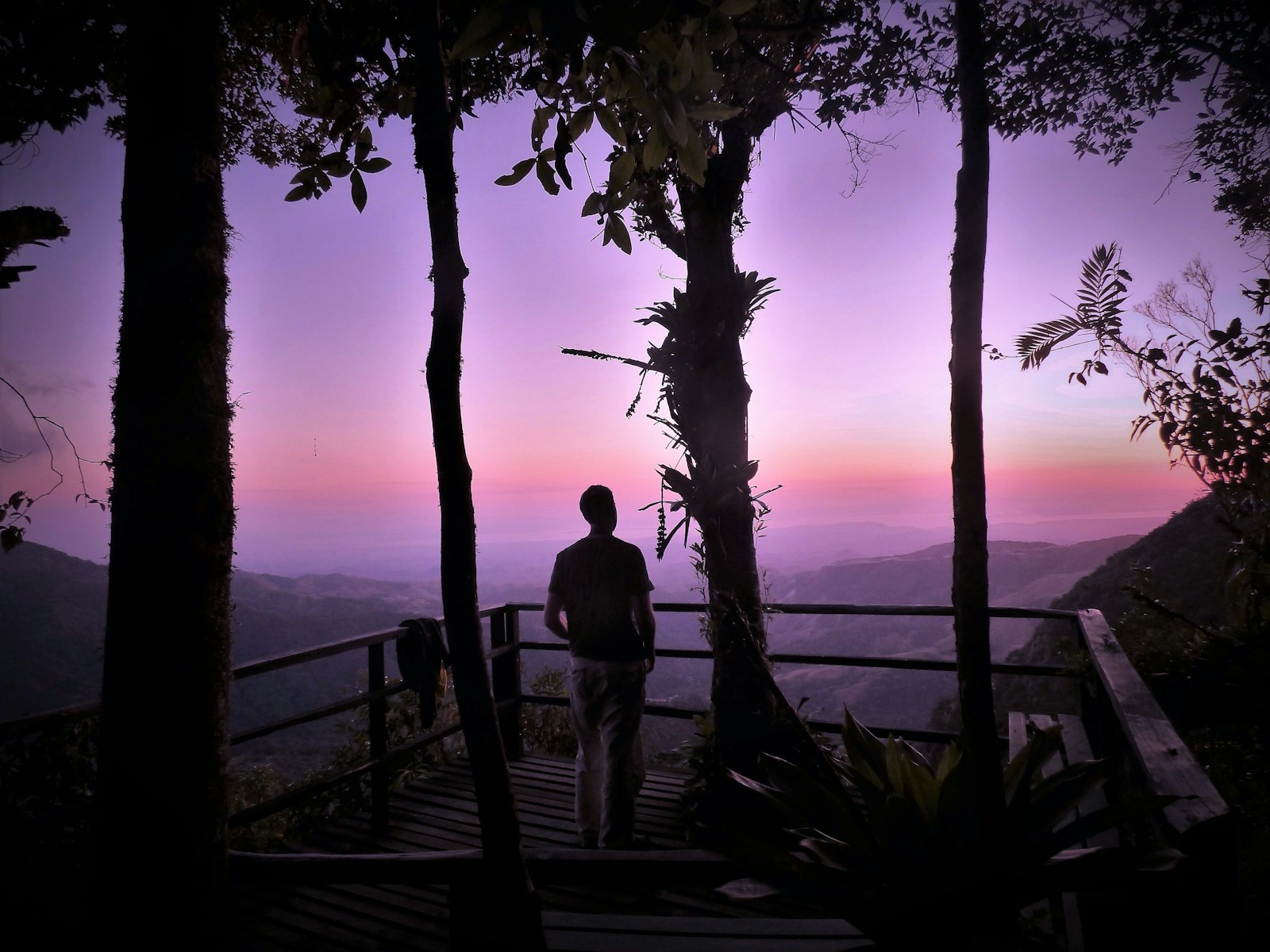
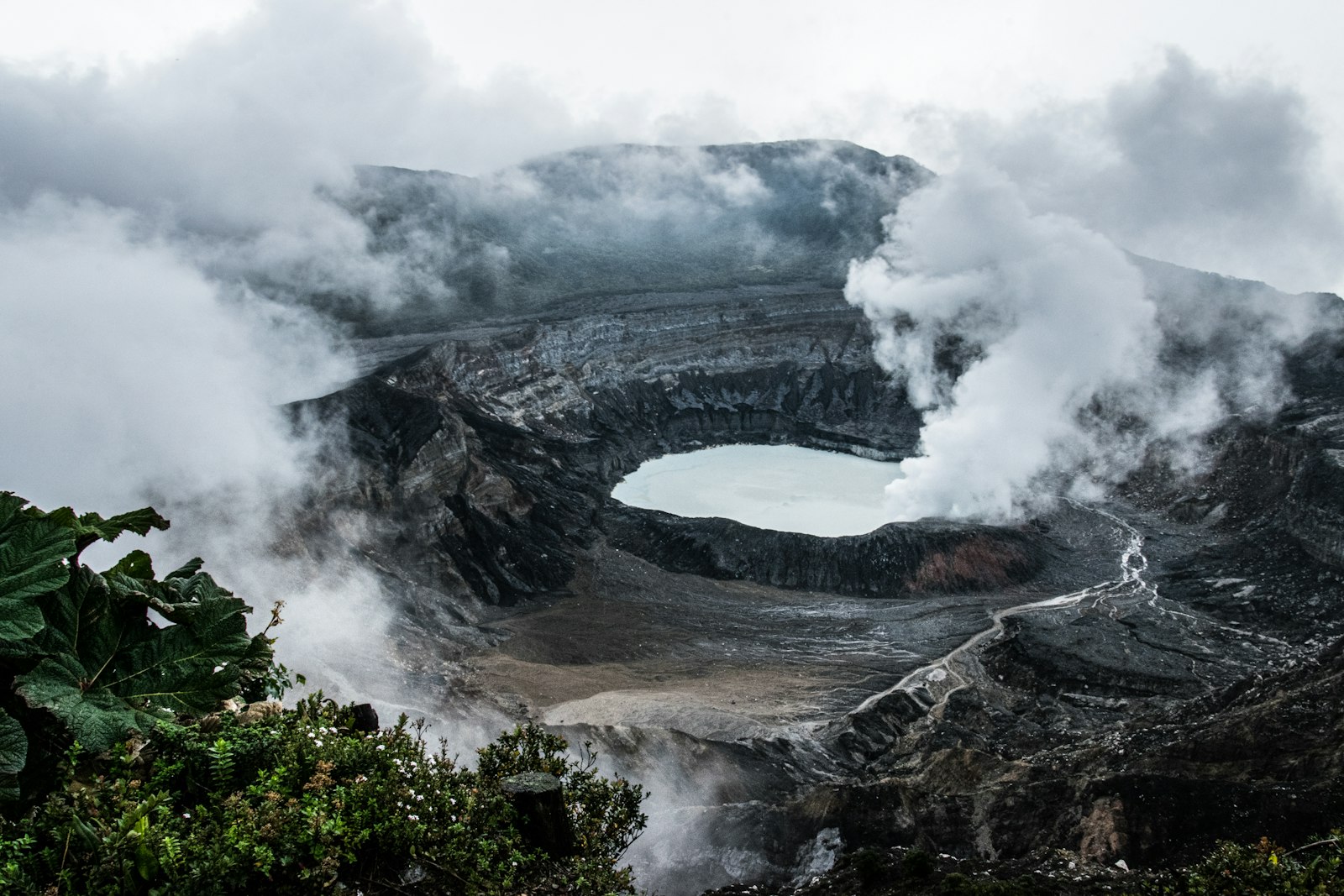
- Poás and Irazú volcanoes: Day trips from the Central Valley to crater viewpoints. Access to crater areas can change because of volcanic activity, and some visits need advance tickets, so check the official park information first.
- Cerro Chirripó: The country’s highest peak, reached on a multi-day hike in the south. Suits fit, experienced hikers who can plan ahead, because access is regulated.
Beaches and Coastal Destinations
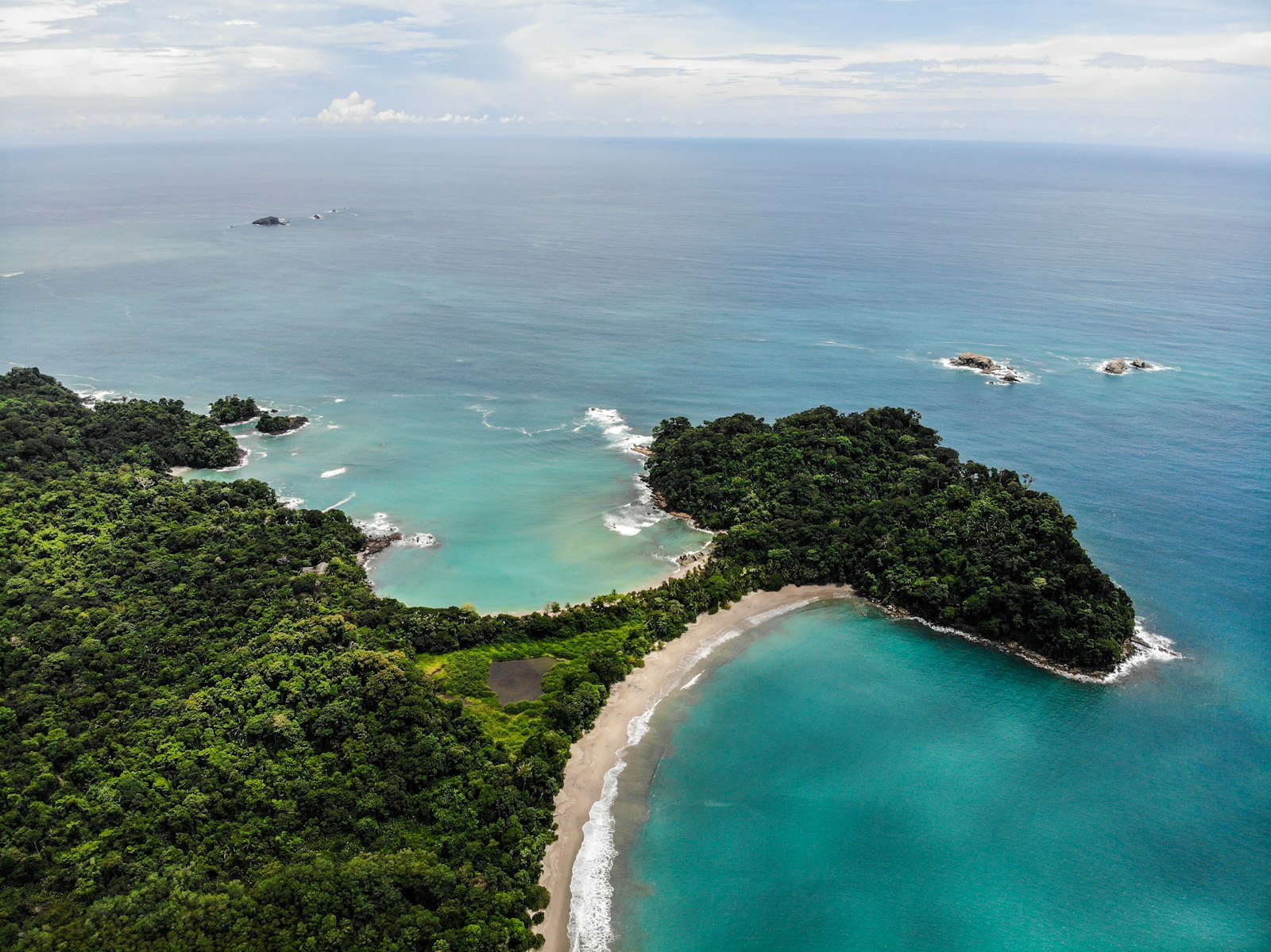
- Manuel Antonio: A national park and beach area on the central Pacific coast, with wildlife and short trails. Plan two nights. Suits families and first-time visitors.
- Guanacaste coast: The dry north-west has long beaches and resort areas, with towns such as Tamarindo popular for surf and sunsets. Plan three nights or more. Suits beach holidays.
- Nicoya Peninsula: Quieter beach towns such as Santa Teresa and Nosara attract surfers and yoga travellers. Plan three nights. Suits travellers who prefer a relaxed pace.
- Caribbean south, Cahuita and Puerto Viejo: Afro-Caribbean culture, coral coastline and a laid-back atmosphere. Plan two to three nights. Suits travellers who want culture and beaches together.
National Parks and Wildlife
- Tortuguero National Park: A network of canals on the Caribbean coast, known for boat trips and sea turtle nesting. Plan two nights. Suits wildlife enthusiasts, and access is by boat or small plane, so plan transfers early.
- Corcovado National Park, Osa Peninsula: A remote rainforest area with high biodiversity. Plan three or more nights. Suits adventurous travellers, and park rules and entry arrangements should be checked with the official authority before you go.
- Rincón de la Vieja National Park: Volcanic landscape, forest trails and hot springs in the north-west. Plan one or two nights. Suits hikers.
- Cocos Island: A UNESCO-listed island far out in the Pacific, usually visited on dive trips. Suits experienced divers, and it is not part of a standard trip.
Which Cities and Cultural Places Are Worth Visiting?
- San José: The capital has museums, markets and the National Theatre. Plan one day. The pre-Columbian gold collection and the historic centre suit travellers interested in culture.
- Cartago and the Central Valley: Home to the basilica of the Virgin of Los Ángeles and to coffee farms near the volcano roads. Plan half a day to a full day.
- Sarchí: A craft town known for painted oxcarts. Plan a short stop on a Central Valley day trip.
- Diquís stone spheres, Palmar Sur: A UNESCO World Heritage property in the south that shows how advanced Indigenous societies were. Suits history lovers, and it is far from the usual northern routes.
- Guayabo National Monument: An archaeological site near Turrialba with stone paths and foundations from an Indigenous settlement. Plan half a day.
Where Are the Best Places for Food?
Costa Rican food is best enjoyed at small local restaurants called sodas and at farmers’ markets. San José’s central market and Central Valley farmers’ markets show everyday dishes, while Caribbean towns serve coconut-based dishes such as rondón. Coffee farm tours in the Central Valley and Tarrazú region combine tasting with scenery. For dishes to try, read the food section of our Costa Rica travel guide.
Which Places Suit Which Travellers?
- First-time visitors: La Fortuna, Monteverde and Manuel Antonio give a mix of volcano, forest and beach.
- Families: Manuel Antonio, La Fortuna and Guanacaste resort areas have easy activities and a range of hotels.
- Wildlife travellers: Tortuguero, Corcovado and Monteverde reward patience and a good local guide.
- Surfers: Nicoya Peninsula and parts of Guanacaste are well known for surf, with conditions that change by season.
- Culture seekers: San José, Cartago, Sarchí and the Caribbean south offer the most history and tradition.
What Should You Check Before You Go?
Park opening days, ticket rules and trail access can change, especially around volcanoes, rainy weather and holiday periods. Check the official tourism board at visitcostarica.com, the national protected-areas authority at SINAC and the UNESCO page for Costa Rica’s World Heritage sites. Use our best time to visit Costa Rica guide to match places to the season.
Costa Rica Places FAQs
How many days do you need in Costa Rica?
A first trip usually works well with seven to ten days and three or four bases. A shorter stay of four or five days can cover the capital and one region. See our Costa Rica itineraries for sample routes.
Which is better, the Pacific or the Caribbean coast?
Neither is better for everyone. The Pacific side has more resort areas and long dry periods in the north, while the Caribbean side offers Afro-Caribbean culture, canals and a different weather pattern. Choose by the experience and the season you plan to travel.
Is Tortuguero worth the trip?
It suits travellers who want wildlife and quiet waterways rather than beaches. The park is reached by boat or small plane, so allow extra planning time. Many visitors stay at least one night to see the canals and, in season, nesting turtles.