Last checked: October 2026
Cameroon has some of the most varied scenery in Africa, but the best places to visit are not the same as the most famous ones. Several well-known destinations, including Mount Cameroon, Waza National Park and the Mandara Mountains, sit in regions where the UK and Canadian governments advise against travel. This guide starts with the areas that are generally discussed as lower-risk starting points, then explains the status of the famous places so you can make an informed decision. Read it together with the main Cameroon guide and the official advice at the end of this page.
How to Read This Guide
We sort places into two groups. The first group covers cities and coastal areas that are not named in the FCDO and Canadian lists of areas to avoid completely, although the FCDO still warns about crime, road safety and checkpoints across the country. The second group covers famous places that are inside or close to advisory areas. We describe them for context only and do not recommend travelling there. Conditions can change quickly, so confirm the status of every place on the official pages shortly before you go.
Lower-Risk Starting Points
Yaounde
Yaounde, the capital, sits among green hills in the south-centre of the country. It is the base for government institutions, embassies, markets and museums, and it has green spaces such as Ecopark. The FCDO lists armed robbery and muggings as a risk in Yaounde, so use pre-arranged taxis rather than hailing one from the roadside, avoid walking at night and keep valuables out of sight.
Douala
Douala is the largest commercial city and main port, and most international visitors arrive here. The Wouri river and its waterfront give a sense of everyday working life in Cameroon. The same crime warnings apply as in Yaounde, so plan transfers from the airport in advance and avoid travelling after dark.
Kribi and the Atlantic Coast
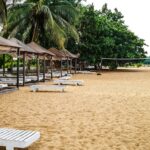
Kribi is known for its Atlantic beaches, fishing boats and nearby waterfalls, and it is often presented as the relaxing end of a Cameroon trip. The coast is humid all year, and rain is heavier from about June to September according to the sources we checked. Swimming conditions and local rules vary, so ask your accommodation about currents and safe beaches.
The Western Highlands: Bafoussam and Foumban
The West region is associated with traditional chiefdoms and craft markets, and Foumban is known for its royal heritage. The FCDO warns of carjacking and kidnapping on roads near borders, including the route between Bafoussam and Douala, so road travel here needs extra care. The best months for the western highlands are reported as November to March.
Southern Rainforest and Protected Areas
The Dja Faunal Reserve is listed by UNESCO as a World Heritage site, and Lobeke National Park is another rainforest area mentioned by travel sources, with December to February named as a good period. Both are remote. The FCDO notes kidnapping for ransom risks in the East region, so only consider these areas with a licensed operator that can explain the current security situation. We could not verify access conditions for either park.
Famous Places Under Government Advice
- Mount Cameroon and Buea: the volcano is a famous climb, with December to February reported as the best season. Buea is in the South-West region, where the FCDO advises against all travel.
- Limbe: a coastal town known for black-sand beaches. The FCDO advises against all but essential travel to Limbe, and Canada advises avoiding all travel to the South-West region.
- Waza National Park: a savannah park best visited from January to April according to travel sources, but it lies in the Far North region, which both the FCDO and Canada say to avoid.
- Maroua, Rhumsiki and the Mandara Mountains: known for landscapes and culture, but within the Far North advisory area, with the FCDO citing terrorism and kidnapping risks.
- Lake Nyos: a crater lake in the North-West region. The FCDO mentions a carbon dioxide risk and advises against all travel to the region.
Festivals and Culture
Cameroon’s culture is a major reason people want to visit. The Ngondo festival in Douala is held in late November or early December, and the Nguon festival in Foumban takes place about every two years, usually in December. National Day on 20 May and the Race of Hope on Mount Cameroon in February are also well known, although the race is in an advisory area. Dates move, so check local sources.
Choosing a Safer Way to Travel
Use reputable local operators and licensed guides, share your plans with your embassy or family, avoid driving at night and carry copies of your documents. The FCDO says roadblocks may involve requests for bribes, and it advises not to pay and to ask for a ticket. Mobile coverage is limited outside major towns, so download maps and keep emergency numbers offline. Use the itinerary guide to see how these places fit into a route, and the hotels guide for where to stay.
Frequently Asked Questions
What is the best place to start in Cameroon?
Most first trips start in Douala or Yaounde, because both have international airports and are not within the areas the FCDO says to avoid completely. Take the usual city precautions.
Is Mount Cameroon safe to climb?
Mount Cameroon is near Buea in the South-West region, where the FCDO advises against all travel and Canada advises avoiding all travel. We do not recommend planning a climb there while those warnings remain.
Can I visit Waza National Park?
Waza is in the Far North region, which the UK and Canada say to avoid. Travel sources mention January to April as its best season, but the security advice comes first.
Where can I find beaches in Cameroon?
Kribi on the Atlantic coast is the best-known beach area outside the advisory regions. Limbe is also famous but is covered by an all-but-essential-travel warning from the FCDO.
Do I need a guide?
The sources we checked do not say a guide is mandatory, but a reputable local operator can explain current conditions, arrange transport and reduce risks on the road.
Related Guides
- Cameroon travel guide
- Cameroon visa guide
- Best time to visit Cameroon
- Cameroon itineraries
- Where to stay in Cameroon
- Flights to Cameroon
Official Safety Advice
Always read the latest government advice before booking. The UK FCDO advises against all travel to the Bakassi Peninsula, the North-West and South-West regions, most of the Far North and areas within 40 km of the borders with the Central African Republic, Chad and Nigeria, and against all but essential travel to Limbe, the North region and some areas around Maroua. The Government of Canada advises avoiding all travel to the Far North, the North-West and South-West regions and areas within 30 km of the Nigeria, Chad and Central African Republic borders, and avoiding non-essential travel to the North and Adamaoua regions. We could not read the US State Department page directly, so check it yourself. Official pages: UK FCDO, Government of Canada and US Department of State. Travel insurance may be invalid if you travel against official advice.