Last checked: November 2026
The best way to get around Austria is by train between cities, plus trams, buses and metro within them. Trains from ÖBB link Vienna, Salzburg, Innsbruck, Graz and Linz several times a day. Choose a car only for mountain valleys, small villages and ski areas where public transport runs less often.
Austria is compact, so most trips between big cities take between one and four and a half hours by train. This guide covers travel inside the country only. For airport arrivals and airport-to-city transfers, see the flights to Austria guide.
How long does it take to travel between Austrian cities?
| Route | By train | Other option | Planning note |
|---|---|---|---|
| Vienna to Linz | About 1 hour 15 minutes | Coach | Frequent Railjet service |
| Vienna to Salzburg | About 2 hours 25 minutes | Westbahn trains | ÖBB and Westbahn use different Vienna stations |
| Vienna to Graz | About 2 hours 30 minutes | Slower regional trains on the Semmering line | The regional route is scenic but takes longer |
| Graz to Klagenfurt | About 45 minutes | Regional bus | Koralm Railway opened in December 2025 |
| Salzburg to Innsbruck | Under 2 hours | Car or coach | Add about 15 minutes until 12 December 2026 |
| Vienna to Innsbruck | About 4 hours 15 minutes | Austrian Airlines flight, about 1 hour | A flight needs airport transfers at both ends |
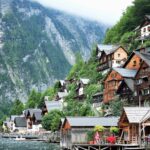
| Salzburg to Hallstatt | About 2 to 2.5 hours | Bus or car | The train ends across the lake, so a short ferry completes the trip |
These are typical fastest times. Real journeys vary by service, day and season, so check the journey planner before you travel.
Trains in Austria
ÖBB runs the national network. Railjet express trains cover the long routes, Intercity trains fill the gaps, and regional trains and S-Bahn lines serve smaller towns. The main hub in Vienna is Wien Hauptbahnhof. Westbahn is a private operator that competes with ÖBB on the Vienna to Salzburg line, and its trains leave from Wien Westbahnhof, so check the station on your ticket.
Book on the ÖBB website or app. Advance saver tickets are cheaper than flexible tickets but come with restrictions. Seat reservations are optional on most Railjet trains and useful on busy weekends and holidays.
German rail works affect some routes until 12 December 2026. According to ÖBB, they add about 15 minutes between Salzburg and Innsbruck and about 30 minutes towards Vorarlberg. ÖBB also changes its timetable each December, so recheck times for winter trips.
Buses and regional services
ÖBB Postbus and regional bus companies serve valleys and villages without a train station. Long-distance coaches such as FlixBus link the larger cities. Services thin out on Sundays, public holidays and school holidays, especially outside the cities. Check the last bus the day before you travel, particularly for trailheads and lake villages.
Ferries and boats
A short ferry carries visitors across Lake Hallstatt between the station and the village. Seasonal boats run on the Danube in the Wachau and on lakes such as Wörthersee and Lake Constance. Timetables depend on the season and weather, so check each operator before you plan a day around a boat.
Domestic flights
Domestic flights are limited. Austrian Airlines flies between Vienna and Innsbruck, and trade reports say the airline cut other domestic routes in its winter 2026 to 2027 schedule. A flight saves time over the Innsbruck train only if your airport transfers are short, so compare the full journey from city centre to city centre.
Driving in Austria
- Side and licence: drive on the right. Licences from EU and EEA countries are valid. According to the Austrian National Tourist Office, other licences are valid for 12 months from arrival, and a licence not written in German needs an international driving permit or a translation.
- Vignette: all motorways and expressways need a vignette. From 1 December 2026, vignettes are sold in digital form only. One-day and ten-day vignettes bought online work immediately, while online two-month and annual vignettes become valid only after an 18-day waiting period. Buy from the official ASFINAG shop.
- Extra tolls: a few Alpine routes, such as the Brenner motorway, charge a separate toll on top of the vignette.
- Speed limits: 50 km/h in towns, 100 km/h on open roads and 130 km/h on motorways, unless signs say otherwise.
- Winter: winter tyres are required from 1 November to 15 April in wintry conditions.
- Emergencies: call 112, or 140 for mountain rescue. The ÖAMTC breakdown line is 120 and the ARBÖ line is 123.
Parking in old towns is limited and often paid, so use park-and-ride lots or hotel parking. Ask the rental company whether the car already carries a valid vignette.
Taxis and ride-hailing
Use taxis from official ranks, or book by phone or app. Licensed taxis show a roof sign and use a meter. Ride-hailing apps such as Uber and Bolt work in Vienna and some other cities, and coverage varies, so check the app. Avoid drivers who approach you at stations or arrival halls.
City public transport and travel cards
Wiener Linien runs Vienna’s U-Bahn lines, trams and buses, and one ticket covers all of them inside the city. Single tickets and 24, 48 and 72-hour tickets are sold at stations, tobacconists and in the WienMobil app. Validate paper tickets before you ride, and check current fares on the Wiener Linien website. Salzburg runs trolleybuses, while Innsbruck, Graz and Linz have trams and buses. Old town centres are small enough to walk.
Which option should you choose?
- Fastest between cities: choose the train for most routes, and a flight only for Vienna to Innsbruck when airport transfers are short.
- Cheapest: choose an advance saver train ticket or a coach, and compare the total price on the day you travel.
- Most scenic: choose the Semmering railway on the way to Graz, the Wachau river boats in season, or the ferry across Lake Hallstatt.
- Most flexible: choose a car if you plan Alpine valleys, ski areas or several villages in one day.
- Simplest for a city break: choose public transport and walking, and skip the car.
To see how these options fit into a trip, follow the plans in our Austria itineraries, and pick a base from the where to stay in Austria guide.
Common mistakes
- Going to the wrong Vienna station for a Westbahn train.
- Buying a two-month or annual vignette online the day before a trip.
- Ignoring timetable changes and rail works on the Salzburg to Innsbruck route.
- Relying on rural buses on Sundays or holidays.
- Accepting rides from unofficial taxis.
- Forgetting to validate a paper ticket in Vienna.
Checklist for moving around Austria
- Install the ÖBB app and save the key tickets offline.
- Check the timetable for rail works and winter changes.
- Carry a licence and, if needed, an international driving permit.
- Confirm that the car has a valid digital vignette.
- Pack for winter tyre rules from November to April.
- Check the last bus or ferry before a day trip.
FAQs
Do I need a car in Austria?
Not for the main cities, because trains and local transport connect them well. A car helps in mountain valleys, ski areas and villages with limited buses. Plan parking and the vignette before you book a rental.
How do I buy train tickets in Austria?
Buy through the ÖBB website or app, at a station or from a ticket machine. Westbahn tickets are sold separately on its own site. Book early if you want a saver fare, and keep the ticket until you leave the station.
Is a vignette the same as a toll?
Not exactly. A vignette is a pass for motorways and expressways, while some Alpine roads and tunnels charge an extra toll. Buy the vignette only from official sellers, because look-alike websites can charge more.