Last checked: November 2026
The best time to visit Argentina depends on the region. Choose March to May or September to November for Buenos Aires and wine country, December to February for Patagonian hiking, June to early December for whales, and June to August for snow sports. Argentina’s seasons are reversed from the northern hemisphere, so summer starts in December.
Best Months by Trip Type
| Trip type | Best months | Why |
|---|---|---|
| City and culture | March to May, September to November | Comfortable temperatures in Buenos Aires |
| Patagonia hiking | December to March | Summer is warmest, though often windy. April is the last month for trekking. |
| Whale watching | June to early December | Peak is September and October, per the tourism board |
| Snow sports | June to August | Patagonian skiing peaks in July |
| Wine country | March to May | Harvest in March, then warm days and cool nights |
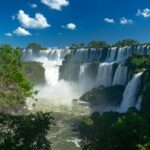
| Iguazú Falls | April, May and August | Less humid. The falls are fullest from December to February. |
Once you know your season, the best places to visit in Argentina show which regions suit it.
Buenos Aires Weather by Month
These typical averages come from Responsible Travel’s Buenos Aires chart.
| Month | Typical low to high (°C) | Rain (mm) |
|---|---|---|
| January | 20 to 29 | 107 |
| March | 17 to 26 | 121 |
| April | 14 to 22 | 96 |
| May | 11 to 19 | 76 |
| June | 8 to 15 | 62 |
| July | 7 to 15 | 62 |
| August | 8 to 17 | 67 |
| September | 10 to 19 | 69 |
Argentina Month by Month
- January: Hot and busy in Buenos Aires, as locals head to the coast. Patagonia is among its warmest and driest. Iguazú is in its wetter season.
- February: Summer continues. Carnival is a holiday period, and the dates move each year. Mendoza’s grape harvest begins to build.
- March: Patagonia is quieter than in January. Mendoza has harvest events and a wine festival. The Lake District starts to show autumn colour.
- April: The last month for Patagonian trekking before the cold. Iguazú is a good choice. If Easter falls in April, domestic travel is busy, so book early.
- May: Warm days and cool nights in Mendoza. Humidity eases at Iguazú. Most Patagonian trekking is over, and some Bariloche facilities close before the ski season.
- June: Buenos Aires is dry and cool. Snow sports begin and the whale season starts at Península Valdés.
- July: Ski season peaks. Midwinter school holidays make popular places busy and costly, so book ahead.
- August: Buenos Aires hosts a tango festival, and hotel demand is lower. Iguazú is drier, so the falls are less powerful but less crowded.
- September: Spring weather and strong whale watching. Cruises to Cape Horn start from Ushuaia.
- October: A shoulder month. Wildflowers appear and many Patagonian areas reopen, though some still have snow.
- November: Buenos Aires jacaranda trees bloom purple in early November. Salta is still comfortable before the heat arrives.
- December: Summer starts. Patagonia is in high season, with limited space in mountain refuges, so book early. Iguazú is wet.
Weather by Region
- North (Iguazú): Subtropical, with hot, humid summers. High water can close some trails and the San Martín island access.
- Northwest (Salta): Hot in summer. Go before heat sets in or in the cooler months.
- Central (Mendoza): Warm days and cool nights in autumn.
- Buenos Aires: Four seasons, with hot, humid summers and cool winters.
- Patagonia: Summer is mild but windy. Winter is cold, with snow.
Festivals, Holidays and Ramadan
Argentina’s public holidays matter more to your plans than Ramadan, which doesn’t change how services run in Argentina. Expect crowds in the January summer break and during the July winter holidays. For the rest of 2026, the official calendar lists a long weekend from 21 to 23 November (Monday 23 November replaces the 20 November Day of National Sovereignty), another from 5 to 8 December (Monday 7 December is a non-working day for tourism and 8 December is a national holiday), and Christmas on Friday 25 December. Check the Argentine tourism board or the government calendar before you book, because bridge days are set by decree. Pope Leo XIV is scheduled to visit Argentina from 8 to 11 November 2026, with events planned in Buenos Aires, Córdoba and Luján, so expect busy hotels and extra security in those places. The Vatican and the Argentine government publish the programme, and it can change. If you need halal food, plan meals in advance, since labelling isn’t common outside large cities.
What to Pack
- Layers for Buenos Aires in spring and autumn, when mornings and afternoons differ.
- A wind-proof jacket for Patagonia, even in summer.
- A rain jacket for Iguazú and Buenos Aires.
- Sun protection and a hat for high-altitude areas.
- Warm clothing for Patagonian or Andean evenings.
Common Mistakes
- Planning Patagonian treks in winter.
- Expecting Buenos Aires to be hot all year.
- Visiting Iguazú in peak summer and not expecting heat and rain.
- Not booking early for Easter, July or the Christmas and January period.
- Planning long overland legs in a short trip. The guide to getting around Argentina lists realistic travel times.
Best Time to Visit Argentina FAQs
What is the weather like in Argentina in December?
December is early summer. Patagonia is mild and in high season, Buenos Aires is warm, and Iguazú is humid and wet. Pack for both sun and rain.
Is Argentina too cold to visit in July?
Not necessarily. Buenos Aires is cool, with typical highs near 15°C. July is the peak ski month in Patagonia, but many trekking areas are closed. Prices rise during school holidays.
Is it better to visit in the shoulder season?
Often yes. October, November, March and April give milder weather and smaller crowds in many regions, though Patagonia has fewer services in the colder months.
When do the jacaranda trees bloom in Buenos Aires?
Early November is when the trees add purple blossoms to the city’s streets. Timing varies with the weather each year.
Related Guides
- Argentina travel guide: location, history, culture and food
- Argentina visa guide for tourists
- Best places to visit in Argentina by trip type
- Argentina itineraries for 3, 5, 7 and 10 days
- Where to stay in Argentina by region
- Flights to Argentina: airports and planning
- Getting around Argentina: trains, buses and taxis
Sources: the Argentine tourism board whale season note and the national parks service Los Glaciares page.