
Best Places to Visit in Myanmar
The best places to visit in Myanmar are Bagan’s temple plain, the golden Shwedagon Pagoda in Yangon, Mandalay and its royal-era monuments, Inle Lake, Mount Popa and the ancient Pyu cities. Most are cultural or spiritual sites, and several are best combined by region.
Last checked: November 2026
Myanmar’s sights are spread across a large country, and not all areas are open to foreign visitors on a tourist visa. Conditions, opening hours and which monuments can be entered change, so use the times below as planning suggestions of our own, not official figures, and confirm details locally before you go.
Which Place Suits You?
| Place | Best for | Suggested time |
|---|---|---|
| Bagan | Temples, sunrise and cycling | 2 to 3 days |
| Shwedagon Pagoda | Living Buddhist culture | Half a day |
| Mandalay | Monasteries, crafts, royal history | 1 to 2 days |
| Inle Lake | Boat trips and village life | 2 days |
| Mount Popa | Spirit worship and views | Half a day |
| Pyu Ancient Cities | Archaeology enthusiasts | Half a day to a day |
Historic Sites
Bagan
Bagan is a plain of brick temples and stupas along the Irrawaddy, built mainly between the eleventh and thirteenth centuries and listed by UNESCO in 2019. The UNESCO World Heritage listing for Bagan counts more than three thousand monuments across the protected area. Visitors usually cycle or take an e-bike between temples, climb permitted terraces at dawn or sunset, and visit the lacquerware workshops in nearby villages.
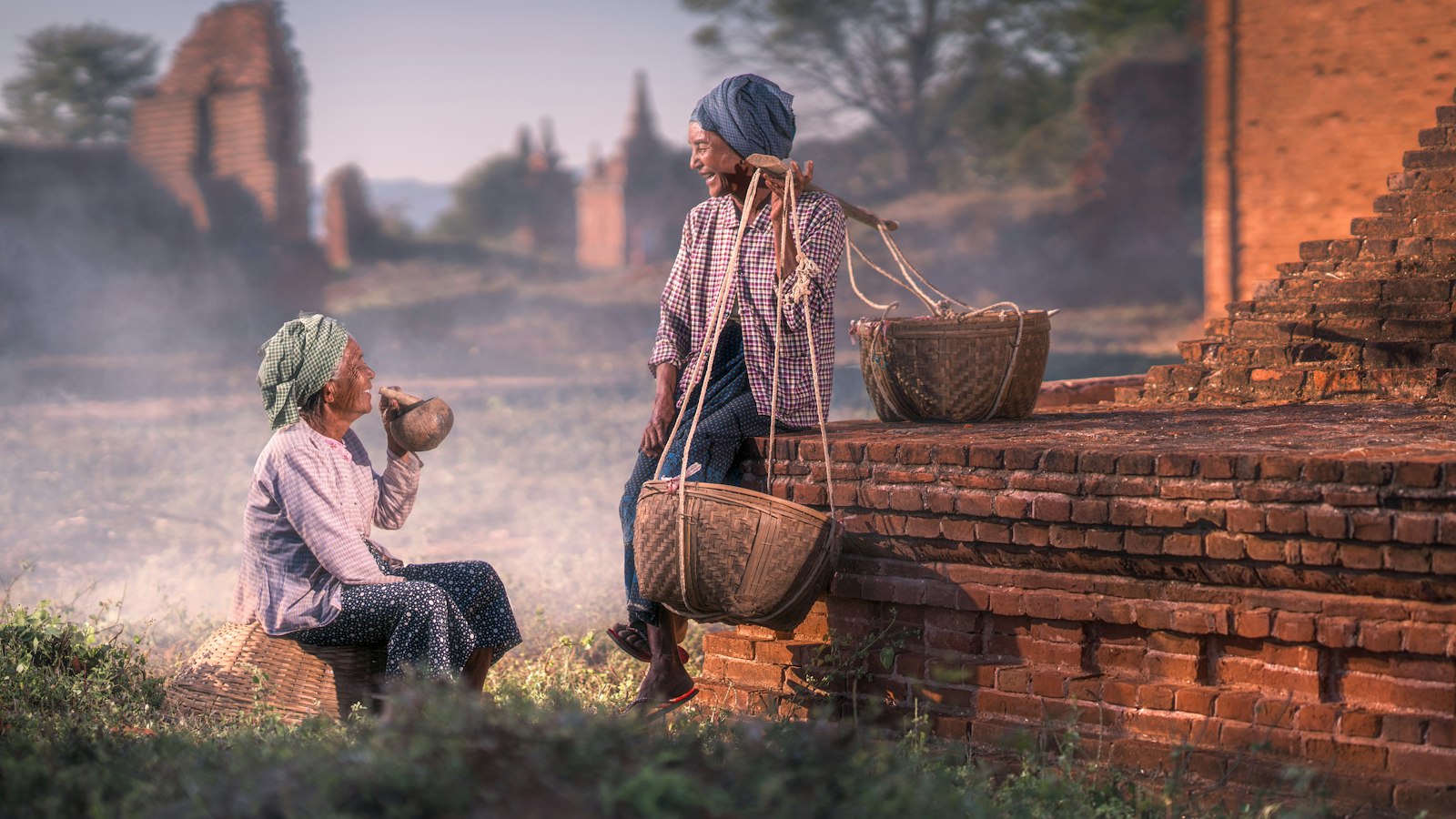
The area lies in an active earthquake zone, and the March 2025 earthquake affected parts of central Myanmar. UNESCO has asked for continued monitoring of damage to the monuments, so some temples or viewing terraces may be closed or restricted at any time. It suits visitors who enjoy slow, self-guided exploring and early starts.
Pyu Ancient Cities
The Pyu Ancient Cities of Halin, Beikthano and Sri Ksetra became Myanmar’s first World Heritage listing in 2014, as described on the UNESCO page for the Pyu Ancient Cities. These are the remains of brick-walled cities of the Pyu people, whose civilisation flourished in the Irrawaddy basin in the first millennium.
There is far less to see than at Bagan: mostly walls, mounds, stupas and a few museums. This is a place for visitors with a strong interest in archaeology, and you should plan a dedicated day with local transport, since the three sites are widely separated.
Cultural and Spiritual Places
Shwedagon Pagoda, Yangon
The Shwedagon is Yangon’s great gilded stupa and the country’s most revered Buddhist site. It is on Myanmar’s tentative list for World Heritage status rather than the inscribed list. Pilgrims, monks and families circle the platform throughout the day, and the atmosphere changes beautifully in the evening when the lights come on.
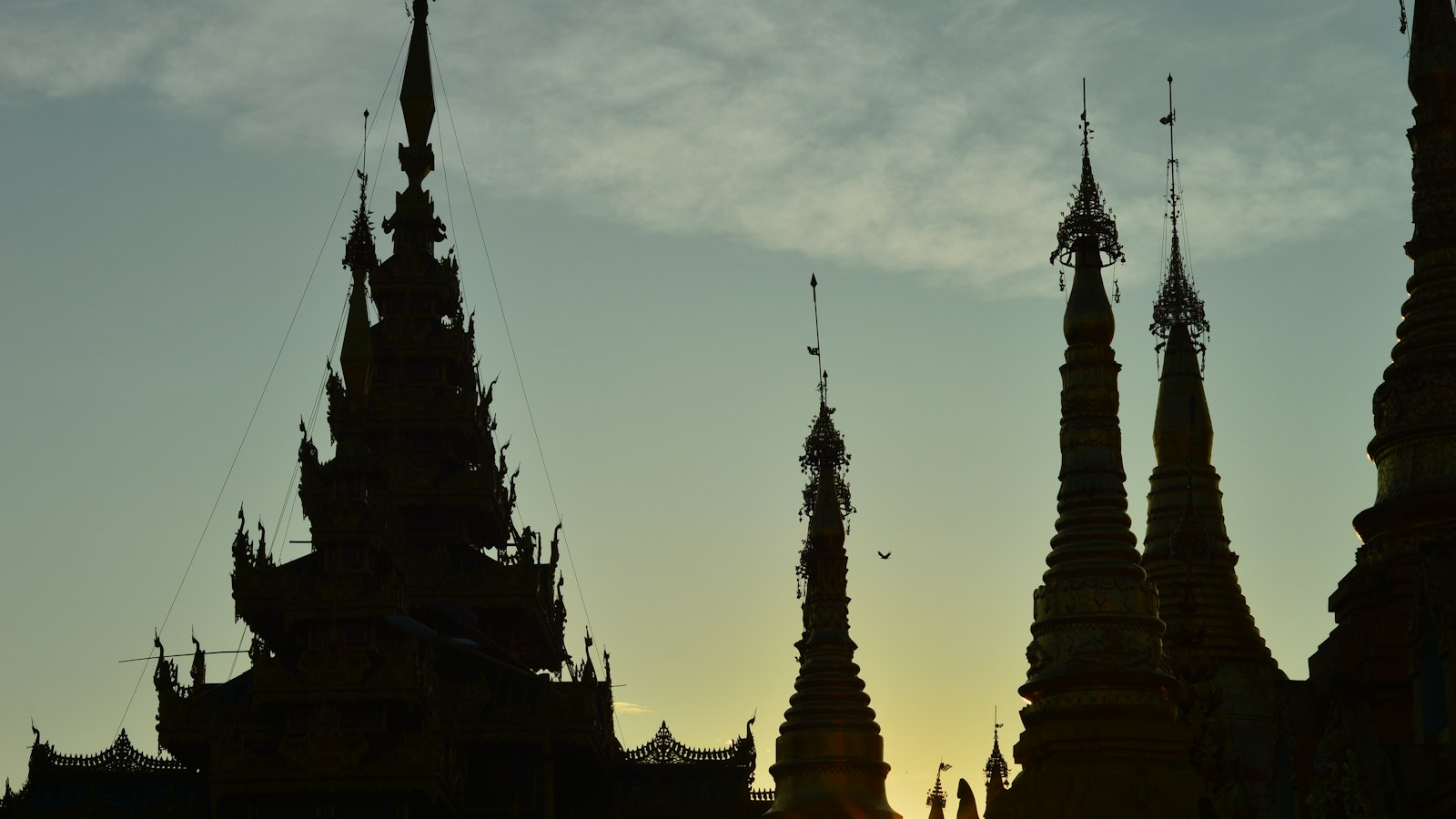
Allow a half day, remove your shoes and socks at the entrance, and dress modestly with shoulders and knees covered. It suits first-time visitors who want an easy introduction to Burmese Buddhism.
Mandalay
Mandalay is the main city of the upper Irrawaddy and a centre of Buddhist learning, marble carving and gold-leaf making. Kuthodaw Pagoda is known for its marble slabs inscribed with Buddhist scripture, and the city is a base for day trips to the old royal capitals nearby. The March 2025 earthquake caused damage to pagodas and other monuments in Mandalay, so check what is open before building an itinerary around a particular site.
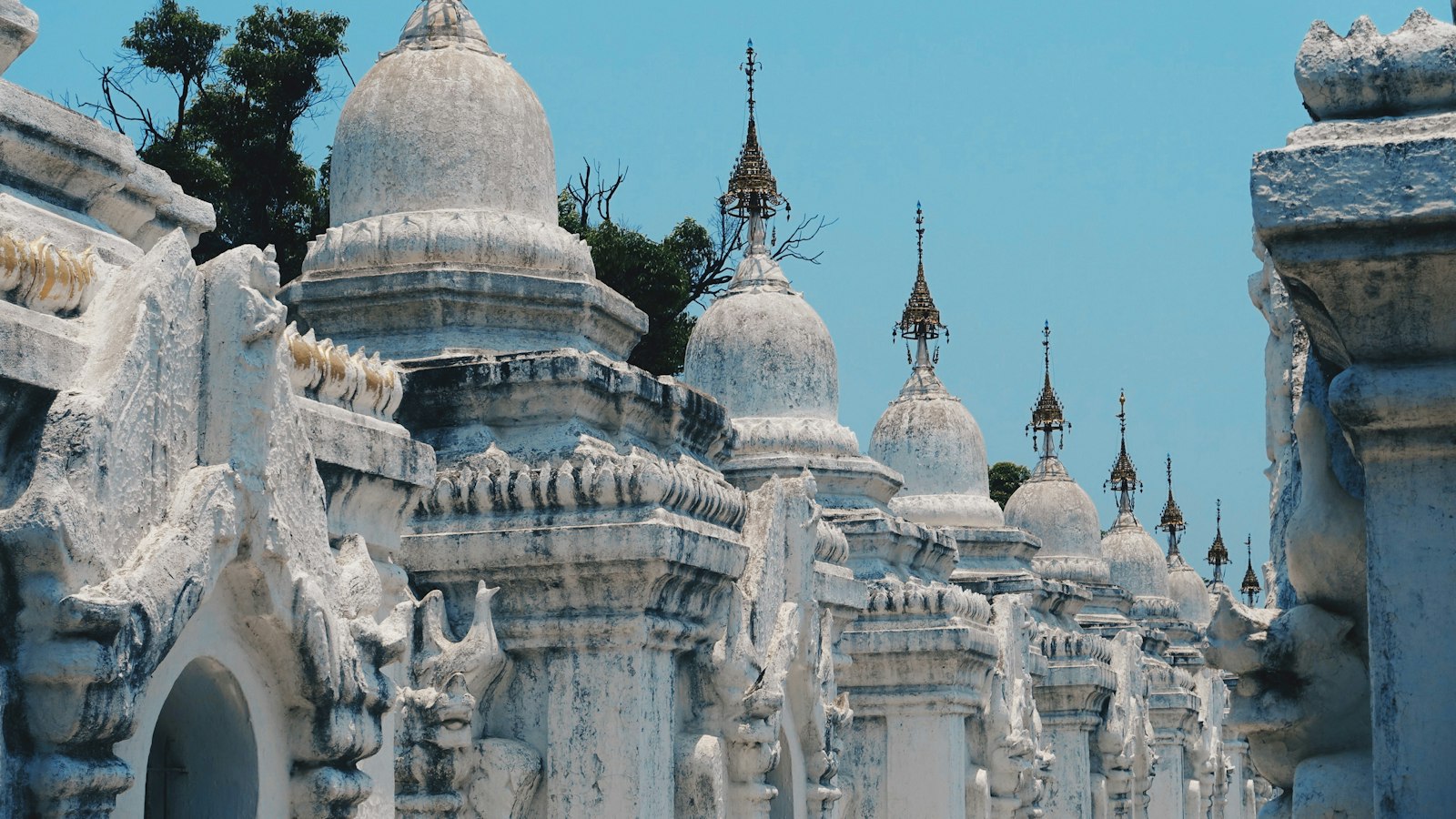
It suits travellers who like craft workshops, monasteries and a busy city that still feels traditional. One to two days is enough for the main sights.
Mount Popa
Mount Popa is an extinct volcanic peak that rises abruptly from the dry plains near Bagan, topped by a monastery at Taung Kalat. It is one of the main centres for the worship of nats, the spirits many Burmese honour alongside Buddhism. Pilgrims climb the stairs past monkeys to the shrine at the top, and views across the plain are wide on a clear day.
Most people visit on a half-day trip from the Bagan area. Wear shoes that are easy to take off, keep food out of sight because of the monkeys, and expect a short but steep climb.
Nature and Lakes
Inle Lake
Inle Lake is a shallow freshwater lake in the Shan hills, famous for its floating gardens, stilt villages and the leg-rowing style of the local fishermen. Longtail boats take visitors between markets, pagodas and weaving and silversmith workshops. Inle is also a Ramsar-listed wetland, so the water and its birdlife are protected.
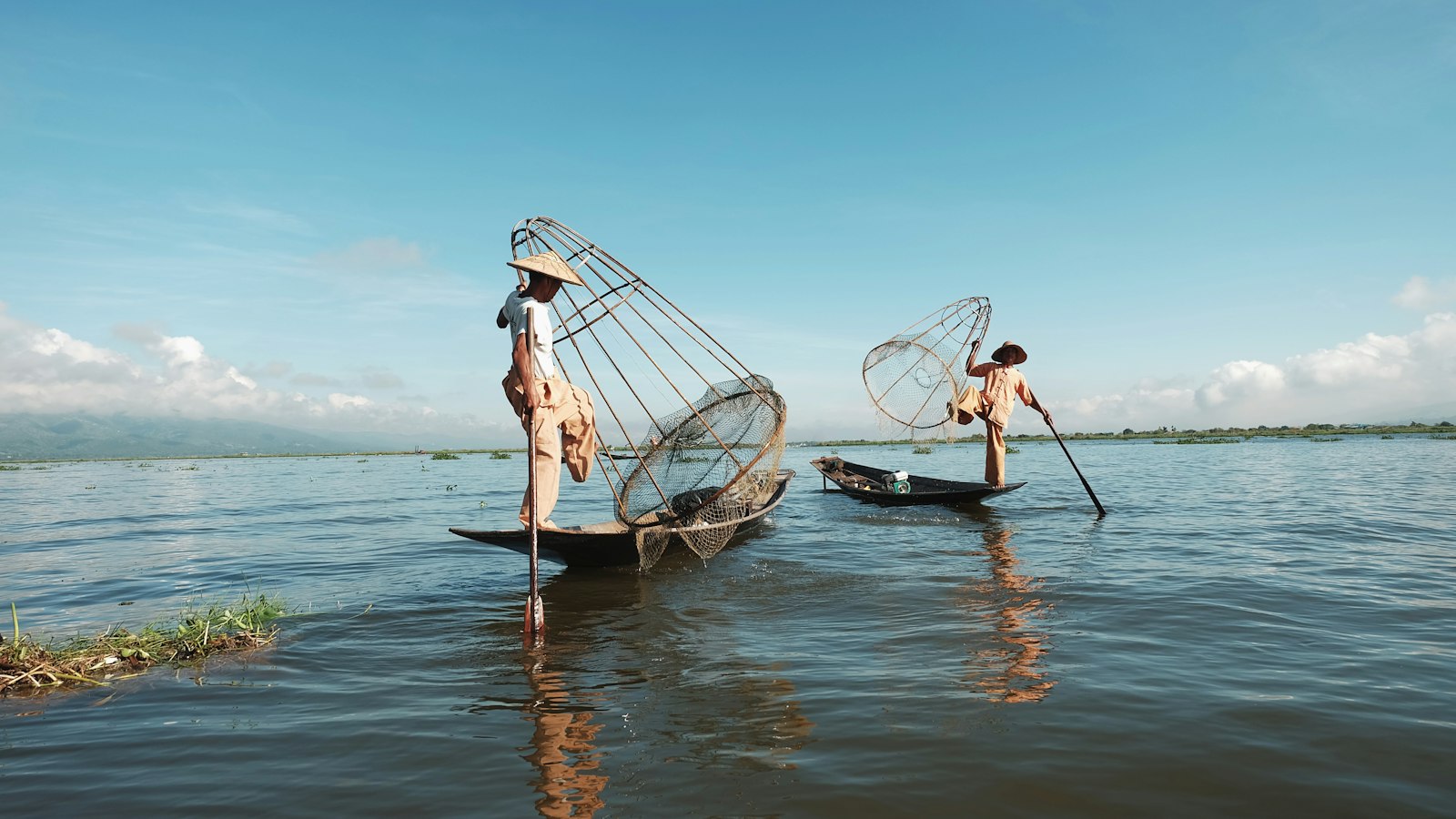
Plan two days if you want a boat trip, a village visit and some time to simply watch the lake. It suits visitors who like slow travel, photography and cooler highland weather.
Frequently Asked Questions
What is the single best place to visit in Myanmar?
Bagan is the most widely recommended first stop because of its scale and its UNESCO status. However, Shwedagon, Inle Lake and Mandalay each offer a different side of the country, so the best choice depends on your interests.
How many days do I need for the main sights?
A focused trip covering Yangon, Bagan, Inle Lake and Mandalay needs roughly ten days with domestic transfers. Shorter trips usually combine two regions only. These are our own planning estimates, not official figures.
Are all places in Myanmar open to foreign visitors?
No. Some areas are restricted for foreigners, and access can change at short notice. Check the immigration authority’s notice and ask your hotel or a local operator before travelling to any region outside the main tourist circuit.
Can I visit Bagan temples freely?
Many temples can be entered, but access has been limited at times after earthquake damage and for conservation. Some terraces used for sunrise or sunset viewing may be closed, so ask locally about which are currently open.