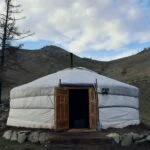
The best places to visit in Mongolia are the Gobi Desert, Lake Khövsgöl, Gorkhi-Terelj National Park, the Orkhon Valley with Erdene Zuu Monastery, the Altai Tavan Bogd region, Gandantegchinlen Monastery in Ulaanbaatar and the Chinggis Khaan Statue Complex. Distances are long, so most visitors combine two or three regions rather than trying to see everything.
Last checked: November 2026
Mongolia is a country of big landscapes and few roads, which changes how you should choose destinations. A famous name on the map may be a full day of bumpy driving away from the next one. The places below are grouped by what they offer, with an honest idea of how long each deserves and who tends to enjoy it most. Pair this page with the itinerary guide, and check entry rules in the visa guide first.
Historic and Cultural Places
Erdene Zuu Monastery
Erdene Zuu stands beside the town of Kharkhorin and is generally described as the country’s oldest surviving Buddhist monastery, founded in the late sixteenth century. A long wall studded with small stupas surrounds a cluster of temples and a museum, and the setting near the ruins of the old imperial capital gives it a strong sense of history.
Allow half a day, or a full day if you add the nearby town and its museum. It suits history lovers and first-time visitors who want a gentle introduction to Mongolian Buddhism. The site lies roughly 360 kilometres south-west of Ulaanbaatar, so it normally forms part of a multi-day trip, and opening hours change by season, so confirm locally.
Orkhon Valley
The Orkhon Valley Cultural Landscape was inscribed by UNESCO in 2004. It covers about 122,000 hectares of pasture on both banks of the Orkhon River, with archaeological remains dating back to the sixth century. Herders still graze their animals here, so the valley feels lived-in rather than preserved behind glass.
Plan two to three days if you want to ride, hike and stay with a family in a ger. It is best for travellers who like quiet scenery, birdwatching and slow cultural encounters. Tracks can be rough, and a driver or guide who knows the area makes the trip much easier.
Gandantegchinlen Monastery
Gandantegchinlen, usually shortened to Gandan, is the main working monastery in Ulaanbaatar and the easiest way to see Buddhist life in the capital. Monks study and chant in the temple halls, and a tall standing statue of Avalokiteshvara dominates the main temple. Dress modestly and ask before taking photographs inside the halls.
One to two hours is enough. It suits anyone spending a day or two in the capital, including families and travellers with limited mobility who want a short, central stop. Check ceremony times locally if you want to hear the chanting.
Chinggis Khaan Statue Complex
This stainless steel equestrian statue rises 40 metres above the plain at Tsonjin Boldog, on the bank of the Tuul River about 54 kilometres east of Ulaanbaatar. Visitors can climb to a viewing deck and explore the exhibitions inside the base. For the sacred mountain landscape linked to Chinggis Khaan’s life, see UNESCO’s entry for Great Burkhan Khaldun, which lies much farther away in Khentii.
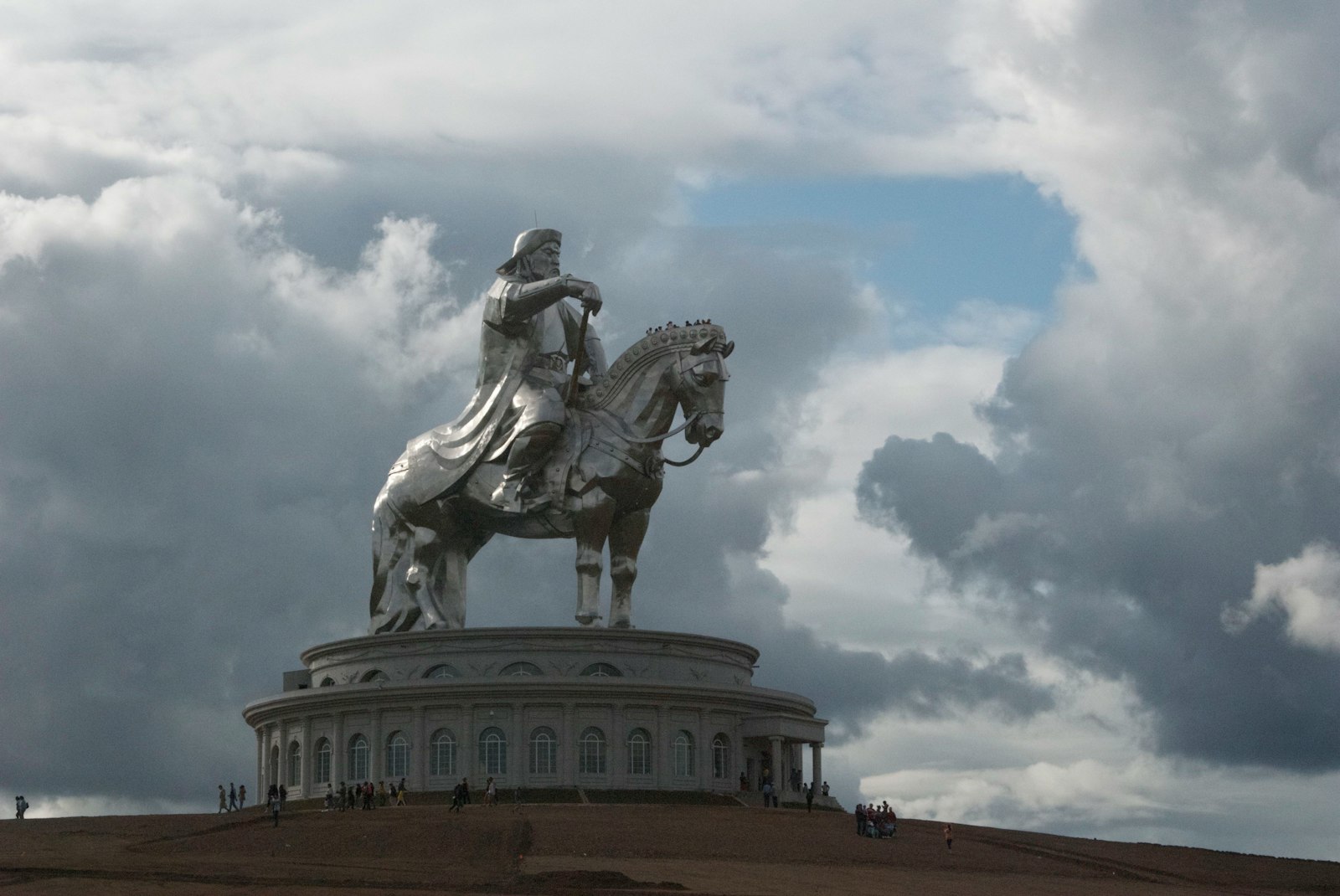
Most people visit on a half-day trip, often combined with Terelj, and the drive takes roughly an hour or a little more depending on traffic. It is good for families, photographers and travellers short on time.
Deserts, Lakes and Mountains
Gobi Desert
The Gobi is less a sea of sand than a patchwork of dunes, gravel plains, red cliffs and canyons. Highlights include the tall singing dunes at Khongoryn Els, the sandstone cliffs of Bayanzag, known for early dinosaur discoveries, and the cold gorge of Yolyn Am. Camel rides and nights in ger camps are the classic activities.
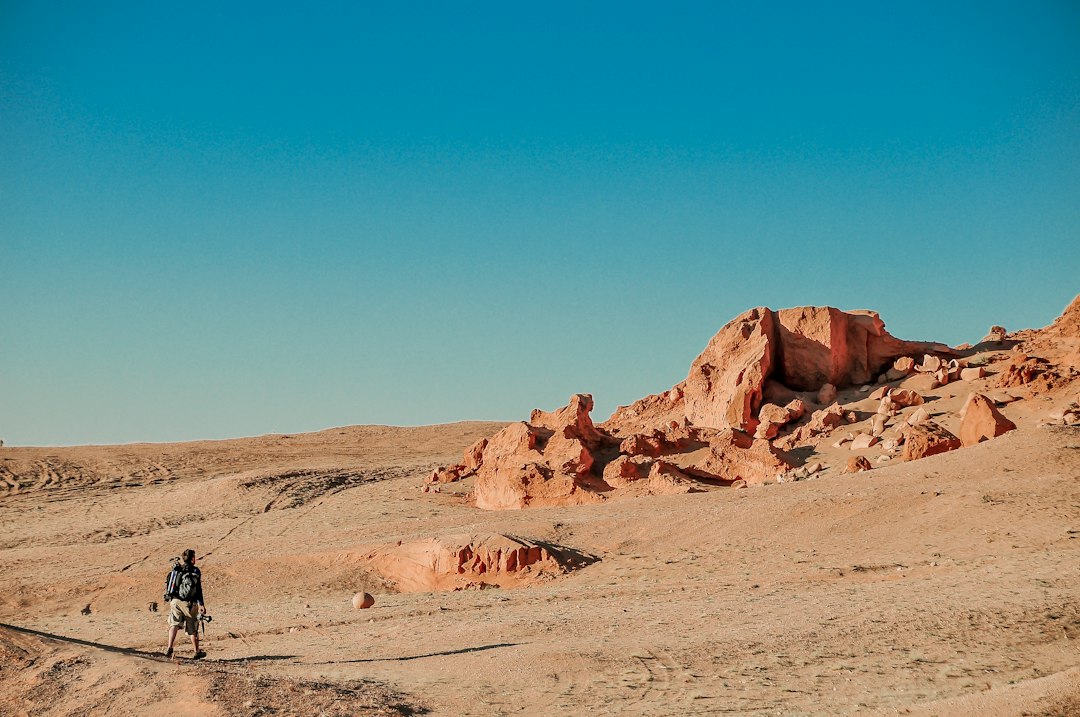
Give it at least four to six days, because the distances between sights are long and the roads are rough. The Gobi suits adventurous travellers and photographers, and late spring to early autumn is the practical window. Check each camp’s opening dates, as many close for winter.
Lake Khövsgöl
In the far north, Lake Khövsgöl lies close to the Russian border and is surrounded by pine forest and mountains. It is a place for horse riding, hiking and boating in summer, and for walking on thick ice in the coldest months. Local herding families and reindeer-herding communities in the wider region add cultural interest.
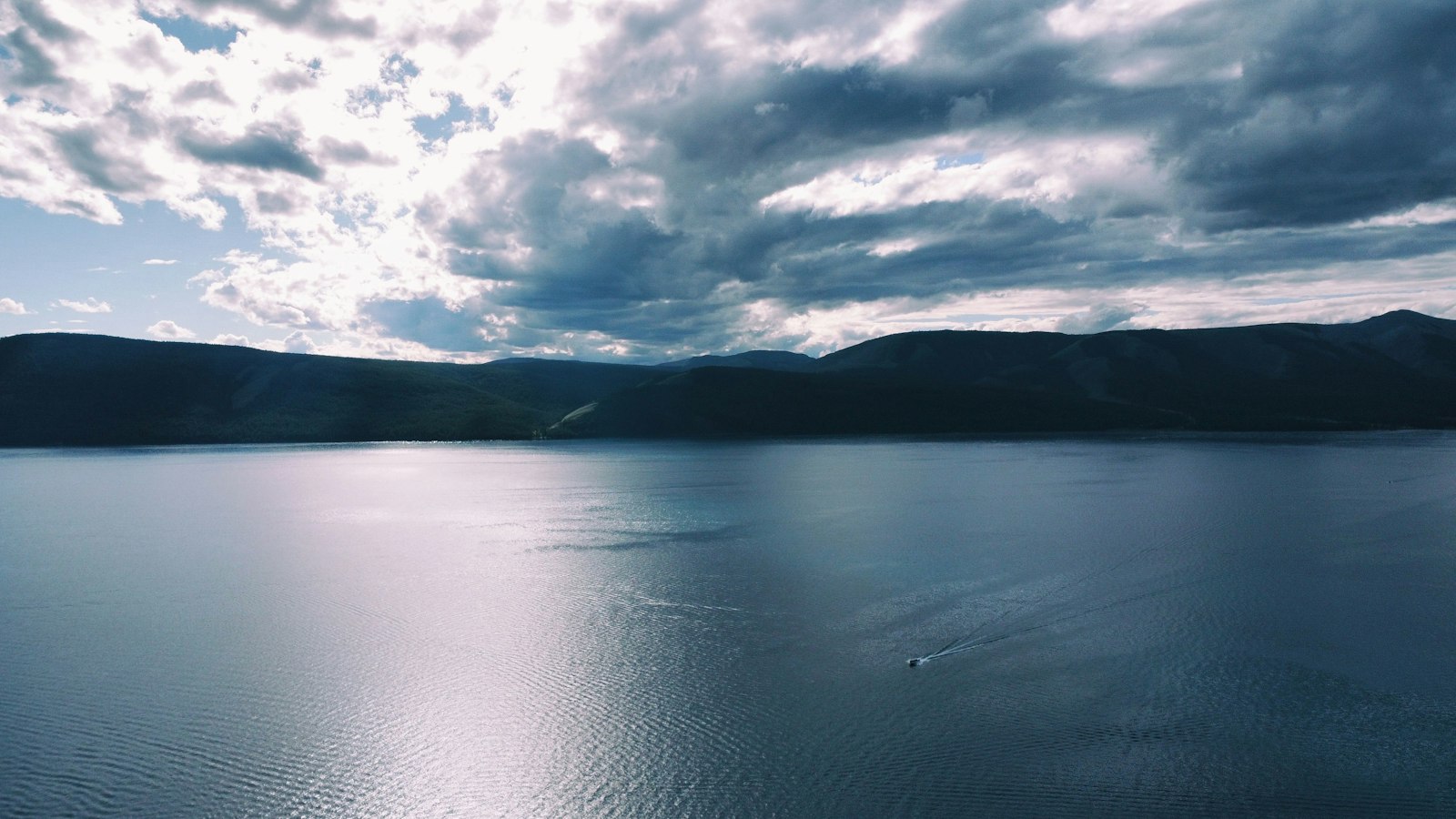
Plan three to four days to make the long journey worthwhile. It suits nature lovers and anyone who prefers cool, green landscapes to desert. Reaching the lake normally involves a flight or a very long drive, and current schedules should be confirmed with the airline or tour operator.
Altai Tavan Bogd National Park
This remote western park sits where Mongolia, China, Russia and Kazakhstan meet, with glaciers and peaks that include Khüiten Peak at 4,374 metres. The area is the home region of Kazakh eagle hunters, and nearby valleys contain rock carvings, including the Petroglyphic Complexes of the Mongolian Altai, which UNESCO inscribed in 2011.
Budget five days or more, and expect basic facilities. It is best for experienced hikers and cultural travellers who are comfortable with long travel days. Border-zone permits can be required in this region, so ask your operator to arrange them in advance.
National Parks and Easy Outdoor Escapes
Gorkhi-Terelj National Park
Terelj is the most convenient nature stop from the capital, about 55 kilometres north-east of Ulaanbaatar. Granite outcrops, forested valleys and the river make it good for hiking, horse riding and a first night in a ger camp. Rock formations such as Turtle Rock are popular photo stops.
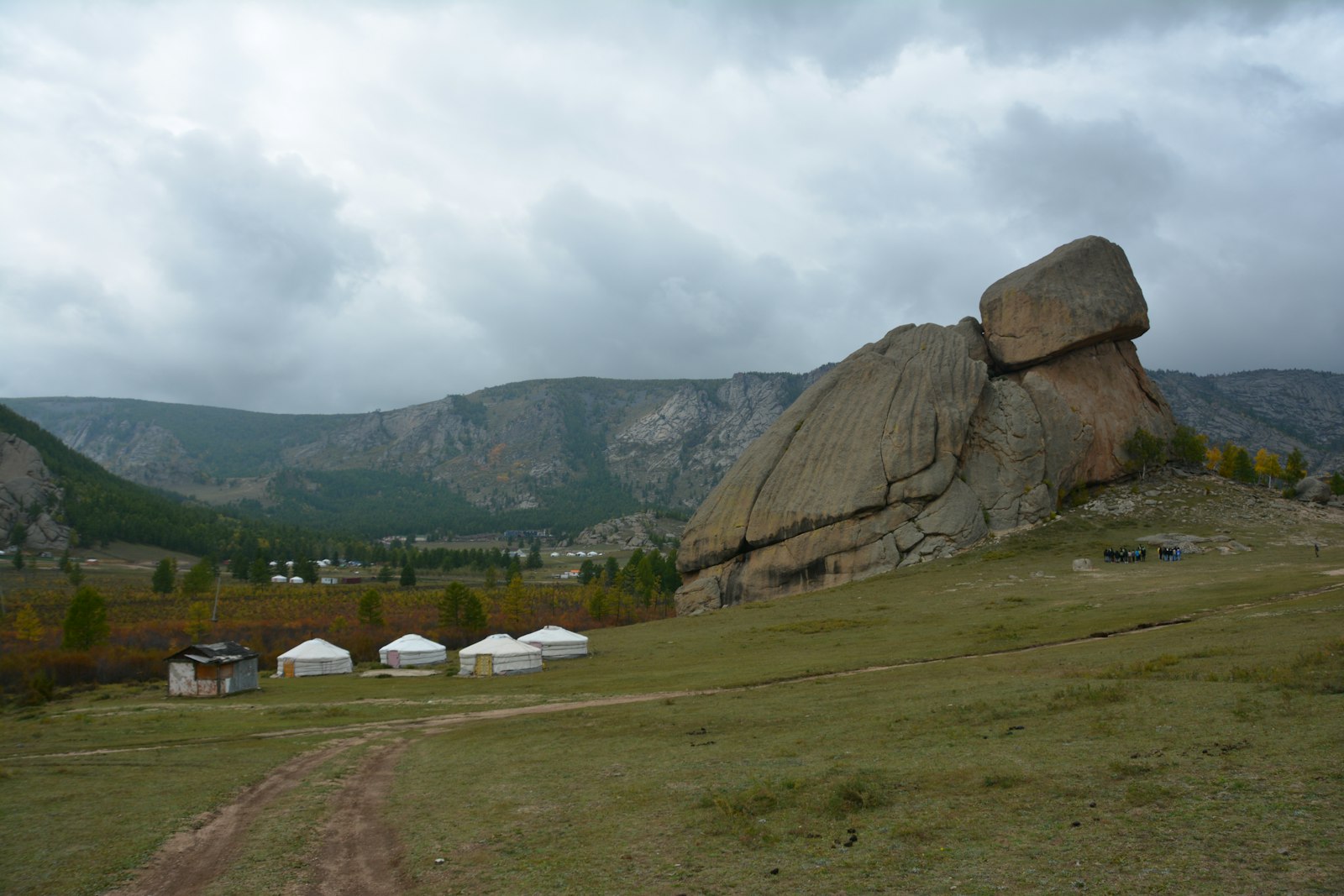
One night is ideal, though a day trip works. It suits families, first-time visitors and people who want a taste of the countryside without long drives. Summer weekends are busier, and winter visits need warm clothing because nights are cold.
How to Choose Between Them
If you have three or four days, combine Ulaanbaatar, Gandan, Terelj and the statue complex. With a week, add either the Orkhon Valley or a shorter Gobi route. Longer trips can reach Khövsgöl or the Altai, but those regions reward travellers who accept slower, more expensive logistics. For the weather behind each choice, read the best time to visit guide.
Frequently Asked Questions
What is the best place to visit in Mongolia for first-timers?
Most first-time visitors start with Ulaanbaatar, then add Gorkhi-Terelj National Park and, if time allows, the Orkhon Valley or a short Gobi route. This mix gives culture, scenery and a ger stay without extreme travel days.
How many days do I need to see the Gobi Desert?
Plan four to six days for a worthwhile Gobi trip. Distances are long and roads are rough, so shorter visits feel rushed. A driver or guide is strongly recommended for remote sections.
Can I visit Lake Khövsgöl in winter?
Yes, some travellers visit when the lake is frozen, but conditions are severe and many camps are closed. Confirm access, accommodation and transport with an operator before booking a winter trip.
Are Mongolia’s best places easy to reach on my own?
Terelj, Gandan and the Chinggis statue are straightforward from Ulaanbaatar. The Gobi, Khövsgöl and Altai are much harder independently, so many travellers book a driver, guide or organised tour.