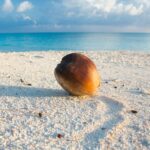
The Marshall Islands has no mountains, rivers or large towns, so the best places are lagoons, beaches, wartime relics and the communities that live around them. Most visitors base themselves on Majuro and reach other atolls by boat or domestic flight.
Quick answer: the best places to visit in the Marshall Islands are Majuro Atoll for the Alele Museum and Laura Beach, Arno Atoll for a short boat trip to quiet lagoon islands, Jaluit and Mili for history, Likiep for its historic settlement, and Bikini Atoll for a UNESCO World Heritage site that is usually reached by arranged diving trips.
Last checked: November 2026
How to choose where to go
Distances between atolls are large and accommodation outside Majuro is limited, so decide first how much time and planning you have. Majuro works for almost everyone, while outer atolls usually need advance arrangements with local families, guesthouses or tour operators. Check current access and transport before you commit, and allow slack for weather and schedule changes.
Majuro Atoll
Majuro is the capital atoll, the main arrival point and home to about half of the country’s people. Government buildings and most shops stand on the fused islands of Djarrit, Uliga and Delap, known together as DUD, and a single road runs along the atoll.
Alele Museum, Library and National Archives
Why visit: the best short introduction to Marshallese history and custom. Main attractions: traditional canoes, navigation tools including stick charts, historic photographs and wartime objects. Time needed: one to two hours. Best for: culture and history lovers, and a useful stop on a rainy day.
Laura Beach
Why visit: a white-sand beach at the western end of the atoll with calm, clear water. Main attractions: swimming, snorkelling, picnics and quiet shoreline walks. Time needed: half a day. Best for: families and beach visitors. Not every beach in the country is suitable for swimming, so ask locally about conditions and currents.
Majuro Peace Park and Delap Park
Why visit: a quiet memorial to those who died in World War II, and a family park with picnic areas in town. Time needed: an hour each. Best for: history visitors and travellers on a budget.
Majuro Lagoon diving and snorkelling
Why visit: reef life including schools of fish, rays, turtles and coral. Time needed: a half-day trip. Best for: certified divers and confident snorkellers using a local operator.
Outer atolls
The outer atolls are where most visitors find the quiet, traditional side of the country. Services are limited, so travel with a local contact or a specialist operator.
Arno Atoll
Why visit: the easiest escape from Majuro, with quiet beaches, lagoon islands and village life. Access: reachable from Majuro by boat, and one guide describes the trip as roughly 45 to 60 minutes, so confirm the time and operator in advance. Time needed: a day trip or an overnight stay. Best for: relaxed beach and lagoon time.
Mili Atoll
Why visit: beaches and Pacific War remains, including shelters and structures from the Japanese period. Time needed: two or more days. Best for: history lovers with a flexible schedule.
Jaluit Atoll
Why visit: it was the centre of German colonial administration and later a Japanese base, and it offers wartime remains and diving. Time needed: two or more days. Best for: history and diving visitors.
Likiep Atoll
Why visit: a historic settlement with the deBrum house, the only surviving German-era wooden building in Micronesia, built in 1904 to 1905, within a quiet atoll. Access: by boat or charter flight from Majuro. Time needed: two or more days. Best for: travellers who want a slow, off-the-beaten-track stay.
Wotje and Maloelap
Why visit: these atolls hold some of the greatest variety of Pacific War remains, including shelters, vehicles and buildings. Time needed: several days. Best for: experienced independent travellers.
Bikini Atoll
Why visit: Bikini Atoll Nuclear Test Site is the country’s only UNESCO World Heritage site, listed in 2010 as a testimony to the start of the nuclear age. It has terrestrial and underwater remains, including shipwrecks, from the 1946 to 1958 tests. Access: visits are usually arranged as organised or live-aboard diving trips, and diving there needs advanced skills. A small caretaker population lives on the atoll, and access conditions can change, so confirm current rules with an operator and the authorities. Best for: experienced divers and travellers interested in modern history.
Ebeye and Kwajalein Atoll
Ebeye, on Kwajalein Atoll, is the second-largest settlement after Majuro and one of the most densely populated places in the Pacific. Kwajalein Island is part of a United States military range, so access is restricted. Check current entry rules before planning any visit to this atoll.
Best places by travel style
- First-time visitors: Majuro with a day trip to Arno.
- History: Alele Museum, Jaluit, Mili, Wotje and Bikini.
- Beaches and snorkelling: Laura Beach, Majuro Lagoon and Arno.
- Diving: Majuro Lagoon and Bikini for experienced divers.
- Quiet and traditional: Likiep and other outer atolls.
Official sources
- UNESCO: Bikini Atoll Nuclear Test Site.
- Marshall Islands Visitors Authority, for current visitor information.
- US State Department travel advisory.
Best places FAQs
What is the best place to start in the Marshall Islands?
Majuro is the usual starting point, with the Alele Museum, Laura Beach and the only international airport. From there you can add a boat trip to Arno or a domestic flight to another atoll if your schedule allows.
Can tourists visit Bikini Atoll?
Bikini is usually visited on arranged diving or live-aboard trips, and diving there needs advanced skills. Access conditions can change, so confirm the current rules and availability with an operator before you book.
Is Laura Beach good for swimming?
Laura Beach is described as one of the easiest and calmest beaches on Majuro, with clear water. Conditions vary, so ask locally about tides and currents before swimming, especially with children.
How many days do I need?
Two or three days covers Majuro and a day trip to Arno. Add two or more days for each outer atoll you want to reach, because transport is limited and schedules can change.