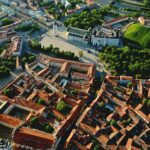
The best places to visit in Lithuania range from the UNESCO-listed Old Town of Vilnius to the dunes of the Curonian Spit and quiet lake districts. The country is compact, so most places can be reached from the capital or the coast. This guide groups them by theme and gives time needed and the best visitor type for each.
What Are the Best Places to Visit in Lithuania?
The top places are Vilnius Old Town, Kaunas, Trakai Island Castle, Kernavė, the Curonian Spit with Nida, and the Hill of Crosses. Together they cover medieval history, interwar architecture, beaches and pilgrimage heritage in a small area, which suits trips of five to ten days.
Last checked: November 2026
We do not rank these places, because the best choice depends on your interests and season. Opening hours, ferry times and entry fees change, so confirm them with each site before you go.
Historic Places
Vilnius Old Town
Why visit: The historic centre has been on the UNESCO World Heritage List since 1994 and is one of the larger surviving medieval old towns in Europe. Main attractions: Vilnius Cathedral and its belfry, Gediminas’ Tower, the Gate of Dawn, St. Anne’s Church and the courtyards of Vilnius University. Time needed: two days. Best for: first-time visitors, architecture fans and history lovers. Most of the centre is walkable, though cobbled lanes can be uneven.
Trakai Island Castle
Why visit: A red-brick castle on an island in Lake Galvė, close to Vilnius and a former seat of the Grand Dukes. Main attractions: the castle museum, lake views, boat and kayak hire, and kibinai pastries in the town. Time needed: half a day to a full day. Best for: families, photographers and day-trippers. Summer weekends are busy, so go early.
Kernavė Archaeological Site
Why visit: Kernavė is a UNESCO site in the Neris valley with hillforts, settlements and burial sites spanning from the late Paleolithic to the Middle Ages. Main attractions: the hillfort mounds, the open-air landscape and the local museum. Time needed: half a day. Best for: history enthusiasts and walkers. It is best in dry weather, since much of the visit is outdoors.
Major Cities
Kaunas
Why visit: The country’s second city served as the temporary capital in the interwar years and has many buildings from that era. Main attractions: the Old Town and castle, Laisvės Alėja pedestrian avenue, museums and cafes. Time needed: one to two days. Best for: design and architecture fans, and anyone interested in 20th-century history.
Klaipėda
Why visit: The main port sits at the mouth of the Curonian Lagoon and is the gateway to the Curonian Spit. Main attractions: the old town with its German-influenced street plan, the waterfront and the ferries to the spit. Time needed: one day as a stop on the way to the coast. Best for: coastal travellers and ferry lovers.
Beaches and Coast
Curonian Spit and Nida
Why visit: The Curonian Spit is a narrow strip of dunes and pine forest between the Baltic Sea and the Curonian Lagoon, and it is a UNESCO World Heritage Site shared with Russia. Main attractions: the sand dunes, walking and cycling paths, fishing villages and the resort town of Nida. Time needed: two to three days. Best for: nature lovers, cyclists and beach visitors. The best weather is in summer, and some services are limited out of season.
Palanga
Why visit: Palanga is a lively seaside resort on the open Baltic coast. Main attractions: a wide sandy beach, a long pier, a botanical park and the Amber Museum. Time needed: one to two days. Best for: families and summer beach holidays.
National Parks and Outdoor Destinations
Aukštaitija, Dzūkija and Žemaitija
Why visit: Lithuania has several national parks, including Aukštaitija, Dzūkija, Žemaitija, Trakai Historical and Curonian Spit. Aukštaitija and Dzūkija are known for lakes and forests, and Žemaitija has lakes and rolling hills. Main attractions: hiking trails, canoeing, cycling and village homesteads. Time needed: two or more days. Best for: hikers, paddlers and anyone seeking quiet. A car makes it easier to reach trailheads.
Cultural and Pilgrimage Sites
Hill of Crosses
Why visit: This pilgrimage site near Šiauliai is covered with a very large number of crosses left by visitors. Main attractions: the hill itself and the quiet, reflective atmosphere. Time needed: one to two hours, often combined with a longer day trip. Best for: cultural travellers and pilgrims.
Food Destinations
For traditional dishes, try the markets and restaurants of Vilnius, such as Hales Market for local produce, and the town of Trakai for kibinai. Coastal towns such as Palanga are good for summer soups and fresh fish. Read more about local dishes in our Lithuania travel guide.
Official Sources
Best Places in Lithuania FAQs
How many days do I need in Lithuania?
Five days covers Vilnius, Trakai and either Kaunas or the coast. With seven to ten days you can add the Curonian Spit, a national park and a pilgrimage stop without rushing.
Can I visit Trakai and Kernavė from Vilnius in a day?
Both are short trips from the capital, but combining them makes a full day, especially without a car. Many visitors prefer to visit them on separate days or join a guided tour. Check current transport options before you go.
Which place is best for nature?
The Curonian Spit is the best-known nature destination, with dunes, forest and lagoon views. For lakes and quiet trails, look at Aukštaitija and Dzūkija national parks.
Are the Curonian Spit and Nida open all year?
The area can be visited year-round, but services in Nida and ferries can run on reduced schedules outside summer. Check ferry and accommodation availability before travelling in winter or spring.