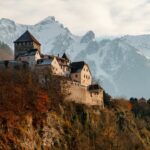
Liechtenstein is small, but its climate changes a lot between the Rhine valley and the high Alpine ridges. This guide shows what each season is like, how the weather looks month by month, and which time of year suits hiking, skiing, festivals or quiet sightseeing.
When Is the Best Time to Visit Liechtenstein?
For most travellers, the best time to visit Liechtenstein is late spring to early autumn, roughly May to September, when the valley is green and mountain paths are open. Skiers should come in winter, when Malbun is the main resort. The best month depends on whether you want hiking, snow or quiet.
Last checked: November 2026
Liechtenstein has a temperate climate with a clear Alpine influence. Rain falls in every month, so a waterproof layer is useful whenever you go. The weather also differs by height: Vaduz sits in the valley at about 460 metres, while Malbun lies near 1,600 metres, so mountain days are noticeably cooler than valley days.
Liechtenstein Weather by Month
The table uses published 1991–2020 climate normals for Vaduz. These are long-term averages, not forecasts, so check a current forecast a few days before you travel. Average highs for November and December are not listed here because we have not verified them.
| Month | Average high (°C) | Average low (°C) | Rainfall (mm) |
|---|---|---|---|
| January | 5.0 | -2.0 | 41 |
| February | 6.8 | -1.1 | 34 |
| March | 11.8 | 2.3 | 54 |
| April | 16.0 | 5.6 | 57 |
| May | 20.1 | 9.7 | 90 |
| June | 23.2 | 13.0 | 116 |
| July | 24.9 | 14.6 | 130 |
| August | 24.3 | 14.6 | 144 |
| September | 20.0 | 10.8 | 96 |
| October | 15.7 | 6.9 | 68 |
| November | n/a | 2.2 | 56 |
| December | n/a | -1.1 | 54 |
The wettest months are June to August, when afternoon thunderstorms are common, and the driest are January and February. Across the year Vaduz receives roughly 940 millimetres of precipitation, and winter precipitation often falls as snow.
Seasons in Liechtenstein
Spring (March to May)
Spring is a gradual start. March is still cold in the valley, April brings fresh green slopes, and by May daytime highs reach about 20 °C in Vaduz. Higher trails may hold snow into spring, so stay on valley and village walks early in the season and check conditions before heading up.
Summer (June to August)
Summer is the warmest season and the main time for hiking, cycling and mountain walks. It is also the wettest, so start walks early and carry a rain jacket. Evenings in the mountains are cool even when the valley is warm. National Day on 15 August brings celebrations in Vaduz, and accommodation can be harder to find around it, so book early.
Autumn (September to November)
September and October keep pleasant walking weather, with rainfall easing after the summer peak and fewer visitors on the trails. Autumn is also when cattle are traditionally brought down from the mountain pastures in a ceremonial drive, as described by Liechtenstein Tourism. By November the valley turns grey and cold, and many visitors wait for winter.
Winter (December to February)
Winter is cold and snowy. Malbun is the country’s main ski resort, and Liechtenstein Tourism’s winter guide lists skiing, winter hiking, ice skating, ice climbing and sledging. Exact lift opening dates depend on snow and are set by the operator each year, so confirm them before you book. Vaduz also holds a Christmas market in December.
Best Time to Visit by Travel Style
- Hiking and cycling: late spring to early autumn, with September a good choice if you want fewer crowds.
- Skiing and winter sports: winter, mainly in Malbun and nearby Steg, subject to snow conditions.
- Sightseeing and museums: any month. Indoor attractions suit rainy or cold days.
- Festivals and local culture: February or March for carnival season, and 15 August for National Day.
- Quiet, lower-cost trips: shoulder months such as late April, May and October, although prices and availability should always be checked directly.
Festivals and Public Holidays
Fasnacht, the carnival season, runs from the Thursday before Ash Wednesday to Carnival Tuesday, and Funkensonntag follows on the Sunday after Ash Wednesday with bonfires in the villages. Liechtenstein Tourism explains both on its customs and traditions page. National Day is held on 15 August, and the Liechtenstein embassy’s account of National Day explains why the date was chosen.
We have not verified the full list of public holidays or school holiday dates, so check them with an official source before planning around them. Shops and some attractions may close on public holidays.
Regional Differences: Valley and Mountains
The Rhine valley, with Vaduz, Schaan and Balzers, is milder and is the best base for museums, castles and village walks in spring and autumn. The mountain area around Triesenberg, Steg and Malbun is cooler, gets more snow, and is the better choice for winter sports and summer hiking. Because distances are short, you can combine both in one trip.
What to Pack
- A waterproof jacket and compact umbrella for any season.
- Layers, because mountain temperatures drop quickly after sunset.
- Sturdy walking shoes for trails, and warm boots and gloves in winter.
- Sun protection for high-altitude summer days.
Frequently Asked Questions
What is the best month to visit Liechtenstein?
For hiking and mild weather, many travellers choose between May and September. September is a good compromise, with temperatures around 20 °C in Vaduz and less rain than July and August. For skiing, choose winter instead.
When does it snow in Liechtenstein?
Snow is most common from December to February in the valley, and mountain areas such as Malbun hold snow longer. Vaduz records snowy days mainly from November to March, so winter travellers should prepare for cold, snowy weather.
Is Liechtenstein worth visiting in winter?
Yes, if you like snow sports or a quiet Alpine setting. Malbun offers skiing and winter activities, and Vaduz has a Christmas market in December. Daylight is shorter and some mountain paths are closed, so plan around conditions.
What is the rainiest time of year?
Summer is the wettest period, with June to August averaging about 116 to 144 millimetres a month in Vaduz. Rain is possible in every month, so carry waterproof clothing whenever you visit.