Best Places to Visit in Japan at a Glance
The best places to visit in Japan include Tokyo for city energy, Kyoto and Nara for temples and ancient history, Osaka for food, Hiroshima and Miyajima for history and shrine scenery, Mt. Fuji for mountain views, and Hokkaido and Okinawa for nature and coast. Your best choice depends on the season and your interests.
Last checked: November 2026
Japan is a long, mountainous island country, so a trip works best when you group places by region instead of trying to see everything. Japan has 27 UNESCO World Heritage sites (22 cultural and 5 natural), the newest being the Ancient Capitals of Asuka and Fujiwara in Nara Prefecture, inscribed in July 2026, according to Japan’s Agency for Cultural Affairs. This guide groups the main destinations by type, with a suggested visit length and the kind of traveller each place suits. The suggested times are planning guidance, not official figures.
Major Cities
Tokyo
Why visit: Japan’s capital combines neon districts, quiet shrines, museums and some of the country’s best dining. Main attractions: Senso-ji temple in Asakusa, Meiji Jingu shrine, the Shibuya and Shinjuku districts, and the Ueno museums. Suggested time: 3 to 4 days. Best for: first-time visitors, food lovers and shoppers.
Osaka
Why visit: Osaka is known for casual, hearty street food and a lively nightlife area around Dotonbori. Main attractions: Osaka Castle, the Dotonbori canal district and the Kuromon market area. Suggested time: 2 days, or longer if you use it as a base for Kyoto, Nara and Himeji. Best for: food lovers and travellers who like a relaxed, friendly city.
Sapporo
Why visit: The main city of Hokkaido is a gateway to the northern island and is known for seafood, ramen and winter events. Suggested time: 1 to 2 days before exploring the rest of Hokkaido. Best for: travellers combining city life with outdoor trips.
Historic Destinations
Kyoto
Why visit: Kyoto was Japan’s imperial capital for centuries and still has a dense collection of temples, shrines, gardens and traditional streets. Its historic monuments are a UNESCO World Heritage listing. Main attractions: Fushimi Inari Taisha, Kiyomizu-dera, Kinkaku-ji and the Arashiyama area. Suggested time: 3 days. Best for: culture and history lovers and photographers. Visit popular temples early in the day to avoid crowds.
Nara
Why visit: Nara is compact and easy to explore on foot. Main attractions: Todai-ji with its great Buddha hall, Kasuga Taisha and the free-roaming deer in Nara Park. Suggested time: a full day trip, or a night if you also want to see the Asuka-Fujiwara sites newly added to the UNESCO list. Best for: families and history fans.
Himeji
Why visit: Himeji Castle is among Japan’s best-preserved original castles and a UNESCO World Heritage site. Suggested time: half a day. Best for: architecture and history enthusiasts.
Hiroshima and Miyajima
Why visit: Hiroshima’s Peace Memorial Park and the Atomic Bomb Dome (both UNESCO-listed) tell the story of 1945 and the city’s commitment to peace. Nearby Miyajima island is home to Itsukushima Shrine, also a World Heritage site, with its famous torii gate. Suggested time: 2 days for both. Best for: history-minded travellers and photographers.
Nikko
Why visit: The shrines and temples of Nikko, north of Tokyo, are richly decorated and set among mountain forest. Suggested time: 1 day trip, or an overnight stay. Best for: travellers who want culture and nature near Tokyo.
Cultural and Traditional Japan
Kanazawa
Why visit: Kanazawa keeps a preserved samurai and tea-house atmosphere and is home to Kenroku-en, one of the country’s celebrated gardens. Suggested time: 1 to 2 days. Best for: garden, craft and museum lovers.
Shirakawa-go and Takayama
Why visit: The steep-roofed farmhouses of Shirakawa-go are part of a UNESCO-listed group of historic villages, and nearby Takayama has a well-kept old town. Suggested time: 1 to 2 days. Best for: rural scenery and traditional architecture, especially in autumn and winter.
Mountains, National Parks and Outdoor Japan
Mt. Fuji and the Five Lakes
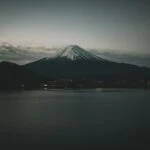
Why visit: Japan’s highest peak is a UNESCO-listed cultural landscape and a symbol of the country. You can enjoy it from the lakes and viewpoints without climbing. Access: the official climbing season is short, usually early July to mid-September, and rules, fees and reservations are managed by Yamanashi and Shizuoka prefectures, so check the Official Website for Mt. Fuji Climbing before you plan a climb. Suggested time: 1 to 2 days. Best for: hikers and photographers.
Hokkaido
Why visit: Hokkaido offers wide landscapes, hot springs and the Shiretoko peninsula, a UNESCO natural World Heritage site. Suggested time: 4 to 7 days because distances are long. Best for: nature lovers and winter sports fans.
Yakushima
Why visit: This island south of Kyushu is a UNESCO natural World Heritage site known for ancient cedar forests and mountain hiking. Suggested time: 2 to 3 days. Best for: experienced walkers who accept changeable, wet weather.
Beaches and Coast
Okinawa
Why visit: Okinawa has a subtropical climate, clear water and a distinct Ryukyuan history, including the Gusuku sites and ruins that are part of a UNESCO World Heritage listing. Suggested time: 3 to 5 days. Best for: beach travellers, divers and families.
Food Destinations
Osaka, Fukuoka and Sapporo
Why visit: These cities are widely known for regional dishes, from Osaka’s takoyaki and okonomiyaki to Fukuoka’s ramen and street stalls and Hokkaido’s seafood. Suggested time: 1 to 2 days each. Best for: travellers who plan their trip around eating.
Planning Tips for Choosing Places
For a first trip, many visitors combine Tokyo, Kyoto, Osaka and either Hiroshima or Nara. For a second trip, regions such as Hokkaido, Kyushu, Shikoku or Okinawa give a different pace. Match your plan to the season, since cherry blossom, autumn colour and winter snow each change which places feel best. Japan’s US State Department advisory is currently Level 1, exercise normal precautions.
Official references: Japan’s Agency for Cultural Affairs World Heritage page, Official Website for Mt. Fuji Climbing and US State Department Japan travel advisory.
Frequently Asked Questions
How many days do I need to see the best places in Japan?
Ten to fourteen days lets you see Tokyo, Kyoto, Osaka and one or two other regions without rushing. With 5 to 7 days, focus on one corridor such as Tokyo to Kyoto and Osaka, rather than covering the whole country.
Which place is best for first-time visitors?
Tokyo and Kyoto are the usual starting points because they offer the widest mix of food, temples and modern city life, with strong transport links to nearby day trips such as Nara and Nikko.
Is Mt. Fuji open for climbing all year?
No. The official climbing season is short, normally early July to mid-September. Outside that period, climbing is discouraged and conditions can be dangerous. Check the official climbing website for current dates, fees and reservation rules.
What are the best places in Japan for nature?
Hokkaido, Mt. Fuji, Yakushima and Shiretoko are the best-known natural highlights. Several are UNESCO-listed and suit different seasons, so check the weather and access before you go.