Safety Notice: The US Department of State rates Iraq Level 4, Do Not Travel, and the UK FCDO advises against all travel to parts of Iraq and against all but essential travel to other areas. Many sites below are in regions covered by these warnings. Read the US advisory and the UK FCDO advice before planning. Last checked: November 2026.
Best Places to Visit in Iraq
Iraq’s best-known places are its ancient Mesopotamian sites, including Babylon, Ur and Hatra, the historic cities of Baghdad and Erbil, and the Ahwar marshes in the south. Iraq has six UNESCO World Heritage properties. Access depends on security, so check official advice for each area.
Last checked: November 2026
This page is about where to go and why, not a safety guarantee. We list no rankings, because no official ranking exists. Times needed are our general planning suggestions, and you should confirm access with local guides and official sources before you commit.
Ancient and Historic Sites
Babylon
Why visit: One of the best-known ancient cities in the world, inscribed by UNESCO in 2019. Main attractions: the Ishtar Gate area, ancient palace remains and the reconstructed ruins in Babylon Governorate. Time needed: half a day. Best for: history and archaeology lovers. Access: conservation work has been reported underway, so confirm opening arrangements locally.
Ur, Uruk and Eridu
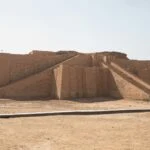
Why visit: These three Sumerian cities in the south form part of the Ahwar of Southern Iraq UNESCO property. Main attractions: the ziggurat landscape and early city remains in the desert. Time needed: a day for the group, starting from Nasiriyah or Basra. Best for: travellers interested in the origins of cities and writing. Access: remote sites that need planning and local arrangements.
Hatra
Why visit: A fortified desert city, listed by UNESCO in 1985, whose high walls and towers resisted Roman invasions. Time needed: half a day. Best for: architecture and ancient history fans. Access: the site is on the UNESCO List of World Heritage in Danger and lies in Nineveh Province, a region the advisories treat with extra caution.
Ashur and Samarra
Why visit: Ashur (Qal’at Sherqat) was an early Assyrian capital, and Samarra Archaeological City is famous for its spiral minaret. Time needed: half a day each. Best for: specialist heritage travellers. Access: both are on the UNESCO danger list, so check access carefully and travel only with reliable local support.
Major Cities
Baghdad
Why visit: The Abbasid capital founded in 762 and still the country’s largest city. Main attractions: museums, the Tigris riverfront, historic markets and tea houses. Time needed: two to three days. Best for: culture and history. Access: advisories flag Baghdad for serious security risks, so take professional advice first.
Erbil
Why visit: The Erbil Citadel, inscribed by UNESCO in 2014, sits on a large mound at the centre of the city and has been inhabited for thousands of years. Time needed: one to two days. Best for: first-time visitors, markets and food. Access: the Kurdistan Region is covered by FCDO advice against all but essential travel in some areas, so check the current map.
Basra
Why visit: The main port and economic hub on the Shatt al-Arab, near the Gulf. Time needed: one day. Best for: travellers combining the south’s ancient sites and marshes.
Nature and Outdoor
The Ahwar (Southern Marshes)
Why visit: A mixed UNESCO property of wetlands and ancient cities, recognised as a refuge of biodiversity. Time needed: one to two days with a local guide. Best for: birdwatchers and cultural travellers. Access: boat trips depend on local conditions and water levels.
Northern Mountains
Why visit: The Zagros mountains in the north-east rise to Cheekha Dar at about 3,611 metres. Best for: hikers in principle, though the advisories warn against travel near some northern borders, so we do not recommend independent trekking.
Official Links
- UNESCO World Heritage listing for Babylon
- US Department of State advisory for Iraq
- UK FCDO travel advice for Iraq
Best Places FAQs
How many UNESCO sites does Iraq have?
Iraq has six World Heritage properties: Hatra, Ashur, Samarra, Erbil Citadel, the Ahwar of Southern Iraq and Babylon. Five are cultural and the Ahwar is a mixed cultural and natural property. Several are on the danger list.
What is the best place for a first visit?
Many visitors start with Erbil because of its citadel and city life, but conditions vary. Check the current official advisories for the exact area and travel date before choosing any destination in Iraq.
Can I visit Babylon?
Babylon is a UNESCO site in Babylon Governorate, and conservation work is reported. Opening arrangements change, so confirm with a licensed local operator and the current advisories before you plan a visit.
Which places are least accessible?
Hatra, Ashur and Samarra are on the UNESCO danger list and sit in regions covered by tougher advisories. Treat them as specialist trips that need current local advice rather than easy day outings.