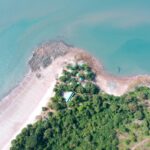
Guinea has two main seasons rather than four, and the best time to go depends on where you travel and what you want to do. This guide explains the dry and rainy seasons, regional differences between the coast and the highlands, and how the seasons affect roads, hiking and waterfalls. Sources give slightly different dates and figures, so treat the months below as a guide.
When Is the Best Time to Visit Guinea?
The dry season, from roughly November or December to April, is usually the most comfortable time to visit. Roads are more passable and skies are clearer. Many guides point to the middle of the dry season, around January and February, though dusty harmattan winds can reduce visibility from late in the year.
Last checked: November 2026
The US Department of State describes the rainy season as typically running from May to October, and the harmattan as a dry, dusty wind from the Sahara affecting the country from November to April. Some travel guides suggest November and December as ideal, after the rains and before the dustiest harmattan period. Both views reflect the same pattern: the best weather falls between the end of the rains and the height of the dust.
The Two Seasons Explained
Dry season (about November to April)
Expect little or no rain, plenty of sunshine and easier travel on unpaved roads. Harmattan dust can make the air hazy and cause breathing problems for some people. Nights in the highlands can be cool, and one travel guide reports lows as cold as 6 degrees Celsius around December and January.
Rainy season (about May to October)
Guinea is one of the wettest countries in West Africa. Rain builds from May and is heaviest in July and August, when it can fall almost daily on the coast. The US Department of State warns that flash floods can make some roads impassable and that heavy rain can cause flooding and landslides. On the positive side, the highlands look greenest and waterfalls such as Kinkon are at their most impressive.
Climate by Region
- Coast (Conakry, Maritime Guinea): hot, humid and very wet in the rainy season. Reported annual rainfall is several thousand millimetres, with figures varying between sources. April is often described as the hottest month, and July and August as the wettest.
- Fouta Djallon highlands: cooler and less rainy than the coast, with a larger gap between day and night temperatures, especially in the dry season.
- Upper Guinea (Kankan area): a drier savanna region where the rainy season is shorter and daytime heat can be intense.
- Forest Guinea (south-east): the wettest area, with a longer rainy season, so plan Mount Nimba trips for the dry months.
Season-by-Season Overview
- December to February: dry, sunny and generally the most comfortable period, with cooler nights inland.
- March to April: still dry, but increasingly hot, especially on the coast and in the north.
- May to June: the rains begin and humidity rises.
- July to August: the wettest months, with the poorest road conditions.
- September to October: rains ease, though unpaved roads may stay muddy.
- November: transition to the dry season, with some rain possible early in the month.
We did not find a single official source with month-by-month rainfall and temperature, so we do not list exact monthly figures. Check a national meteorological service forecast close to your travel dates.
Best Season by Travel Style
- Hiking and general sightseeing: the dry season, when trails and roads are easier.
- Waterfalls: the rainy season, from May to October, if you accept difficult roads.
- Beaches and islands: the dry season for calmer weather.
- Cultural visits: the dry season, with attention to local celebrations.
Holidays and Local Events
Guinea celebrates independence on 2 October. Most Guineans are Muslim, so Ramadan and Eid dates, which move each year with the lunar calendar, affect opening hours, transport and prices. Public demonstrations can also occur around holidays, according to the US Department of State, so stay alert around large events. We could not verify a full official holiday calendar, so check dates before you travel.
Packing Advice
- Light, breathable clothing for the heat, with modest coverage for towns and villages.
- A waterproof jacket and quick-dry layers in the rainy season.
- A warm layer for cool highland nights from December to January.
- A scarf or mask for dusty harmattan days, plus sun protection and insect repellent.
- Your yellow fever certificate and malaria prevention, as covered in our visa guide.
Official Sources
Best Time to Visit Guinea FAQs
What is the rainy season in Guinea?
The US Department of State says the rainy season typically runs from May to October. Rain is heaviest in July and August, and flooding can make some roads impassable, particularly outside Conakry and in remote areas.
What is the harmattan?
The harmattan is a dry, dusty wind from the Sahara that affects Guinea from November to April, according to the US Department of State. It can reduce visibility and cause respiratory problems, so consider a mask if you are sensitive.
Is the rainy season a bad time to visit?
It is harder but not impossible. Roads can be difficult and some trips may not be possible, yet the highlands are green and waterfalls are strongest. Travel with a reliable local driver and allow extra time.
Related Guides
Return to the Guinea destination guide, check the Guinea visa guide, browse the best places to visit in Guinea, build a route with our Guinea itinerary, compare where to stay in Guinea, see flights to Guinea, or read about getting around Guinea.