Guinea receives few visitors, and its best places are mostly natural: highland waterfalls, a UNESCO-listed mountain reserve and quiet islands off the capital. This guide groups the main places by type and explains what to expect, how much time to allow and who each place suits. Facilities are limited, so plan carefully.
What Are the Best Places to Visit in Guinea?
The most often recommended places are the Fouta Djallon highlands, the Voile de la Mariée waterfall near Kindia, the Îles de Los off Conakry and Mount Nimba Strict Nature Reserve. Conakry is the usual starting point, with its museum, mosque and markets.
Last checked: November 2026
We do not rank these places, because we found no official ranking. Time suggestions below are our own planning estimates, not official figures, and travel times between places can vary widely with road and weather conditions.
Major City: Conakry
Conakry is a busy Atlantic port city and the gateway for most trips. Visitors usually see the National Museum, the Grand Mosque and local markets selling crafts and fabrics. Plan a day or two for sights and arrangements. It suits travellers who want a cultural introduction, but the US Department of State notes that crime is most common here, especially in crowded markets.
Beaches and Coast: Îles de Los
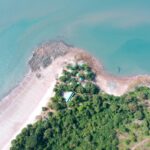
The Îles de Los are a small group of islands a short boat ride southwest of Conakry. The main islands include Roume, Kassa and Tamara. They are known for sandy beaches, fishing villages and some colonial-era ruins. A day trip works for most visitors, and an overnight stay suits those who want a slower pace. Check boat arrangements locally, as we could not verify a scheduled service.
Natural Places and Outdoors
Fouta Djallon highlands
The Fouta Djallon is a cool highland region in central Guinea, with rolling grassland, cliffs, rivers and waterfalls. It is also a cultural centre for the Fula people. Labé is a common base for exploring. Allow several days for hiking and village visits. It suits trekkers and travellers who enjoy rural landscapes. The US Department of State advises caution at high altitude, so people with medical conditions should speak to a doctor first.
Kinkon Falls
Kinkon Falls lies near Pita, between Dalaba and Labé, and is generally described as most impressive during the rainy season from May to October. Half a day is enough for a visit from a nearby base. It suits waterfall lovers and photographers.
Voile de la Mariée (Bride’s Veil)
This waterfall is a short distance from Kindia, a few hours from Conakry. The thin white cascade gives it its name. Plan a half day to a day from Kindia or Conakry. It is one of the more accessible natural sights, and suits visitors with limited time.
Mount Nimba Strict Nature Reserve
Mount Nimba, at about 1,752 metres, is Guinea’s highest point and sits where Guinea, Côte d’Ivoire and Liberia meet. The reserve is a UNESCO World Heritage Site, inscribed in 1981, and is known for rare plants and animals. Access normally needs permission and planning, and the area is far from Conakry, so allow several days including travel. It suits experienced nature travellers. We could not verify current access or closure information, so contact the authorities or a local operator before you go.
Cultural and Historic Interest
Beyond the sights, Guinea’s culture is a draw. Labé and other highland towns offer markets and a chance to see Fula traditions, while drumming and dance performances are central to celebrations. Always ask permission before photographing people or government buildings, because photographing sensitive sites is illegal according to the US Department of State.
Planning Notes for Visitors
- Roads are poorly maintained and can flood in the rainy season, which runs from May to October.
- Avoid travelling at night outside towns because of poor road conditions and roadblocks.
- The US Department of State says no formal tourism infrastructure is in place, so hire a reliable local driver or operator.
- Check current official advice before booking any remote trip.
Official Sources
- US Department of State: Guinea travel information
- UNESCO World Heritage: Mount Nimba Strict Nature Reserve
Best Places in Guinea FAQs
What is the best place to visit in Guinea for nature?
The Fouta Djallon highlands and Mount Nimba Strict Nature Reserve are the most cited nature destinations. The highlands suit hiking and waterfalls, while Nimba suits experienced travellers who can arrange permission and several days of travel.
Are there beaches in Guinea?
Yes. Guinea has an Atlantic coastline of about 320 kilometres, and the Îles de Los off Conakry are known for sandy beaches. Check boat arrangements and safety conditions locally before you travel.
Is Mount Nimba a UNESCO site?
Yes. Mount Nimba Strict Nature Reserve, shared with Côte d’Ivoire, was inscribed as a UNESCO World Heritage Site in 1981. Access usually needs permission, so confirm current rules with the authorities.
Related Guides
Return to the Guinea destination guide, or read our Guinea visa guide for tourists before you plan, check the best time to visit Guinea, build a route with our Guinea itinerary, compare where to stay in Guinea, see flights to Guinea, or read about getting around Guinea.