
Ethiopia holds some of Africa’s most remarkable heritage sites and landscapes, but many of the best-known ones lie in regions covered by serious government travel warnings. This guide lists the main places, what makes each worth knowing, and the current advisory position so you can plan realistically.
Read this first: As of the US advisory of 1 April 2026 and UK FCDO advice updated 30 October 2026, the Amhara and Tigray regions are on the "do not travel" or "advise against all travel" lists. These regions include Lalibela, Gondar, Bahir Dar, the Simien Mountains and Aksum. The Afar region, home to the Danakil Depression, is also covered, as are parts of the south. We describe these places because they are part of Ethiopia’s heritage, not because we recommend visiting them now. Check the US advisory and UK advice before any trip.
Quick Answer: Where Should You Go in Ethiopia?
Addis Ababa is the most accessible starting point, and Harar and Dire Dawa in the east are not named in the advisories we read. Ethiopia’s famous northern sites, including Lalibela and Gondar, currently sit in regions with official warnings. Verify advisories for each area before booking.
Last checked: November 2026
Major Cities
Addis Ababa
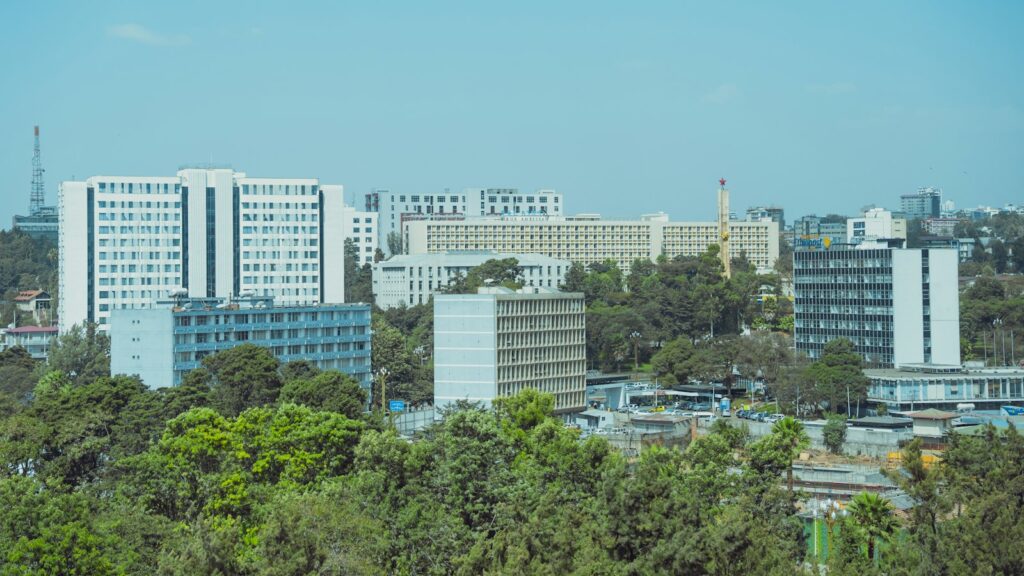
Why visit: Ethiopia’s capital and the base for most trips. Both governments describe its security situation as comparatively stable. Main attractions: the National Museum, Holy Trinity Cathedral, Merkato market, Entoto hill, and lively coffee houses and restaurants. Time needed: two to three days. Best for: first-time visitors, food lovers and history fans. Access: the US advises against walking or driving at night because of crime.
Dire Dawa
Why visit: a historic railway city in the east with a mix of Ethiopian, Somali and Harari influences and old colonial-era quarters. Time needed: one day. Best for: travellers combining Harar with a railway-era city. Access: flight schedules list Ethiopian Airlines service from Addis Ababa; confirm current flights with the airline.
Historic and Cultural Places
Harar Jugol
Why visit: a walled city and UNESCO World Heritage Site, important in Islamic history in the Horn of Africa. Main attractions: the old town’s alleys and gates, Harari houses, markets and shrines, and the evening hyena feeding that has become a visitor tradition. Time needed: one to two days. Best for: culture and photography lovers. Access: Harar is not named in the advisories we read, but routes from the capital cross areas that are; plan transport carefully and confirm road conditions locally.
Lalibela (currently covered by warnings)
Why visit: eleven rock-hewn churches carved in the Zagwe period, a UNESCO site and a major Orthodox pilgrimage centre, especially at Genna and Timkat. Advisory note: located in the Amhara region, where the US advises not to travel and the UK advises against all travel. We do not recommend visiting until official advice changes.
Gondar, Fasil Ghebbi (currently covered by warnings)
Why visit: a seventeenth-century royal enclosure with castles, a UNESCO site known as the "Camelot of Africa". Advisory note: in the Amhara region, under the same warnings.
Aksum (currently covered by warnings)
Why visit: capital of the ancient Aksumite kingdom, famous for its carved stelae, and a UNESCO site. Advisory note: in the Tigray region, where both governments advise against all travel.
Natural Wonders and National Parks
Bale Mountains National Park
Why visit: a UNESCO-listed highland park with the Sanetti Plateau, Afroalpine scenery and endemic wildlife such as the Ethiopian wolf and the mountain nyala. Time needed: two to four days. Best for: hikers and wildlife enthusiasts. Access: the park is not named in the advisories we read, but the UK advises against all but essential travel to the Guji zones nearby, so confirm your route with a local operator.
Simien Mountains National Park (currently covered by warnings)
Why visit: dramatic escarpments, gelada monkeys and Ras Dejen, the country’s highest peak. Advisory note: in the Amhara region, under the "do not travel" warnings.
Danakil Depression (currently covered by warnings)
Why visit: a volcanic, salt-flat landscape far below sea level in the Afar region. Advisory note: Afar is a "do not travel" region for the US and partly covered by FCDO advice against all travel, and the FCDO also notes a volcanic eruption in Afar in November 2025.
Rift Valley lakes
Why visit: lakes such as Langano and Ziway south of Addis Ababa offer birdlife and relaxed resorts. Access: parts of East Shewa and the roads south are covered by UK "all but essential travel" advice, with exceptions for the Addis Ababa–Adama expressway; check current maps.
Southern Cultural Landscapes
The Konso Cultural Landscape, the Gedeo landscape and the Lower Valley of the Omo are UNESCO sites in the south. The US advisory lists the Sidama, South Ethiopia, Central Ethiopia and Southwest Ethiopia regions as "do not travel" and notes very high risk around Gedeo and Konso. The UK advises against all travel to within 10km of the border areas near Kenya and South Sudan. We do not recommend visiting these areas under current official advice.
Food and Coffee Destinations
Addis Ababa is the easiest place to sample the full range of Ethiopian cuisine, from traditional restaurants serving kitfo and injera to coffee houses roasting beans in front of customers. Harar has its own coffee tradition. Coffee-growing regions in the south and southwest are covered by travel warnings.
Frequently Asked Questions
Is Lalibela safe to visit now?
Lalibela is in the Amhara region, which both the US and UK governments list under their strongest warnings. We cannot recommend it, so please read the latest official advice before considering any trip.
What are the safest places to start in Ethiopia?
Addis Ababa is described as stable by both governments. Harar and Dire Dawa are not named in the advisories we read, but you should verify routes and conditions before travelling.
How many UNESCO sites does Ethiopia have?
UNESCO lists 12 World Heritage properties in Ethiopia, including Lalibela, Simien, Aksum, Fasil Ghebbi, Harar Jugol, Konso, the Bale Mountains and Melka Kunture and Balchit.
See the UNESCO page for Ethiopia for the official list of properties.