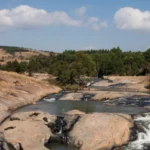
Eswatini has a mild climate, but the weather changes with altitude and the season. This guide explains when to go, what each month feels like, and which festivals to plan around.
When Is the Best Time to Visit Eswatini?
For wildlife and hiking, the dry winter from roughly May to September is usually the most comfortable time. Summer, from about October to March, is hotter and wetter but green. The best period differs between the cool west and the hot eastern lowlands.
Last checked: November 2026
How the Climate Differs by Region
Eswatini is divided into regions that run from west to east, and the weather changes with them. The western Highveld is cooler and receives the most rain. The eastern Lowveld is lower, hotter and drier, with summer heat that can approach 40°C. Wikipedia, using World Meteorological Organization data, reports a Mbabane average high of about 25°C in January and February, and a Big Bend average high of about 32°C in January. Treat these as rough guides.
Winter nights can be cold. One climate guide notes that temperatures in the Highveld can fall below freezing between May and August, and the Lowveld is milder but still cool at night. Conditions vary year to year, so check a forecast shortly before you travel. For longer-term data, see the World Bank Climate Knowledge Portal.
Seasons at a Glance
Dry winter (May to September)
Days are sunny and pleasant, and nights are cold, especially in the west. Wildlife tends to gather around the limited water sources, and one guide names May and September as the best months at Hlane. Bring warm layers for early game drives and evenings.
Spring (September to November)
Temperatures rise, and the first rains usually arrive towards the end of the period. It is a good time for hiking and for birdwatching as the landscape turns green. Rainfall records show that October and November can be normal to above normal in some years.
Wet summer (December to March)
Expect heat, humidity and afternoon storms, particularly in the Highveld. Most of the heaviest rain in recent reports fell in December. The landscape is lush and the birdlife is active, but roads can be slippery and the Lowveld can feel very hot.
Autumn (April to May)
The weather cools and the rains retreat. It can be a quieter time for travel, with comfortable days and fewer crowds. Check forecasts for the mountains, which can turn cooler quickly.
Month-by-Month Notes
- January and February: hot and humid, with summer storms. Lowveld heat is intense.
- March and April: rains ease, days stay warm and the countryside is green.
- May and June: dry and cooler, with cold mornings in the Highveld.
- July and August: the coldest part of the year at night, with clear skies and good wildlife viewing.
- September: warming up. The Umhlanga Reed Dance falls in late August or early September, and Independence Day is on 6 September.
- October and November: warm, with the first rains and fresh greenery.
- December: hot and wet, with Incwala around the end of the year.
Festivals and Public Holidays
The tourism authority names two major events. Umhlanga, the Reed Dance, takes place in the last week of August or the first week of September. Incwala, a three-week kingship ritual, is held in December and January. Exact dates are set each year, so check with your accommodation or the official tourism pages. Independence Day is celebrated on 6 September. We could not verify the complete list of public holidays or school holiday dates, so check the government calendar before booking.
Ramadan is not a major factor in Eswatini because most of the population is Christian, but Muslim visitors may want to confirm prayer facilities and food options in advance.
Peak and Low Seasons
One flight data source describes July as the busiest month for flights from Johannesburg and February as quieter. We could not verify official visitor-arrival figures, so treat this as an indicator only. Expect higher demand around festivals and school holidays, and book lodges in the parks early.
What to Pack
- Warm layers, a fleece and a windproof jacket for winter mornings and evenings
- Light clothing and a hat for the Lowveld in summer
- A rain jacket from October to March
- Sturdy walking shoes for trails
- Sun protection and insect repellent
- Neutral-coloured clothing for game drives
Best Season by Travel Style
Safari travellers usually prefer May to September. Hikers favour the cooler months and the clear spring weeks. Birdwatchers may enjoy the green season, when the landscape is lush. Cultural travellers should plan around Umhlanga or Incwala, subject to local access rules.
Official Sources
- World Bank Climate Knowledge Portal: Eswatini current climate
- Eswatini tourism information on the government portal
Frequently Asked Questions
What is the rainy season in Eswatini?
The main rains fall in the warm months from roughly October to March, with December often wetter in recent reports. The Highveld in the west gets more rain than the Lowveld in the east.
Is Eswatini cold in winter?
Days are usually mild and sunny, but nights can be cold. One climate guide says the Highveld can fall below freezing between May and August, so pack warm layers for mornings and evenings.
When is the Reed Dance?
Umhlanga is held in the last week of August or the first week of September, according to the tourism authority. Exact dates change each year, so confirm them locally before you plan a trip.
When is the best time for a safari?
The dry winter, roughly May to September, is usually best because wildlife gathers near water. One guide singles out May and September at Hlane. Check conditions with the reserve, since weather varies.