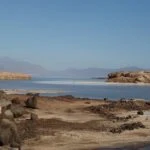
Djibouti is small, but its highlights are spread across salt flats, volcanic desert, mountain forest and a warm, reef-lined gulf. Most excursions outside the capital need a driver, a guide or a boat, so it helps to know what each place offers and how much time it takes.
Quick answer: The most worthwhile places in Djibouti are Djibouti City, Lake Assal, Lake Abbe, Moucha Island, Arta, Day Forest National Park and the northern towns of Tadjoura and Obock. Most excursions outside the capital need a 4×4 with a driver or a boat, and several are better with an overnight stay.
Last checked: November 2026
Major Cities and Towns
Djibouti City
The capital is the base for almost every trip. Highlights include Place Menelik, the central market, the cathedral and Hamoudi Mosque, and the waterfront restaurants serving Red Sea fish. Allow one to two days. It suits first-time visitors and food lovers, and it is the easiest place to arrange drivers and boat trips.
Tadjoura
Tadjoura sits across the Gulf from the capital and is known for old mosques, whitewashed buildings and mangrove-fringed coast. A ferry crossing takes roughly three hours according to travel guides, so plan a full day or an overnight stay. It suits travellers who want a quieter, older side of the country.
Obock
Obock, on the northern shore of the Gulf, was an early French foothold. It lies in a region near the Eritrean border, where the US State Department advises reconsidering travel within 10 miles of the border. Check current advice and local restrictions before planning a visit.
Natural Attractions
Lake Assal
Lake Assal is a crater lake in a volcanic landscape, about 155 metres below sea level and the lowest point in Africa. It is famous for blinding white salt flats against black lava rock and turquoise water. It is roughly 120 kilometres from the capital, so allow a long day with a driver. It suits photographers and geology fans, and it has been put forward for UNESCO World Heritage status.
Lake Abbe
Lake Abbe lies on the Ethiopian border and is known for limestone chimneys that release steam, hot springs and flamingos. The scenery feels otherworldly, especially at sunrise. Access is by 4×4 with a driver and guide, usually through Dikhil and the Grand Bara plain, and an overnight stay is strongly recommended.
Grand Bara and Lac Ghoubbet
The Grand Bara is a vast salt-pan plain surrounded by mountains, and Lac Ghoubbet is a seawater lake ringed by black lava rock and extinct volcanoes. Both are often combined with Lake Assal or the Lake Abbe route. They suit travellers who enjoy empty desert landscapes.
Day Forest National Park
Established in 1939, Day Forest protects the Goda Mountains and is the largest remaining forest in Djibouti. It offers cooler air, hiking and birdwatching, and a rare chance to see greenery. Reaching it needs a 4×4 and a guide, and simple huts are available near Bankoualé, so plan an overnight stay.
Beaches and Coastal Destinations
Moucha and Maskali Islands
These reef-fringed islands lie about 15 kilometres offshore at the entrance to the Gulf of Tadjoura. Boat day trips are arranged by local operators, with snorkelling, beaches and mangroves. They suit families, divers and anyone who wants a break from the heat of the mainland.
Arta
Arta is a cooler hill town and beach area about 42 kilometres from Balbala, reachable by bus or taxi. It makes an easy half-day or day trip, and its coast is associated with whale shark viewing in season.
Whale shark season
Travel guides say whale sharks gather in the Gulf of Tadjoura roughly between October and February. Sightings are never guaranteed, so book with a reputable operator and ask about wildlife-viewing rules and safety equipment.
Cultural and Historic Sites
Beyond Djibouti City, travellers can look for rock engravings at Abourma and burial mounds near Randa, though access usually requires a guide and local knowledge. We could not verify opening hours or fees for these sites, so ask your tour operator before you commit.
Food Destinations
For food, Djibouti City is the main destination, with seafood grills, Yemeni-style fish, Somali dishes and French-influenced cafes. Smaller towns offer simple meals of rice, flatbread and tea. Our Djibouti overview lists signature dishes to try.
Outdoor Experiences and Time Needed
- Djibouti City: 1 to 2 days
- Lake Assal: a full day from the capital
- Lake Abbe: 1 overnight, often with a night at a camp
- Day Forest: 1 overnight
- Moucha and Maskali: a boat day trip
- Arta: a half to full day
- Tadjoura: a full day or overnight
Keep a spare day in your plan for heat, wind and delays. These timings come from travel guides and operators, not from an official tourism board, so confirm them before booking.
Official Safety and Planning Links
Frequently Asked Questions
What is the most famous place in Djibouti?
Lake Assal is probably the best known. It is about 155 metres below sea level, the lowest point in Africa, with dazzling salt flats and turquoise water. It is roughly 120 kilometres from the capital, so most people visit on a long day trip.
Can I visit Lake Abbe in one day?
It is possible but tiring. Travel guides recommend an overnight stay so you can see the chimneys at sunrise and avoid a long drive back in the dark. Go with a 4×4 and an experienced local driver or guide.
Is Djibouti good for snorkelling?
Yes. Reef-fringed islands such as Moucha and Maskali are popular with snorkellers and divers, and whale sharks visit the Gulf of Tadjoura in season. Book with a licensed operator and check weather and sea conditions on the day.
Are there areas I should avoid?
Yes. The US advises reconsidering travel within 10 miles of the Eritrean border in the Tadjoura and Obock regions, and the UK advises against all travel to the Djibouti-Eritrea border. Check both advisories before you finalise any northern plans.