The best places to visit in Colombia include Cartagena for colonial history, Bogotá and Medellín for city life, the coffee region for landscapes, the Caribbean coast for beaches, and San Agustín for archaeology. Choose by interest and region, because mountain roads make travel between them slower than distances suggest.
Last checked: November 2026
This guide groups places by type and does not rank them. Conditions can change quickly, so read the safety notes at the end and check each place before you go.
Historic Places
Cartagena Walled City
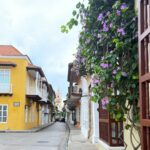
Why visit: Cartagena’s old town and fortresses on the Caribbean coast form a UNESCO World Heritage site. Main attractions: the city walls, the San Felipe de Barajas fortress, colourful colonial streets and squares. Time needed: two to three days. Best for: history lovers, couples and first-time visitors who want walkable streets. The days are hot and humid, so plan walks for morning and evening.
Bogotá La Candelaria
Why visit: the historic centre of the capital has colonial lanes, museums and plazas. Main attractions: Plaza de Bolívar, the Gold Museum (Museo del Oro) and street art. Time needed: one to two days. Best for: culture and museum visitors. Confirm opening days for museums before you go, since many close on Mondays.
Popayán and Mompox
Why visit: Popayán is known for its white colonial buildings and Holy Week processions, and Mompox is a quiet river town of historic churches. Time needed: one to two days each. Best for: travellers who enjoy slow, small-town history. Access: Mompox takes long road and river connections, and Popayán lies in Cauca department, where official advisories apply to parts of the region (see the safety section).
San Agustín Archaeological Park
Why visit: it holds a large group of pre-Columbian stone statues and tombs and is a UNESCO World Heritage site. Time needed: two days with a guide. Best for: archaeology and countryside walkers. Check access and road conditions with local operators before you travel.
Major Cities
- Bogotá: the capital, set at about 2,600 metres, with museums, restaurants and nightlife. Allow two to three days, and expect cool evenings and altitude effects on arrival.
- Medellín: a mild-climate Andean city known for its metro, cable cars, parks and the Feria de las Flores in August. Allow two to four days.
- Cali: the salsa capital, best for music, dance lessons and local food. Allow two days.
- Barranquilla: a Caribbean port city known for its Carnaval, which takes place before Lent. Visit during the festival only if you book early.
Natural Attractions and Coffee Country
Coffee Cultural Landscape
Why visit: coffee farms, towns and green hills in the Andes form a UNESCO World Heritage site. Main attractions: coffee farm tours, the Valle de Cocora near Salento with its tall wax palms, and walking trails. Time needed: three to four days. Best for: hikers and food-focused travellers. Western Colombia, including Pereira, Armenia, Manizales and Cali, was affected by the magnitude 7.4 earthquake of 10 August 2026, so check road and airport conditions and the status of your accommodation before you plan this region.
Remote Parks and Reserves
Parks such as Caño Cristales and the Lost City trek (Ciudad Perdida) are reached through licensed tour operators, and access can be limited or closed by season, safety or authority orders. Tayrona National Natural Park near Santa Marta was ordered closed in 2026 over safety concerns, according to UK government travel advice, and we have not confirmed its current status. Check the National Natural Parks of Colombia website for current access and booking rules.
Beaches and Coastal Destinations
- Santa Marta and the Caribbean coast: beach towns with mountain views, with access to national parks subject to closures
- Rosario Islands: day trips by boat from Cartagena for swimming and snorkelling. Pick licensed operators and check sea conditions
- San Andrés and Providencia: Caribbean islands off Nicaragua, reached by air, known for clear water and a distinct island culture
- Pacific coast: remote rainforest shoreline with limited infrastructure. Official advisories apply to parts of the Pacific region, so research carefully
Food and Cultural Stops
Food lovers can eat their way through regions: bandeja paisa in the Medellín area, ajiaco in Bogotá, and coconut rice and seafood on the Caribbean coast. Medellín, Cali and Cartagena have strong restaurant scenes, and local markets are good for fruit, juices and street snacks. Read more about regional dishes in our Colombia travel guide.
How to Choose Where to Go
- Choose Cartagena and the coast for beaches and history, with hot weather.
- Choose Bogotá and Medellín for city culture, food and a mild or cool climate.
- Choose the coffee region for hiking and farm stays, after checking post-earthquake conditions.
- Choose San Agustín for archaeology and a quieter trip.
Safety and Access Notes
The most recent US State Department advisory we could confirm rates Colombia Level 3 (Reconsider Travel), and the UK FCDO advises against all but essential travel to several regions. Areas named by one or both governments include border zones and parts of departments such as Norte de Santander, Arauca and Cauca. Read the current US travel advisory and UK FCDO travel advice and avoid warned areas. Plan your route using our Colombia itineraries and our guide to getting around Colombia.
You can browse protected sites on the UNESCO World Heritage page for Colombia.
Best Places in Colombia FAQs
What is the best place to visit in Colombia for a first trip?
Most first trips combine Bogotá, Medellín and Cartagena, which give you a capital, a mild-climate city and a Caribbean historic port. Add the coffee region if conditions allow. Your priorities decide the best mix, so there is no single official best place.
How many days do I need in Cartagena?
Two to three days covers the walled city, the fortress and a boat trip or beach stop. Allow more if you want island time or a slower pace in the heat. Book in advance around holidays and festivals.
Can I visit the coffee region now?
It depends on current conditions. The 10 August 2026 earthquake affected western Colombia, including coffee-region cities. Check official updates, your airline and your hotel before you go, and keep plans flexible.
Are Colombian national parks open year-round?
Not always. Some parks close for ecological, safety or maintenance reasons, and others need licensed guides. Check the National Natural Parks website and your tour operator before you book transport or lodging.