
Last checked: November 2026
The best places to visit in China include Beijing for imperial history and the Great Wall, Xi’an for the Terracotta Army, Shanghai for modern city life, Chengdu for food and pandas, and Guilin and Yangshuo for river and karst scenery. Most first-time visitors combine two or three of these, because distances are large.
China is too big to see in one trip, so it helps to choose by interest and then build a route. The places below are grouped by theme, with notes on why to go, how long to allow and who each suits. Time estimates are our own planning suggestions rather than official figures. Check opening rules, ticket booking and closures with official sites before you go, and read our China itineraries to see how the places fit together.
Historic places
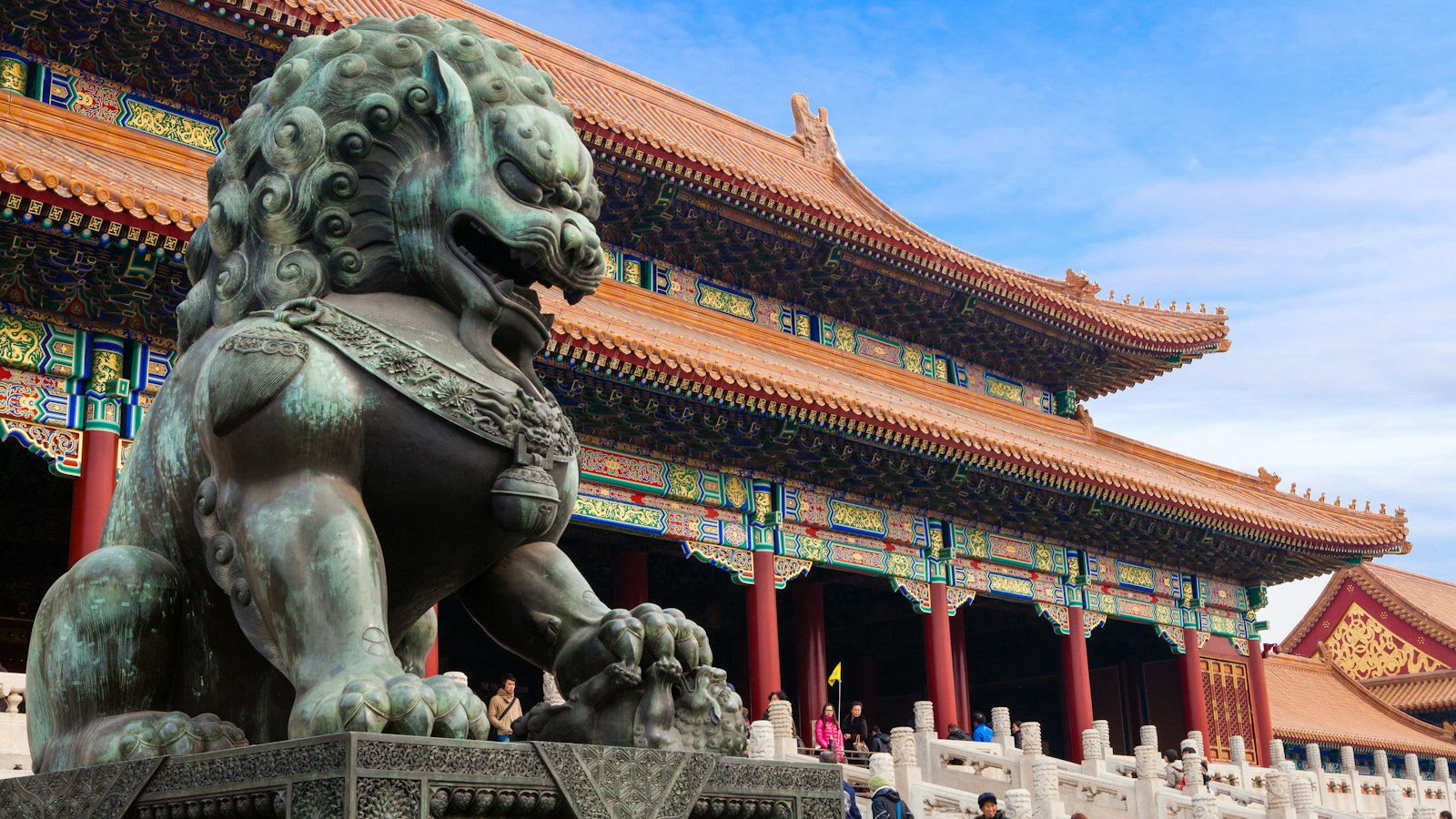
Beijing: Forbidden City, Temple of Heaven and the Great Wall
Why visit: Beijing has been an imperial capital for centuries, and its palaces, temples and walls are among the best preserved in the country. Main attractions: the Forbidden City, the Temple of Heaven, Tiananmen Square, the hutong lanes and several Great Wall sections within reach of the city. Time needed: three to four days. Best for: first-time visitors and history lovers. Some major sites ask for advance booking with your passport, so check the official ticket pages before you arrive.
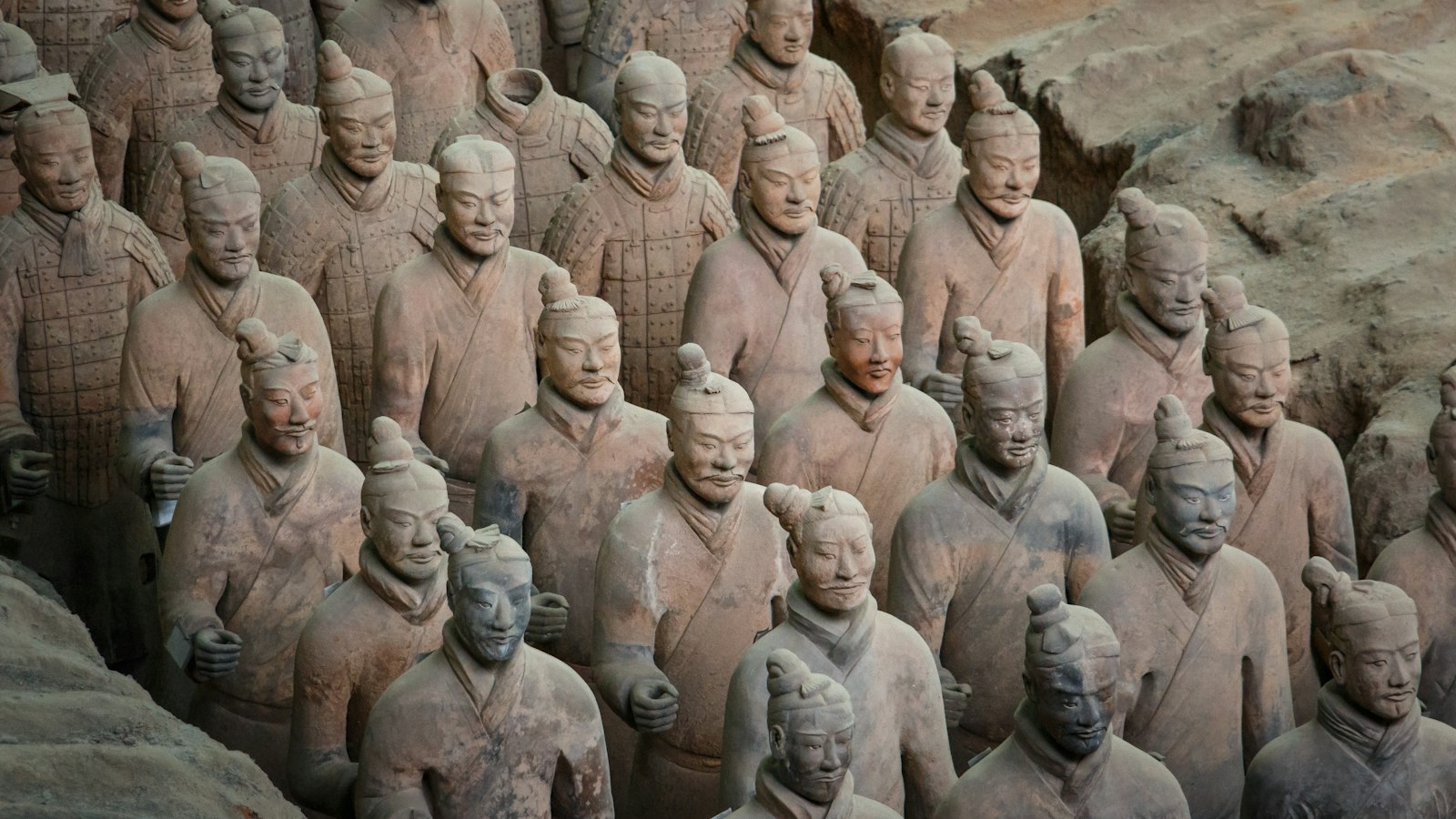
Xi’an: Terracotta Army and city walls
Why visit: Xi’an was the Tang dynasty capital Chang’an and the eastern end of the Silk Road. Main attractions: the Terracotta Army of Qin Shi Huang, the ancient city wall, the Muslim Quarter and the Great Mosque. Time needed: two days. Best for: history and food lovers.
Suzhou and Hangzhou
Why visit: Suzhou’s classical gardens and Hangzhou’s West Lake are UNESCO World Heritage Sites and showcase the refined landscape tradition of the Jiangnan region. Time needed: one to two days each. Best for: slow travellers, photographers and garden lovers.
Major cities
Shanghai
Why visit: Shanghai combines a colonial-era waterfront with a futuristic skyline. Main attractions: the Bund, the Pudong skyline, Yu Garden, the former French Concession and food streets. Time needed: two to three days. Best for: city, architecture and shopping fans.

Guangzhou and Shenzhen
Why visit: Guangzhou is the heart of Cantonese food and culture, while Shenzhen is a modern technology hub. Time needed: two days each. Best for: food lovers and business travellers.
Chengdu and Chongqing
Why visit: Sichuan’s capital is known for its relaxed tea-house culture, spicy cuisine and giant pandas, while Chongqing is a dramatic hilly river city famous for hot pot. Time needed: three days for Chengdu, two for Chongqing. Best for: food lovers and families interested in wildlife.
Natural attractions
Guilin and Yangshuo
Why visit: Limestone peaks rise from the Li River and rice fields, making this one of China’s most photographed landscapes. Main attractions: river cruises, cycling, rural villages and viewpoints. Time needed: two to three days. Best for: outdoor travellers and couples.
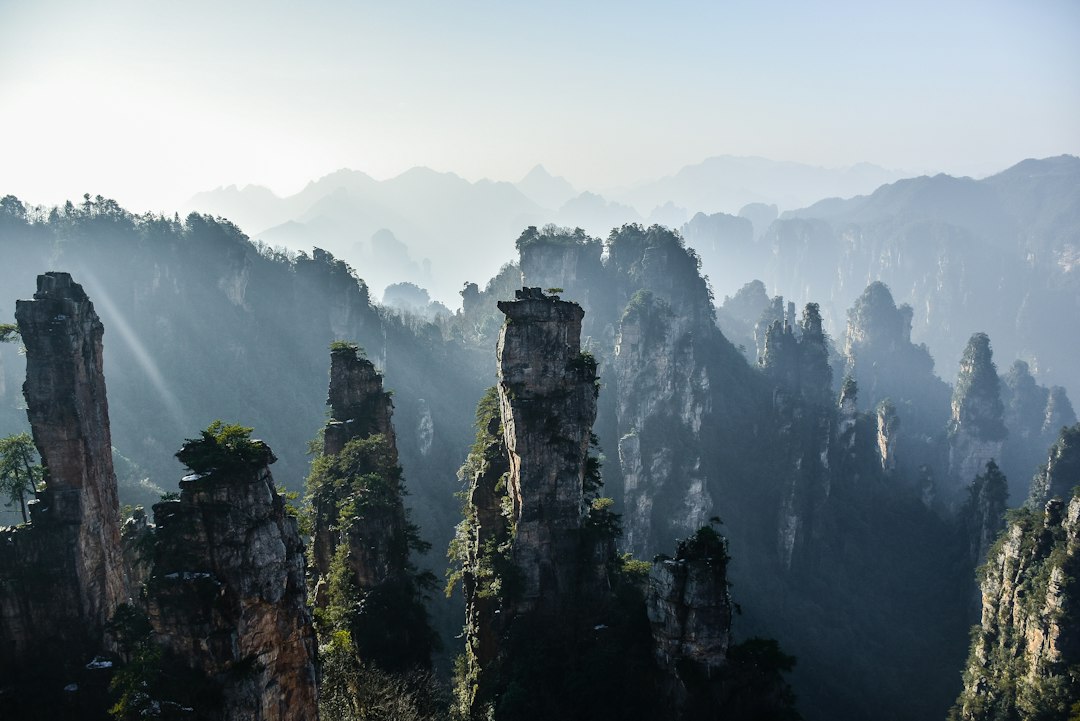
Zhangjiajie
Why visit: Tall sandstone pillars and forested valleys make this one of the most striking landscapes in the country. Time needed: two days. Best for: hikers and photographers. Weather can be misty, so allow a spare day if possible.
Huangshan (Yellow Mountains)
Why visit: Granite peaks, pines and sea-of-cloud views draw hikers year-round. Time needed: one to two days. Best for: active travellers who like early starts.

Beaches and coastal destinations
Hainan island, especially Sanya in the south, is China’s best-known tropical beach destination. The island has a separate visa-free policy for eligible nationalities, described in our China visa guide. Allow three to five days for a beach stay. Typhoon season on the southern and eastern coasts normally runs from May to November, so check the forecast before booking.
Cultural and food destinations
Yunnan: Lijiang and Dali
The old town of Lijiang is a UNESCO World Heritage Site, and Dali sits beside Erhai Lake. Yunnan is home to many ethnic minority cultures and has a milder climate than much of the country. Allow four to six days.

Best cities for food
Chengdu, Guangzhou, Xi’an and Shanghai are all strong food stops. See our China travel guide for the dishes to look for in each region.
National parks and outdoor experiences
Beyond Zhangjiajie and Huangshan, China has many protected landscapes, including panda reserves in Sichuan and high-altitude areas in Yunnan and Qinghai. Remote regions can have limited emergency services, and extra security checks and permits apply in Tibet, so check official advice before planning adventure trips. See our best time to visit China guide before choosing a season.
Planning tips
- Choose two or three bases rather than trying to cover everything.
- Book accommodation near sights using our China hotel guide.
- Use our getting around China guide to plan moves between cities.
- Read the UNESCO list for China to see which heritage sites interest you: UNESCO World Heritage in China.
- Browse official tourism information at Travel China.
Frequently Asked Questions
What are the top places to visit in China for first-timers?
Most first trips include Beijing for the Forbidden City and Great Wall, Xi’an for the Terracotta Army and Shanghai for modern city life. Many add Chengdu or Guilin for food, pandas or scenery, depending on the time available.
How many days do I need in China?
Ten to fourteen days works well for three or four stops. A week is enough for Beijing and one more city. Because distances are large, fewer bases usually give a better trip.
Is it worth visiting smaller cities?
Yes, if you have time. Places like Suzhou, Hangzhou, Pingyao and Dali offer a calmer pace and a different side of the country. Check transport links first so you do not lose a day travelling.
Do I need a permit for any places?
Tibet requires a special permit in addition to a Chinese visa, according to the US State Department. Some other restricted areas may need approvals. Check your visa and official advice before planning remote travel.