Last checked: November 2026.
The best places to visit in Australia depend on what you want. Sydney and Melbourne suit first-timers who want cities and food. The Great Barrier Reef, Uluru and Tasmania suit nature lovers. Because distances are huge, pick two or three places and allow time to travel between them.
What Are the Best Places to Visit in Australia?
Use this quick guide to compare the headline places before you read the details.
| Place | Best for | Suggested time |
|---|---|---|
| Sydney | Harbour, beaches, culture | 3 to 4 days |
| Melbourne | Food, coffee, arts, sport | 3 to 4 days |
| Great Barrier Reef | Snorkelling and diving | 3 to 4 days |
| Uluru and the Red Centre | Desert landscapes, Aboriginal culture | 2 to 3 days |
| Tasmania | Wilderness, food, short walks | 4 to 5 days |
| Kakadu | Wetlands, rock art, waterfalls | 2 to 3 days |
Which Places Are Best for History and Culture?
Sydney
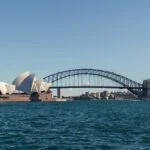
The Sydney Opera House was inscribed by UNESCO in 2007. Walk around Circular Quay and The Rocks, then take a ferry across the harbour to see the building from the water. The Blue Mountains, inscribed in 2000, make a good day trip. By train, expect around two hours each way to the main town of Katoomba.
Melbourne
The Royal Exhibition Building and Carlton Gardens are on the UNESCO list (2004). Melbourne’s laneways, galleries and sports grounds show the city’s modern side. Spend a half day on foot in the centre and another in Fitzroy or Brunswick.
Hobart and Port Arthur
Tasmania’s convict history is part of the Australian Convict Sites, inscribed by UNESCO in 2010. Port Arthur is a short drive from Hobart. Check the official site for tickets and times before you go.
Aboriginal culture
Aboriginal and Torres Strait Islander peoples have deep ties to the land. At Uluru-Kata Tjuta (UNESCO, 1987) and Kakadu, choose tours led by Aboriginal guides and follow site rules, including areas where photos aren’t allowed.
Which Places Are Best for Nature?
Great Barrier Reef
UNESCO inscribed the reef in 1981. Most visitors base themselves in Cairns or Port Douglas, which are about an hour apart by road. Day boats go out to the outer reef. Choose a licensed operator and check weather and stinger advice for the month you travel.
Uluru and Kata Tjuta
Uluru is a long way from anywhere. Fly into Ayers Rock Airport or drive from Alice Springs, which takes about five hours. Park entry requires a pass, so confirm the current rules on the Parks Australia site. Summer is very hot, so start walks early.
Tasmania
Cradle Mountain, Freycinet and the Tasman Peninsula give you mountain and coastal scenery in a small area. The Tasmanian Wilderness has been on the UNESCO list since 1982. Hobart is the easiest base, about an hour’s flight from Melbourne.
Kakadu National Park
Kakadu sits in the Northern Territory’s Top End. It has rock art, wetlands and waterfalls. Access to some areas changes with the wet season, so check park alerts before you drive.
Great Ocean Road
This coastal drive in Victoria runs past beaches and cliffs to the Twelve Apostles. From Melbourne, plan a long day or, better, an overnight stop. The drive to the Twelve Apostles takes roughly four hours without stops.
Which Places Are Best for Beaches?
- Bondi and the coast around Sydney: easy by public transport, with coastal walks between beaches.
- Gold Coast and Byron Bay: surf, long beaches and a relaxed pace in the warmer months.
- Whitsundays (Queensland): island hopping and sailing trips.
- Perth and the Margaret River region: sunsets over the Indian Ocean, plus wine and surf spots.
Always swim between the red and yellow flags and obey lifeguard advice. Rips and marine stingers are real risks in some areas.
Which Places Are Best for Food and City Breaks?
- Melbourne: cafes, bakeries and restaurants from many cuisines.
- Sydney: harbour dining, seafood and diverse suburbs.
- Adelaide: a smaller city close to wine regions such as the Barossa Valley and McLaren Vale.
- Perth and Fremantle: relaxed cafes, markets and seafood.
Choose X If You Want…
- Choose Sydney if you have 3 days and want iconic views.
- Choose Melbourne if you care more about food and culture than beaches.
- Choose Cairns if the reef is your top priority.
- Choose Tasmania if you like walking and quiet scenery.
- Choose the Red Centre if you want a remote desert experience and can handle heat or cold nights.
Common Mistakes When Choosing Places
- Trying to fit Sydney, Uluru, the reef and Perth into one week.
- Underestimating drive times between towns.
- Booking the Red Centre in peak summer heat.
- Ignoring the wet season in the north.
Quick Planning Checklist
- Pick no more than three regions for a 10-day trip.
- Check flight times, not just map distance.
- Book popular tours and park passes early.
- Check local conditions on official park and weather pages, such as the Bureau of Meteorology.
For official inspiration, see Tourism Australia and the UNESCO list for Australia.
Best Places in Australia FAQs
What is the best place to visit in Australia for a first trip?
Sydney is the easiest first stop because of its harbour, beaches and transport. Add Melbourne for food and culture, or fly to Cairns if you want the Great Barrier Reef.
How many days do you need for the Great Barrier Reef?
Three to four days is a good starting point. That leaves time for one or two reef trips, with a spare day in case weather changes plans.
Can you see Uluru in one day?
You can, but it’s rushed. Two to three days lets you see sunrise and sunset views, walks and cultural activities without hurrying in the heat.
Is Tasmania worth the extra trip?
Yes, if you like nature and slower travel. It’s about an hour’s flight from Melbourne and works best with four or five days.
To turn this shortlist into a route, use our Australia itineraries. Domestic flights, trains and car rental are covered in the guide to getting around Australia, and where to stay in Australia compares areas in each city.