This guide groups Lebanon’s best-known places by type so you can see what the country offers. It is a reference, not a recommendation to travel while official advisories are in force. We have not verified current access or closures for the sites below, so confirm the situation locally and with your government before relying on any of them.
Quick Answer: What Are the Best Places in Lebanon?
Lebanon’s headline sights are the Roman temples of Baalbek, the old harbour town of Byblos, Beirut’s seafront and museums, the Qadisha Valley and Cedars of God, and the Jeita Grotto. Which ones suit you depends on whether you prefer history, mountains, coast or food.
Last checked: November 2026
Historic Sites
Baalbek
Why visit: Baalbek in the Beqaa Valley holds some of the largest Roman temple remains in the region, including the Temple of Jupiter and the well-preserved Temple of Bacchus. It is a UNESCO World Heritage Site.
Time needed: half a day to a full day including the journey.
Best for: history and architecture lovers.
Access: not verified. The Beqaa has been affected by regional tensions, so check current conditions first.
Byblos (Jbeil)
Why visit: Byblos is a small harbour town with a Crusader castle, Phoenician and Roman remains, a fishing port and a lively old souk. It is also a UNESCO site and a popular first stop outside Beirut.
Time needed: half a day.
Best for: couples, short trips and anyone who likes walkable old towns.
Anjar
Why visit: Anjar is an eighth-century Umayyad city with arcaded streets and palace remains, set in a quiet part of the Beqaa. UNESCO lists it as a World Heritage Site.
Time needed: one to two hours, often combined with Baalbek or a wine visit.
Best for: history lovers who prefer smaller sites.
Tyre and Beiteddine
Tyre, in the south, is a UNESCO site with Roman ruins and a large hippodrome. It lies in an area that advisories treat with particular caution, so verify access before considering it. Beiteddine Palace in the Chouf Mountains is a nineteenth-century palace known for its courtyards and mosaics, and it makes a good half-day visit for architecture fans.
Natural Highlights
Qadisha Valley and the Cedars of God
Why visit: The deep Qadisha Valley, known as the Holy Valley, shelters old monasteries and hermitages, while a nearby grove preserves ancient cedar trees. Together they form a UNESCO World Heritage Site.
Time needed: a full day or an overnight stay.
Best for: hikers, photographers and travellers interested in religious heritage. Mountain roads can be affected by snow in winter.
Jeita Grotto
Jeita is a system of limestone caves with large chambers and rock formations, north of Beirut. Allow two to three hours, and check opening status before you go, since we have not verified hours or closures.
Beaches and Coast
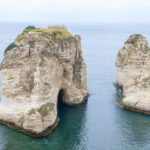
Batroun is a small coastal town with an old centre, seafood restaurants and a fishing harbour that has become a favourite weekend stop for locals. Byblos and the northern coast offer sea views and swimming spots, and Beirut’s Corniche and the Raouche Rocks are popular for sunset walks. Water quality and beach access vary, and many beach clubs charge entry, so ask locally before planning a swim.
Major Cities
- Beirut: the capital mixes the National Museum, seaside promenades, cafes and restaurants, with strong food and nightlife areas such as Gemmayzeh and Mar Mikhael. Allow two or three days.
- Tripoli: Lebanon’s second-largest city has Mamluk-era buildings, old souks and a famous sweets tradition. Allow a day.
- Sidon: a southern port city with a medieval sea castle and a historic souk. Verify access before including the south.
- Zahle: a Beqaa Valley town known for riverside restaurants and the surrounding wine country.
Food and Cultural Destinations
Lebanon’s food culture is a reason to visit in itself. Beirut’s neighbourhood restaurants, Tripoli’s sweet shops and the Beqaa’s vineyards each show a different side of the table. Our Lebanon overview lists the signature dishes to look for.
National Parks and Outdoor Areas
The Shouf Biosphere Reserve protects cedar forests and mountain scenery in the Chouf range, with marked walking routes. Horsh Ehden Nature Reserve, in the north, is known for its forest and plant life. Hiking in Lebanon can involve landmines and unexploded ordnance in some regions, according to the U.S. advisory, so stay on marked trails and avoid border areas.
Official Sources
Best Places FAQs
What is the most famous place in Lebanon?
Baalbek is often named the top historic site because of its huge Roman temples, while Byblos and the Cedars of God are also widely known. Fame varies with interests, and no official ranking exists, so choose by theme rather than by list position.
How many days are needed to see Lebanon’s highlights?
The country is small, but mountain roads and traffic slow travel. Many visitors plan five to seven days for Beirut, Byblos, Baalbek and the mountains. See our itinerary guide for sample routes, and check current advice before planning.
Are Lebanon’s UNESCO sites open?
We could not verify current opening status for individual sites. Conditions can change quickly, so check with the site, local operators and your government’s advice before you travel anywhere in the country.
Which places are best for families?
Byblos, Batroun, Beiteddine and Jeita are commonly suggested for families because they are compact and easy to visit. Confirm accessibility and opening details first, and avoid hiking in areas where unexploded ordnance is a risk.