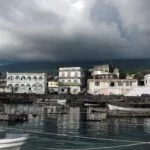
Comoros has two main seasons rather than four: a cooler, drier period and a warmer, humid and rainy one. The best time to go depends on whether you want hiking weather, beach days or whale watching, and conditions also differ between the islands.
Quick answer: Britannica describes a cooler dry season from May to October and a warmer, humid season from November to April. Many visitors will find May to October the more comfortable period, and humpback whales are reported off Mohéli from July to November. Cyclones can occur in the wetter months.
Last checked: November 2026
Seasons at a Glance
Cooler Dry Season: May to October
This is the more comfortable period for hiking and general sightseeing. Weather2travel’s Moroni averages show maximum temperatures of about 24°C in July and August, the minimum falling to about 16°C in August, and rainfall as low as about 70 millimeters in September. Sea temperatures are about 25°C in August.
Warm, Humid Season: November to April
Maximum temperatures at Moroni average about 27°C from November to April, with minimums around 21°C in January and February and sea temperatures of about 29°C from January to April. Rainfall is heaviest in this period, with about 337 millimeters in January and about 107 millimeters in November. Britannica gives higher coastal figures, with a November peak of about 33°C, and says January is the wettest month.
Regional Differences
Britannica says annual rainfall ranges from 1,100 to 2,900 millimeters and is highest on the northeast, windward sides of the islands. Moroni’s figures are a guide for the capital, not for every island or altitude, and higher ground on Mount Karthala will be cooler. We could not find official figures from the national meteorological agency.
Month-by-Month Conditions
- January: the wettest month at Moroni, with a hot sea and a risk of cyclones.
- February: still warm and humid, with a continuing cyclone risk.
- March: warm and wet, with sea temperatures near their warmest.
- April: the end of the humid season, with some cyclone risk. Cyclone Kenneth hit Comoros on 25 and 26 April 2019.
- May: the start of the cooler dry season. The FCDO lists cyclone risk as extending from January to May.
- June: drier and cooler.
- July: among the coolest months, and the start of the reported whale season.
- August: the coolest nights, with Moroni minimums of about 16°C.
- September: the driest sample month, at about 70 millimeters of rain at Moroni.
- October: dry and a good month for whales and hiking.
- November: the start of the warmer, humid season, with whales reported through the month.
- December: warm and increasingly wet, with some sources placing cyclone risk from this month.
Festivals and Public Holidays
Fixed public holidays include 1 January, 1 May and 6 July, the national day. Islamic holidays move each year, and the 2026 dates we found differed by a day or two between sources, so confirm them nearer your trip. They include Ramadan, Eid al-Fitr, Eid al-Adha, Muharram and the Prophet’s birthday.
Weddings and family celebrations, including the Grand Mariage, are often reported in July and August when many Comorians living abroad return, but we only saw headlines for this, so treat it as a general pattern. We could not find school holiday dates. If you travel during Ramadan, expect shorter opening hours and avoid eating or drinking in public in daylight.
Peak and Low Seasons
We could not find official visitor statistics for Comoros. As a practical guide, July to November combines cooler weather with the whale season on Mohéli, while the wettest months from December to March can bring heavy rain and cyclone risk. Flights to Comoros are limited, so book early for any period, and see our flights to Comoros guide.
Best Season by Travel Style
- Hiking Karthala: May to October for cooler, drier conditions, subject to volcano monitoring.
- Whale watching: July to November on Mohéli.
- Beach and swimming: warmer seas from January to April, but this is also the wettest period.
- Culture and food: any time, but plan around Ramadan and holidays.
What to Pack
Bring lightweight, modest clothing that covers shoulders and knees, a rain jacket, sun protection and sturdy shoes for volcanic trails. Pack a warm layer for early starts at altitude and for cooler nights from June to August. Our Comoros destination overview explains local dress etiquette.
Official Weather and Safety Information
Check the latest cyclone and safety information in the FCDO safety and security guidance and the US State Department advisory.
Best Time to Visit FAQs
What is the best month to visit Comoros?
There is no single best month. May to October is cooler and drier, and July to November suits whale watching. If you want hiking or sightseeing with less rain, aim for the middle of that window and confirm conditions before you book.
When is cyclone season in Comoros?
Sources differ. Weather2travel says cyclones are occasional from December to April, and the FCDO lists January to May. Check forecasts before and during your trip and keep flexible travel plans if you visit in the wet season.
When can you see whales in Comoros?
Mongabay reports humpback whales around Mohéli between July and November. Sightings are not guaranteed, so allow several days on the island and confirm that any boat operator carries safety equipment.
Is Ramadan a bad time to visit?
Not necessarily, but daily life changes. Expect shorter hours, avoid public eating, drinking and smoking in daylight, and keep music quiet. Some travelers value the cultural experience, while others prefer a different season.