Last checked: November 2026.
When Is the Best Time to Visit Botswana?
The best time to visit Botswana for most safaris is the dry season, from about May to October. Wildlife gathers around water, vegetation thins out and the Okavango flood fills the Delta. The green season, from about November to April, suits the Makgadikgadi Pans and the Central Kalahari, and it offers lower rates and newborn animals. Your choice depends on where you plan to go.
Botswana’s Seasons at a Glance
| Season | Months | Best for |
|---|---|---|
| Dry season, flood arriving | May to August | Okavango Delta, Chobe |
| Peak dry | September to October | Moremi, Savuti, Linyanti, waterhole viewing |
| Green season | November to April | Makgadikgadi, Central Kalahari, birds, lower rates |
Sources describe the seasons slightly differently, and the start and end of the rains vary by year. Treat the dates as a guide and check with your camp.
Botswana Month by Month
- January and February: the heart of the green season. Rain is most likely in these months, along with December. Zebra feed on the Pans, and the landscape is green.
- March and April: transition months with less rain than mid-summer. Good for birdwatching and for the drier Kalahari parks, though some tracks can be wet. Floodwater starts to reach the Delta from about April.
- May: the start of the dry season, with clear skies and moderate temperatures. It’s a good shoulder-season month before peak rates apply, and elephants begin to return to the Chobe River.
- June: floodwater is spreading through the Delta channels. Days are warm and nights are cool, and peak season starts.
- July and August: the heart of the dry season. Rain is rare, the Delta water is at or near its peak and these are among the most popular months for safaris.
- September: still dry, with temperatures rising. The Delta water begins to fall. Good for Moremi, Savuti, Linyanti and waterholes.
- October: the hottest month, according to some travel guides. Wildlife clusters around remaining water, but the heat can be intense.
- November: the first rains arrive and the green season begins. Zebra start moving toward the Pans from late in the month.
- December: rain increases, and many travelers visit for the holidays. Book early for Christmas and New Year.
Weather by Region
The north, around the Okavango Delta, Chobe and Moremi, has a flood that arrives during the dry season. That means water levels are highest from about June to September, even though rain is rare. The Makgadikgadi Pans and the Central Kalahari are at their best in the green season, from about December to April, when rain brings wildlife and grass. In the dry months they can feel stark and very hot or cold depending on the time of day.
Okavango Delta Flood Timing
The flood comes from rain far upstream in Angola, so it reaches the Delta months after the rain falls there. The water starts to arrive from about April, peaks around July, and recedes from about September to November. The timing varies from year to year. Mokoro trips usually run from about April to October, and they are best from June to September. Ask your camp for current conditions before you book.
Holidays and Events
The Botswana government lists these public holidays for 2026: Sir Seretse Khama Day on 1 July, President’s Day on 20 July with 21 July also a holiday, Botswana Day on 30 September with 1 October also a holiday, and Christmas Day and Boxing Day. Christmas and New Year are busy travel periods across Southern Africa. We didn’t find a reliable official festival calendar, so check the tourism board before you plan around an event. We also found no official source showing that Ramadan changes travel conditions in Botswana.
Best Months by Trip Type
- First safari: June to September for the Delta, Chobe and Moremi.
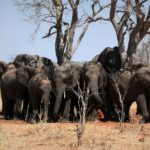
- Elephants at Chobe: May to October, with the largest herds usually in September and October.
- Zebra migration: December to March in the Makgadikgadi Pans.
- Birdwatching: November to March, when migratory birds are present.
- Better value: April, May and November, when rates are lower than the peak.
What to Pack
- Neutral-colored clothing in layers, since mornings can be cool and afternoons hot.
- A warm jacket for early game drives in June to August.
- A hat, sunglasses and sunscreen.
- Insect repellent, and any malaria medication your doctor advises.
- A soft duffel bag, because small aircraft have strict luggage limits.
- Binoculars and a power bank.
Checklist Before You Pick Dates
- Decide which region matters most: the Delta and Chobe, or the Pans and the Kalahari.
- Check the flood and rain conditions with your camp.
- Book camps early for June to October and for the holiday weeks.
- Check the US and UK advisories for weather and health notes.
Best Time to Visit Botswana FAQs
What is the cheapest time to visit Botswana?
The green season, from about November to April, is usually cheaper. Rates are often lower in May and November too. Prices vary by camp, so compare current rates directly.
Does it rain all day in the green season?
Usually not. Rain often comes in short, heavy bursts, with sunshine between. Some roads and tracks can become hard to use, so ask your operator about access.
Is Botswana too hot in October?
It can be. October is often the hottest month. Wildlife viewing is still good around water, but plan game drives for early morning and late afternoon, and drink plenty of water.
When do I see the zebra migration?
Zebra move onto the Makgadikgadi and Nxai pans from late November or December and stay until about February or March, though timing depends on the rains. Ask your camp for the latest movements.
Rain can affect gravel roads and camp access, so read our guide to getting around Botswana before you plan a self-drive. Our where to stay in Botswana guide shows which camps suit each season.